


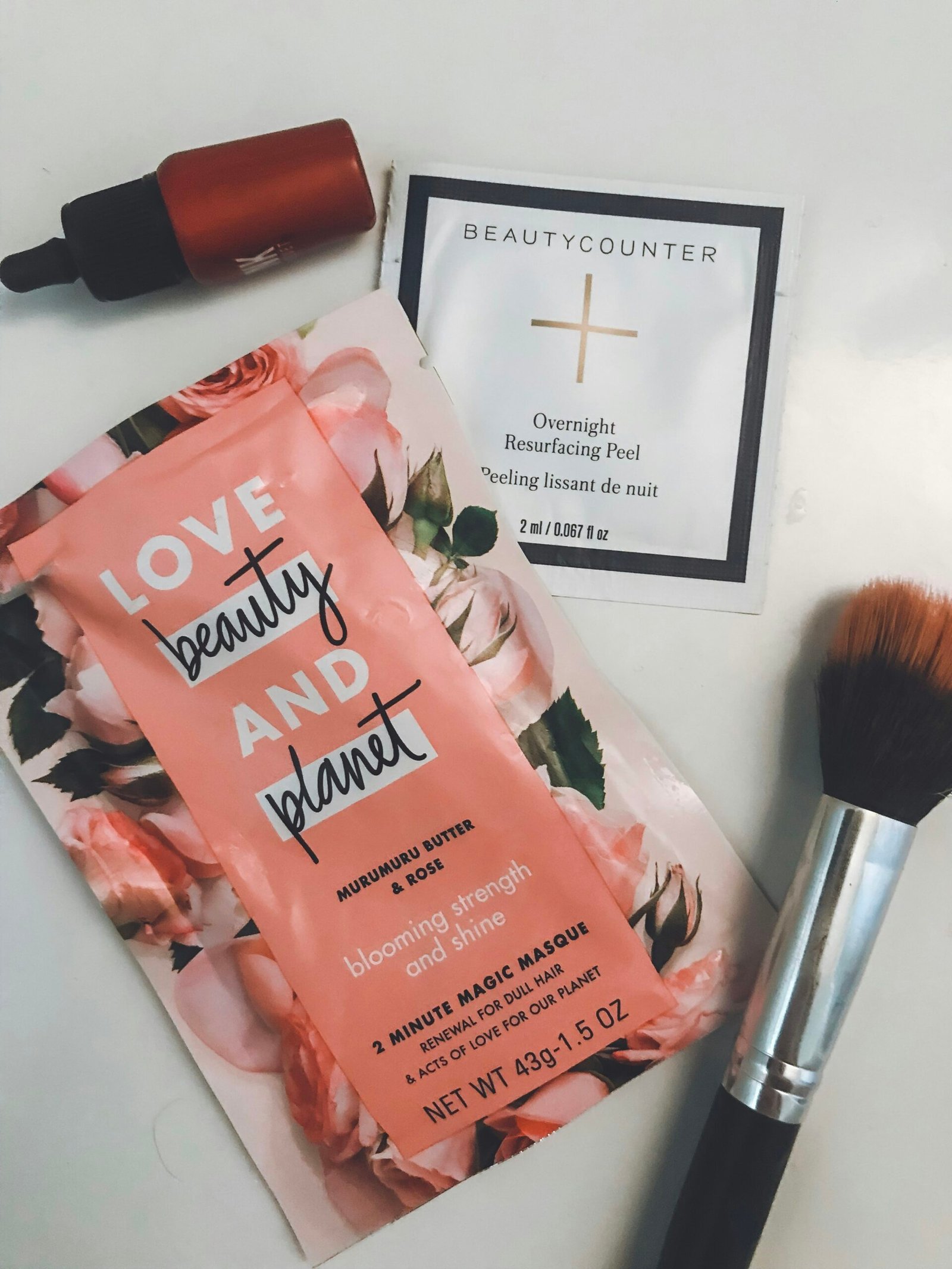
Understanding Your Skin Type
Identifying your skin type is a crucial first step in developing an effective skincare routine. Skin types are generally classified into five categories: oily, dry, combination, sensitive, and normal. Each type presents distinct characteristics that can guide individuals in selecting suitable products.
Oily skin is characterized by excess sebum production, leading to a shiny appearance and enlarged pores. Individuals with oily skin may frequently experience acne breakouts, as the excess oil can trap dirt and bacteria. Recognizing this type is essential for choosing non-comedogenic products that can effectively manage oil without adding further irritants.
Dry skin, on the other hand, often appears dull and may feel tight or rough. This skin type may even develop flaky patches or redness due to the lack of moisture. Using rich, hydrating creams fortified with ingredients like hyaluronic acid is vital for individuals with dry skin to restore moisture balance and improve overall texture.
Combination skin shows characteristics of both oily and dry skin, often presenting an oily t-zone while the cheeks can be dry. This duality can be challenging; thus, products designed for combination skin types typically cater to both oil control and hydration.
Sensitive skin tends to react to environmental factors and specific products, leading to redness, itching, or burning sensations. Those with this skin type should opt for fragrance-free and hypoallergenic products, as gentler formulations are less likely to exacerbate irritations.
Lastly, normal skin is balanced, neither too oily nor too dry, and is generally resilient to different products. However, this doesn’t mean that those with normal skin should neglect their skincare routine; maintaining this balance is essential for preserving its optimal condition.
Understanding your skin type not only allows you to select products that cater to your unique needs but also helps to avoid adverse reactions that could stem from using incompatible formulations. Being aware of the nuances of your skin is the foundation for achieving glowing, healthy skin.
Establishing a Daily Skincare Routine
Developing a daily skincare routine is essential for maintaining glowing, healthy skin. Consistency is key, as it allows the skin to benefit from the routine and see visible improvements over time. A simple regimen can be easily integrated into your daily activities and typically includes three fundamental steps: cleansing, toning, and moisturizing.
The first step, cleansing, is crucial for removing impurities such as dirt, oil, and makeup that accumulate on the skin throughout the day. A gentle cleanser, tailored to your skin type, ensures that the skin is effectively cleansed without stripping it of its natural moisture. For those with oily skin, a foaming cleanser may work best, while cream-based cleansers are often more suitable for dry or sensitive skin types.
Following cleansing, toning serves to restore the skin’s pH balance and tighten pores. Toners can also provide an extra layer of hydration and prepare the skin for moisturizing. It is advisable to choose alcohol-free formulas that contain soothing ingredients like rose water or witch hazel to avoid irritation. Applying toner using a cotton pad can enhance the effectiveness of this step and allow for even distribution.
Lastly, moisturizing is essential to lock in hydration and create a protective barrier on the skin. The choice of moisturizer should depend on individual skin concerns; lightweight gel-based moisturizers are ideal for oily skin, while cream-based products work wonders for dry skin. Applying moisturizer daily after cleansing and toning helps to keep the skin hydrated and supple.
It is recommended to follow this routine both in the morning and evening for optimal results. By adhering to these steps, using suitable products, and allowing time for each to absorb, you can create a reliable skincare routine that promotes long-lasting radiance and health for your skin.
The Role of Exfoliation
Exfoliation is a crucial skincare process that involves the removal of dead skin cells from the outermost layer of the skin. This step is essential for promoting a glowing complexion, as it helps to reveal fresh, healthy skin beneath. By regularly exfoliating, one can enhance the skin’s texture, enhance absorption of other skincare products, and even allow for a more even skin tone. There are two primary types of exfoliants: physical and chemical.
Physical exfoliants rely on manual scrubbing to slough away dead skin. These can include scrubs with granules or brushes designed for the face or body. While they offer immediate results and can leave the skin feeling smooth, there is the potential for over-exfoliation, which may cause irritation or sensitivity, particularly for those with delicate skin.
On the other hand, chemical exfoliants employ acids or enzymes to dissolve dead skin cells without the need for scrubbing. Common examples include alpha hydroxy acids (AHAs) and beta hydroxy acids (BHAs), which provide varied benefits, such as increased cell turnover and reduced appearance of fine lines. However, it’s important to choose the right type of chemical exfoliant, as some can be stronger than others and may cause irritation if not used correctly.
When considering how often to exfoliate, it largely depends on one’s skin type. Those with oily or acne-prone skin may benefit from exfoliating up to three times a week, while individuals with sensitive or dry skin should limit this practice to once a week. The choice between physical and chemical exfoliants can also influence frequency. Popular products include gentle scrubs for physical exfoliation and lotions or serums containing AHAs or BHAs for chemical exfoliation.
By understanding the role of exfoliation and choosing suitable products for one’s skin type, individuals can effectively enhance their skin’s texture, contributing to a more radiant and healthy complexion.
Hydration: The Key to Skin Health
Hydration plays a vital role in maintaining the overall health and appearance of the skin. The human skin, being the body’s largest organ, requires adequate moisture to function properly. A well-hydrated complexion not only looks more vibrant and youthful, but it also serves as a barrier against environmental stressors, bacteria, and pollutants. When the body is sufficiently hydrated, the skin is able to retain its elasticity and suppleness, reducing the appearance of fine lines and wrinkles.
Water consumption significantly influences skin health. A lack of hydration can lead to dryness, dullness, and an increase in conditions such as eczema and psoriasis. Studies suggest that drinking an ample amount of water daily aids the skin in maintaining its natural moisture balance. While individual hydration needs may vary, a general guideline is to hydrate consistently throughout the day, aligning with an optimal intake of around 2-3 liters of water for most adults.
In addition to drinking water, the application of hydrating serums and creams can greatly contribute to achieving healthy skin. Products containing hyaluronic acid, for instance, are particularly beneficial. Hyaluronic acid is a naturally occurring substance that helps retain moisture in the skin, holding up to 1,000 times its weight in water. As a result, using such ingredients in skincare routines can enhance hydration levels, providing a plump and radiant appearance.
Furthermore, lifestyle choices and dietary habits significantly influence hydration. Consuming water-rich foods such as fruits and vegetables can supplement fluid intake, while also delivering essential vitamins and minerals. Avoiding excessive caffeine and alcohol, which can dehydrate the skin, is equally important. By adopting a holistic approach that encompasses water consumption, quality skincare products, and a balanced diet, one can effectively foster a hydrated complexion that promotes glowing, healthy skin.
Sun Protection and Its Impact on Skin
Sun protection plays a pivotal role in maintaining glowing, healthy skin. The sun emits harmful ultraviolet (UV) rays, which are primarily classified into two types: UVA and UVB. UVA rays penetrate deep into the skin, contributing to premature aging and increasing the risk of skin cancer, while UVB rays are known for causing sunburn and also contribute to skin cancer. Continuous exposure to these harmful rays can lead to various skin problems, such as dark spots, wrinkles, and a loss of elasticity. Therefore, it is essential to integrate sunscreen into your daily skincare regimen to shield your skin effectively.
Regardless of the season or weather conditions, UV rays can still affect your skin. Hence, applying a broad-spectrum sunscreen with an SPF of at least 30 is crucial for all skin types. Individuals with oily or acne-prone skin might benefit from oil-free formulations, whereas those with dry skin should opt for moisturizing sunscreens that include hydrating ingredients. Additionally, it is crucial to consider the SPF in relation to activities; if you engage in water sports or intense outdoor activities, water-resistant sunscreen is recommended.
Proper application of sunscreen is vital for achieving maximum protection. It is advisable to apply sunscreen about 15 to 30 minutes before sun exposure to allow for optimal absorption. One should also ensure to cover all exposed areas, including often overlooked spots like ears, neck, and feet. Reapplication every two hours, or more frequently after sweating or swimming, is essential to maintain consistent skin protection. By adhering to these sun protection measures, one can significantly reduce skin damage while enhancing an enduring, healthy glow.
Nourishing Your Skin from Within
Nourishing the skin begins from the inside out, and a balanced diet plays a crucial role in achieving healthy, radiant skin. The skin is the largest organ of the body and mirrors the overall health of the individual. Integrating a variety of vitamins, minerals, and antioxidants into your daily meals can significantly improve skin health.
Foods rich in antioxidants, such as berries, spinach, and kale, can help combat oxidative stress, protecting the skin from damage. Vitamin C, found in citrus fruits and bell peppers, is essential for collagen production, which aids in maintaining skin elasticity and firmness. Incorporating these fruits and vegetables regularly can lead to a noticeable improvement in skin texture and appearance.
Healthy fats, such as those found in avocados, nuts, and olive oil, are also vital for skin nourishment. These fats contribute to maintaining the skin’s lipid barrier, which helps retain moisture and keeps the skin hydrated. Omega-3 fatty acids, found in fatty fish like salmon and walnuts, are particularly effective in reducing inflammation and promoting overall skin health.
Whole grains, such as quinoa, brown rice, and whole wheat bread, provide essential nutrients and can help to regulate blood sugar levels, thereby minimizing the occurrence of acne. It’s also advisable to stay hydrated by drinking plenty of water throughout the day, as proper hydration is crucial for maintaining skin moisture and elasticity.
While a balanced diet is fundamental, some individuals may find that supplements can provide additional support. Vitamins E and D, along with zinc, are commonly recommended for those who may not receive adequate amounts through food alone. Consulting with a healthcare professional can help in determining the right supplements tailored to individual needs.
Lifestyle Factors that Affect Skin Health
Understanding the lifestyle factors that influence skin health is essential for anyone aiming to achieve glowing, healthy skin. Various elements, including sleep quality, stress levels, physical activity, and harmful habits such as smoking, play significant roles in how our skin appears and functions.
Sleep is perhaps the most crucial aspect of skin health. During the night, the body undergoes restorative processes, and skin cells regenerate at a higher rate. Insufficient sleep can lead to increased stress hormones, which may cause skin issues like inflammation and breakouts. To enhance skin vitality, aim for 7 to 9 hours of quality sleep per night. Creating a bedtime routine, such as reducing screen time before bed and maintaining a consistent sleep schedule, can greatly improve sleep quality.
Another vital factor is stress management. Chronic stress can lead to hormonal imbalances and can negatively impact the skin, resulting in conditions such as eczema and acne. Incorporating regular stress-relief techniques, such as mindfulness practices, meditation, or yoga, can help reduce overall stress levels, contributing to healthier skin. Setting aside time for hobbies and activities that bring joy and relaxation can also help in managing daily stressors effectively.
Physical exercise greatly impacts skin health as well. Regular physical activity increases blood circulation, delivering essential nutrients to the skin and promoting a natural glow. Exercise also helps in reducing stress and improving sleep quality. To attain these benefits, incorporate at least 150 minutes of moderate exercise into your weekly routine, which can include activities like walking, cycling, or swimming.
Conversely, smoking poses significant risks to skin health. The harmful chemicals in cigarettes reduce blood flow to the skin, depriving it of essential nutrients and oxygen. This can lead to premature aging, uneven skin tone, and a dull appearance. Quitting smoking is one of the best decisions one can make for enhancing skin vitality and overall health.
Addressing Skin Concerns: Acne, Dryness, and More
Many individuals grapple with various skin concerns, the most common being acne, dryness, and redness. Each of these issues not only affects physical appearance but can also impact self-esteem and confidence. Understanding the root causes of these concerns and implementing effective strategies can lead to significant improvements in skin health.
Acne is often triggered by hormonal fluctuations, excessive oil production, and clogged pores. To combat this common issue, a consistent skincare routine is essential. Incorporating a gentle cleanser containing salicylic acid or benzoyl peroxide can help reduce breakouts. These ingredients work by exfoliating the skin and deep-cleaning pores. Additionally, non-comedogenic moisturizers should be used to avoid exacerbating the condition while keeping the skin hydrated. Regular exfoliation with products containing alpha-hydroxy acids (AHAs) can also aid in removing dead skin cells and preventing future breakouts.
Dryness, on the other hand, can stem from environmental factors, such as cold weather, or underlying skin conditions like eczema. To mitigate dryness, it is crucial to choose a hydrating cleanser that does not strip the skin of its natural oils. Look for moisturizers infused with hyaluronic acid, glycerin, and ceramides, as they effectively attract moisture and provide a barrier against water loss. It is also beneficial to incorporate facial oils into the routine, as they can enhance moisture retention, particularly during colder months.
Redness, often linked to skin sensitivity or conditions like rosacea, typically requires a more delicate approach. Products formulated with soothing ingredients, such as aloe vera, chamomile, or green tea, can be beneficial in calming inflamed skin. Avoiding harsh scrubs and opting for gentle formulations is key to managing sensitivity. Furthermore, for persistent skin concerns, consulting a dermatologist is strongly recommended. Professional guidance can provide tailored treatment plans and address specific issues, ensuring a clearer path to achieving healthy, radiant skin.
Maintaining Healthy Skin in Changing Seasons
The health of our skin is profoundly influenced by the shifting seasons. Each season presents unique challenges and opportunities for maintaining that coveted glowing complexion. As the weather changes, so should our skincare regimen to ensure our skin remains hydrated, protected, and radiant throughout the year.
During the warmer months, increased humidity levels can lead to excess oil production, making it crucial to adjust your skincare routine to prevent breakouts. A lightweight, oil-free moisturizer can help maintain hydration without clogging pores. Incorporating a gel-based cleanser that gently removes dirt and excess oil is also advisable. Additionally, applying a broad-spectrum sunscreen with a high SPF protects the skin from harmful UV rays, which are more potent during summer.
In contrast, cooler months often lead to dryness and flakiness, necessitating a shift toward more nourishing products. Opting for a rich, creamy moisturizer will help lock in moisture and prevent the skin from becoming parched. It’s also beneficial to include a hydrating serum infused with hyaluronic acid, which can attract and retain water in the skin. Moreover, incorporating a gentle exfoliant a couple of times a week can aid in removing dead skin cells, promoting a smoother and more radiant complexion.
Transition seasons, like spring and fall, require a balanced approach. During these times, it is essential to adjust products to accommodate fluctuating humidity levels. A versatile moisturizer that adapts to changing weather conditions can be valuable. Furthermore, as allergies often correlate with these seasons, hypoallergenic and fragrance-free products can minimize irritation, supporting overall skin health.
Ultimately, understanding how seasonal changes affect the skin is key to maintaining healthy skin all year round. By carefully adapting your skincare routine to suit the needs of each season, you can achieve and preserve glowing, healthy skin regardless of environmental factors. An investment in skincare is an investment in your skin’s long-term health.