

Understanding Foundation Types
Choosing the right foundation is a critical step in achieving a flawless complexion. There are various types of foundation available on the market, each with unique characteristics that cater to different skin types and preferences. The most common types include liquid, powder, cream, and stick foundations. Each of these formats has its own set of benefits and drawbacks that influence your application methods and overall appearance.
Liquid foundation is perhaps the most versatile option. It offers buildable coverage and a range of finishes—from matte to dewy—making it suitable for various skin types. For individuals with dry skin, a hydrating liquid foundation infused with moisture-rich ingredients can provide a luminous look without clinging to dry patches. Conversely, those with oily skin may prefer a water-based or oil-free liquid foundation, which helps control shine. However, the potential for transfer is a notable drawback, particularly in humid environments.
Powder foundation is ideal for those seeking quick application and a lightweight feel. Often favored by individuals with oily skin, this type provides excellent oil control and is unlikely to settle into fine lines. However, it may not be the best option for dry or mature skin, as it can exacerbate dry patches or appear cakey. Cream foundations offer more intense coverage and a luxurious, smooth finish, making them suitable for a polished look in special occasions. That said, they may feel heavy and require blending to avoid a mask-like effect.
Finally, stick foundations offer convenience and ease of use, particularly for touch-ups on the go. These foundations typically provide a creamy application that delivers medium to full coverage. However, stick formulas may not blend as seamlessly as their liquid counterparts, which can lead to uneven coverage if not applied correctly. Understanding the different types of foundation and their specific advantages can empower individuals to select the best option tailored to their skin type and lifestyle needs.
Choosing the Right Shade
Selecting the appropriate foundation shade is crucial for achieving a flawless skin complexion. A foundation that matches your skin tone not only enhances your natural beauty but also ensures that your makeup looks seamless and professional. To begin this process, it is important to determine your skin’s undertones, which can be classified as cool, warm, or neutral. Cool undertones often have a pink, red, or blue hue; warm undertones tend to lean towards yellow, peach, or golden hues; and neutral undertones strike a balance between the two, exhibiting characteristics of both.
To identify your undertone, there are several simple methods you can employ. First, observe the color of your veins on the inside of your wrist. If they appear blue or purple, you likely have cool undertones. If they look green, this suggests warm undertones, and if it’s difficult to determine a predominant color, you may have neutral undertones. Another method involves holding different shades of foundation up against your jawline in natural light; the shade that blends seamlessly with your skin is your best match.
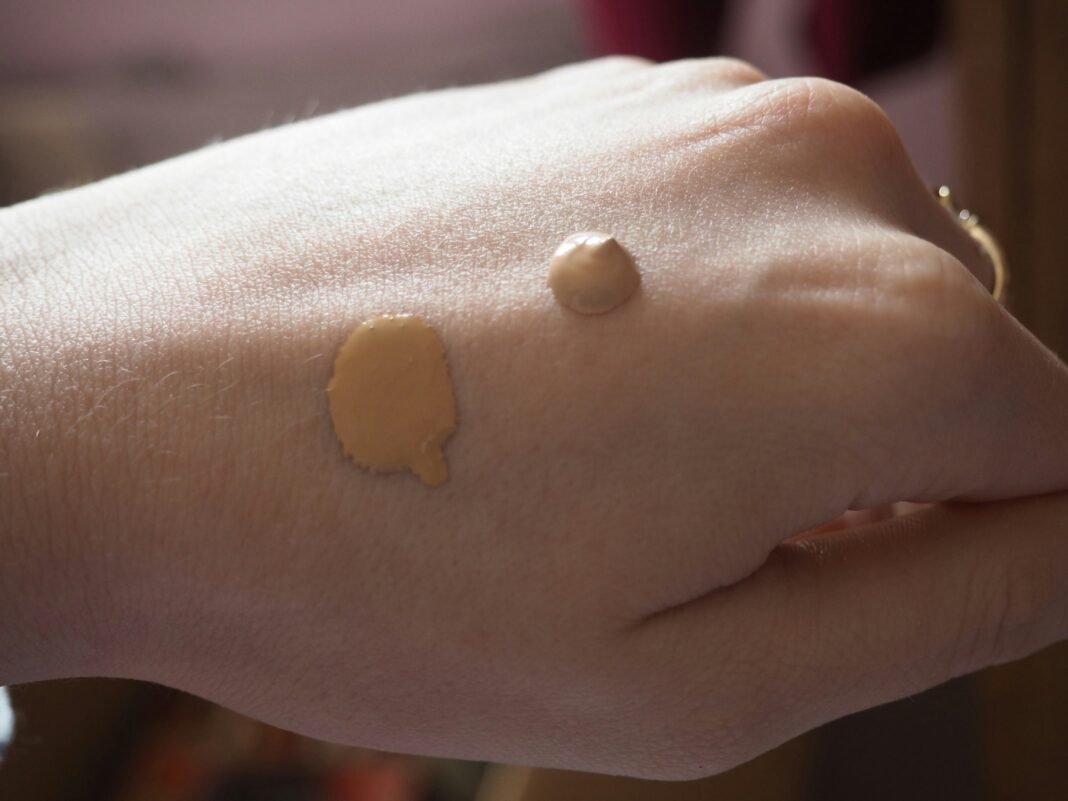
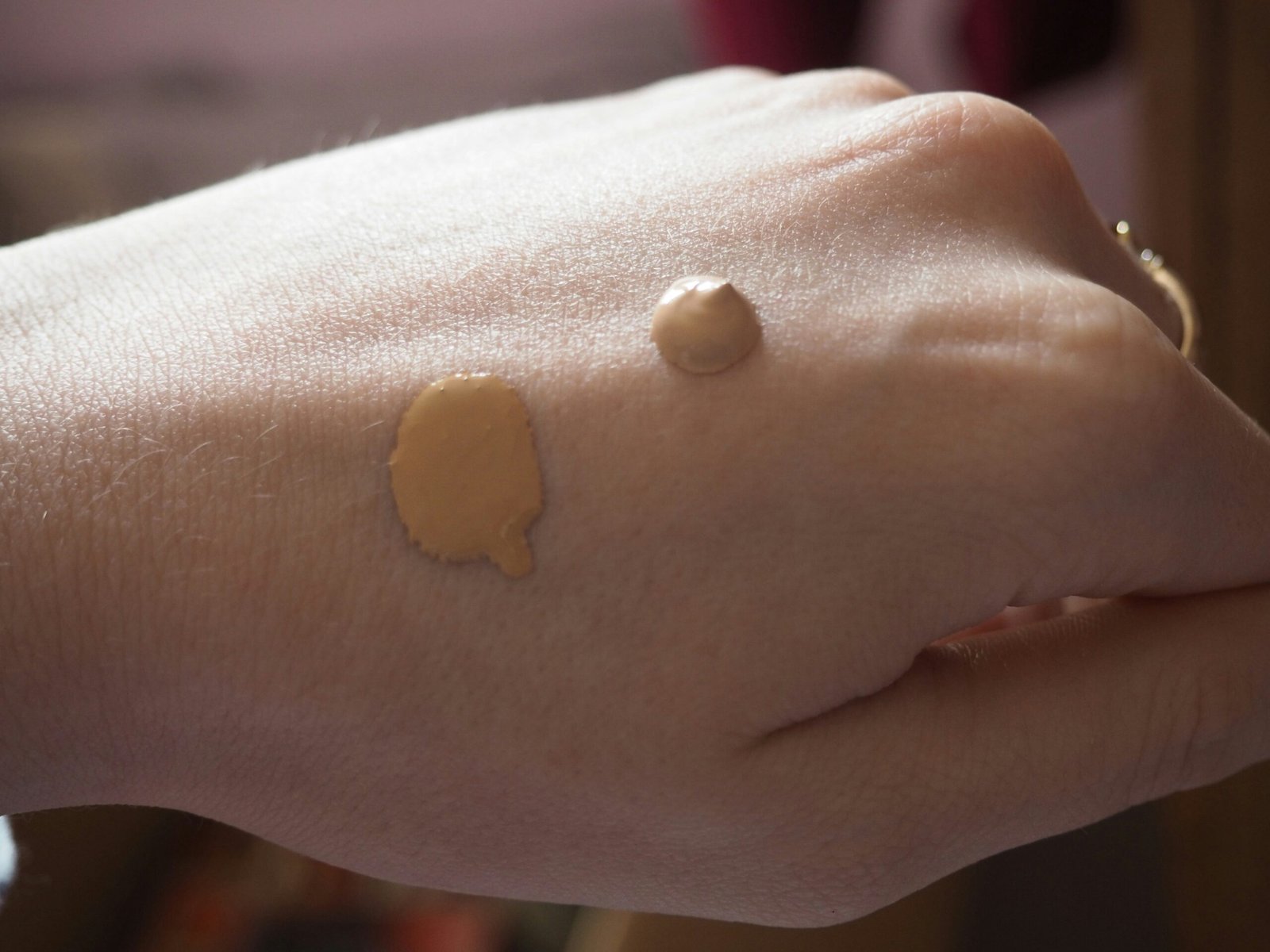
When testing foundation shades in-store, sheer formulations are often helpful as they allow for a more accurate representation of how the product will appear on your skin. For online purchases, consider utilizing brand-specific tools that help in determining a match based on previously purchased products or uploaded images. Additionally, as your skin tone may vary with the seasons, having one or two different shades can be beneficial. It is advisable to mix shades to create a customized blend, ensuring that you remain beautifully matched throughout the year, regardless of changes in sun exposure or skin condition.
Prepping Your Skin for Foundation
Achieving a flawless appearance with foundation begins with effective skin preparation. Key steps in this process include cleansing, exfoliating, and moisturizing, which collectively create a smooth canvas that enhances the overall finish of your makeup.
Cleansing is the first essential step in preparing your skin. It’s important to remove all traces of makeup, dirt, and oils that have accumulated on your face throughout the day. A gentle cleanser formulated for your specific skin type—be that oily, dry, or combination—will help maintain your skin’s natural barriers while ensuring it’s adequately prepped for subsequent products. Following cleansing, exfoliating is crucial for removing dead skin cells that can lead to a patchy foundation application. Chemical exfoliants like alpha-hydroxy acids (AHAs) or beta-hydroxy acids (BHAs) are effective choices that can improve skin texture without being overly abrasive.
Once your skin is cleansed and exfoliated, moisturizing plays a vital role in ensuring a hydrated base. It is essential to select a moisturizer that suits your skin type; for instance, oil-free moisturizers for oily skin, while thicker formulations may be preferable for dry skin. This hydration supports the foundation’s adherence and longevity on the skin.
Primers are another critical aspect of a successful makeup routine. Providing a perfectly smooth surface, primers help to fill in pores and fine lines and can enhance the overall appearance of the foundation. When selecting a primer, consider specific formulations for various skin concerns—such as mattifying primers for oily skin or illuminating primers for dry skin. Popular options include the Porefessional by Benefit for pore minimization or the Smashbox Photo Finish Primer for a silky finish.
By committing to an adequate skin care routine that encompasses cleansing, exfoliating, moisturizing, and the strategic use of primers, you’ll create an ideal canvas that allows your foundation to shine through while maintaining its wear throughout the day. This meticulous approach will ultimately contribute to that sought-after flawless look.
The Application Techniques That Matter
When it comes to achieving a flawless skin finish with foundation, the application technique plays a crucial role. Various methods can be employed, including brushes, sponges, and fingers, each with its unique advantages and limitations.
Using a foundation brush is a popular choice among makeup enthusiasts. Brushes typically provide an airbrushed look, enabling precise application, especially around the nose and eyes. To use a brush, begin by dispensing a small amount of foundation onto the back of your hand. Dip the brush into the product and apply it in downward strokes, starting from the center of your face and blending outwards. One downside of using a brush can be the tendency for streaks if not blended properly.
Another widely favored technique is the use of a makeup sponge. Sponges, particularly those that are damp, can impart a soft, natural finish by absorbing excess product and assisting in blending. To use a sponge effectively, bounce it against the skin after applying foundation with a brush or your fingers. This technique not only helps in achieving an even application but also layers coverage subtly. However, sponges can soak up more product than desired, possibly leading to wastage.
Finally, using fingers to apply foundation is a less conventional but equally effective method. The warmth of your hands helps to seamlessly blend the foundation into your skin, providing a more personal touch. To apply, dot foundation on different areas of your face and then gently blend it in using circular motions. While this method allows for direct control over coverage, it can sometimes lead to an uneven finish if not blended carefully.
Irrespective of the technique employed, building coverage gradually is essential for a natural-looking finish. Start with a light layer and add more foundation as needed, ensuring to blend adequately at every step for the best results. Ultimately, the key to a long-lasting foundation lies in finding a method that suits your preference and skin type, enhancing your overall makeup experience.
Setting Your Foundation for Longevity
To achieve a flawless complexion that lasts throughout the day, setting your foundation is a crucial step in your makeup routine. The application of a setting product not only helps to enhance the longevity of your makeup but also keeps your skin looking fresh and vibrant. One of the key reasons for using setting products is to ensure that your foundation is resistant to environmental factors such as humidity and sweat, which can cause your makeup to break down or fade away.
There are several types of setting products available, including setting powders, sprays, and balms, each catering to specific skin types and preferences. Setting powders are particularly effective for those with oily or combination skin, as they help absorb excess oil and provide a matte finish. A translucent powder, applied lightly with a fluffy brush, can set your foundation without altering its color. Alternatively, setting sprays are a convenient option that adds moisture to the skin while locking in makeup. They can be used both before and after makeup application to prep the skin and ensure a long-lasting look. For individuals with dry skin, setting balms offer a unique solution, providing hydration while creating a protective barrier over the foundation.
When applying these products, it is important to do so with care to avoid a cakey appearance. For powders, use a small amount and apply using a tapping motion to prevent over-application. With sprays, maintain a distance of about eight to ten inches from your face and use a circular motion for an even distribution. If using a balm, gently pat it onto the skin with your fingertips after applying foundation to blend seamlessly. Mastering these techniques will not only help in setting your foundation effectively but also contribute to a fresh and well-polished look throughout the day.
Touch-Up Tips for All-Day Wear
Keeping your foundation looking flawless throughout the day requires strategic touch-ups. First and foremost, the timing of these touch-ups is crucial. Throughout the day, you may notice areas where foundation starts to wear off, particularly in zones that are prone to oiliness or perspiration. Regularly assessing your complexion in these key areas ensures a polished appearance. For many, mid-morning and mid-afternoon are optimal moments for touch-ups, especially if you have a long day ahead or are attending a special event.
Blotting papers are an effective tool for lifting excess oil without disrupting your foundation. Start by gently pressing a blotting paper against oily areas; these papers absorb shine while leaving your makeup intact. After blotting, if you find that the foundation has faded after the oil has been removed, the next step is to apply a light layer of compact powder. Choose a translucent powder to maintain the existing shade of your foundation. Use a makeup puff or a clean brush for application, focusing on areas that require extra coverage.
For quick fixes during busy days or events, a cream-based foundation or stick can be very handy. Simply tap the product onto areas where it has faded and blend with your fingers. This method allows for a seamless repair, minimizing the need for a complete reapplication. Moreover, consider keeping a small travel-sized spray of setting mist to help revitalize your complexion. A light mist can rehydrate the skin and refresh the makeup look without feeling heavy.
Overall, a strategic approach to touch-ups will help maintain your foundation’s longevity and keep your skin looking radiant throughout the day. By utilizing appropriate products and methods, you can ensure a fresher and more polished appearance, regardless of the occasion.
Avoiding Common Foundation Mistakes
Applying foundation is an essential step in achieving a flawless complexion; however, common pitfalls can derail even the best intentions. One major mistake is using outdated or expired products. Foundations, like all cosmetics, have a shelf life. Using expired products can lead to uneven application and skin irritation. Regularly check your foundation for signs of separation, a change in texture, or an off-putting smell, all of which indicate it needs to be discarded.
Another prevalent mistake occurs during the shade selection process. Often, individuals choose a foundation that is either too light or too dark for their natural skin tone. To avoid this, it is advisable to test the foundation on your jawline to ensure a seamless match with your neck. The ideal shade should enhance your natural complexion, providing a polished look without appearing overly made-up. Additionally, consider the undertones—whether warm, cool, or neutral—as this can significantly influence the overall appearance of foundation on your skin.
Layering foundation too thickly is a common issue that can result in a cakey finish. A heavy application can also settle into fine lines, emphasizing imperfections rather than concealing them. Instead, aim for a light to medium coverage, building it gradually until the desired effect is achieved. Applying multiple thin layers instead of one thick layer helps create a more natural appearance while increasing longevity.
Lastly, the tools used for application can make a substantial difference. Brushes, sponges, and fingers each provide different finishes. If your application appears streaky, consider changing your technique or tool. By avoiding these common foundation mistakes, you can significantly improve your makeup routine and enhance the longevity and appearance of your foundation.
Choosing Long-Wearing Formulas
When it comes to achieving flawless skin, selecting a foundation that promises longevity is crucial. Long-wearing formulas are specifically designed to withstand daily wear and offer a seamless appearance throughout the day. These products incorporate various features that enhance their durability, including water resistance, transfer resistance, and effective oil control. Understanding these attributes can help individuals choose the appropriate foundation according to their skin type and personal preferences.
Water-resistant foundations are a popular choice for those who lead an active lifestyle or live in humid climates. Such formulas create a waterproof barrier, ensuring that the makeup remains intact even when exposed to sweat or moisture. Transfer-resistant foundations, on the other hand, minimize the likelihood of makeup smudging onto clothing or other surfaces, allowing for a polished look at all times.
For individuals with oily skin, opting for an oil-free long-wearing foundation can significantly prolong the wear of makeup. These formulations typically contain ingredients that absorb excess oil and help maintain a matte finish, preventing shine throughout the day. Conversely, those with dry skin may benefit from using hydrating long-wearing foundations that ensure moisture retention while still providing a lasting finish.
For a curated selection, here are some recommended long-wearing foundations across diverse skin types and concerns:
- Estée Lauder Double Wear Stay-in-Place Makeup: Known for its ultra-long-wear properties and wide shade range, this foundation provides a matte finish without feeling heavy.
- Fenty Beauty Pro Filt’r Soft Matte Longwear Foundation: This inclusive formula is designed for all skin types and offers buildable coverage with exceptional oil control.
- Lancome Teint Idole Ultra Longwear Foundation: Ideal for those with combination skin, it delivers a natural finish and impressive lasting power.
By choosing the right long-wearing foundation, you can achieve a perfect and enduring complexion that lasts all day.
Seasonal Considerations for Wearing Foundation
Foundation application is not a one-size-fits-all approach; it is crucial to adapt your makeup routine according to seasonal changes. Each season brings unique weather conditions that can significantly affect the wear and appearance of foundation. Understanding how factors such as humidity, temperature, and skin condition change with the seasons can help you achieve flawless skin year-round.
During the summer months, high humidity and heat can lead to excess oil production and make foundations prone to sliding off the skin. To combat this, it is advisable to opt for lightweight, oil-free formulations that provide a matte finish. Products infused with mattifying agents can help control shine, while setting sprays can further enhance the longevity of the makeup throughout the day. Additionally, using a primer can create a smooth canvas that prolongs wear.
As autumn approaches, the air typically becomes drier, which can affect the skin’s hydration levels. This is the time to switch to a more hydrating foundation that helps combat dryness while still offering sufficient coverage. Cream or liquid foundations that contain moisturizing properties can promote a radiant appearance. Applying a moisturizing primer before foundation can also facilitate a smooth application.
Winter presents another set of challenges as cold temperatures can exacerbate dry, flaky skin. Choosing a foundation with creamy textures can help maintain hydration and provide a dewy finish. Individual skin hydration routines, such as using heavier moisturizers, can also play a significant role in how the foundation sits on the skin during these months. Additionally, applying foundation with a damp sponge can lend a more natural look.
In contrast, spring typically brings milder temperatures, allowing for greater versatility in foundation choices. Lightweight formulations can be reintroduced, and transitioning back to products with a more glowy finish can enhance the fresh, rejuvenated look of the season. Adapting your technique, such as using brush application to achieve a flawless finish, can also be beneficial.