

Understanding Cosmetic Procedures
Cosmetic procedures encompass a wide range of treatments aimed at enhancing an individual’s appearance through various techniques, both surgical and non-surgical. These procedures can significantly affect physical features, facilitate rejuvenation, and improve overall self-esteem. The allure of cosmetic enhancements continues to grow, with an increasing number of individuals seeking to achieve their aesthetic goals through professional interventions.
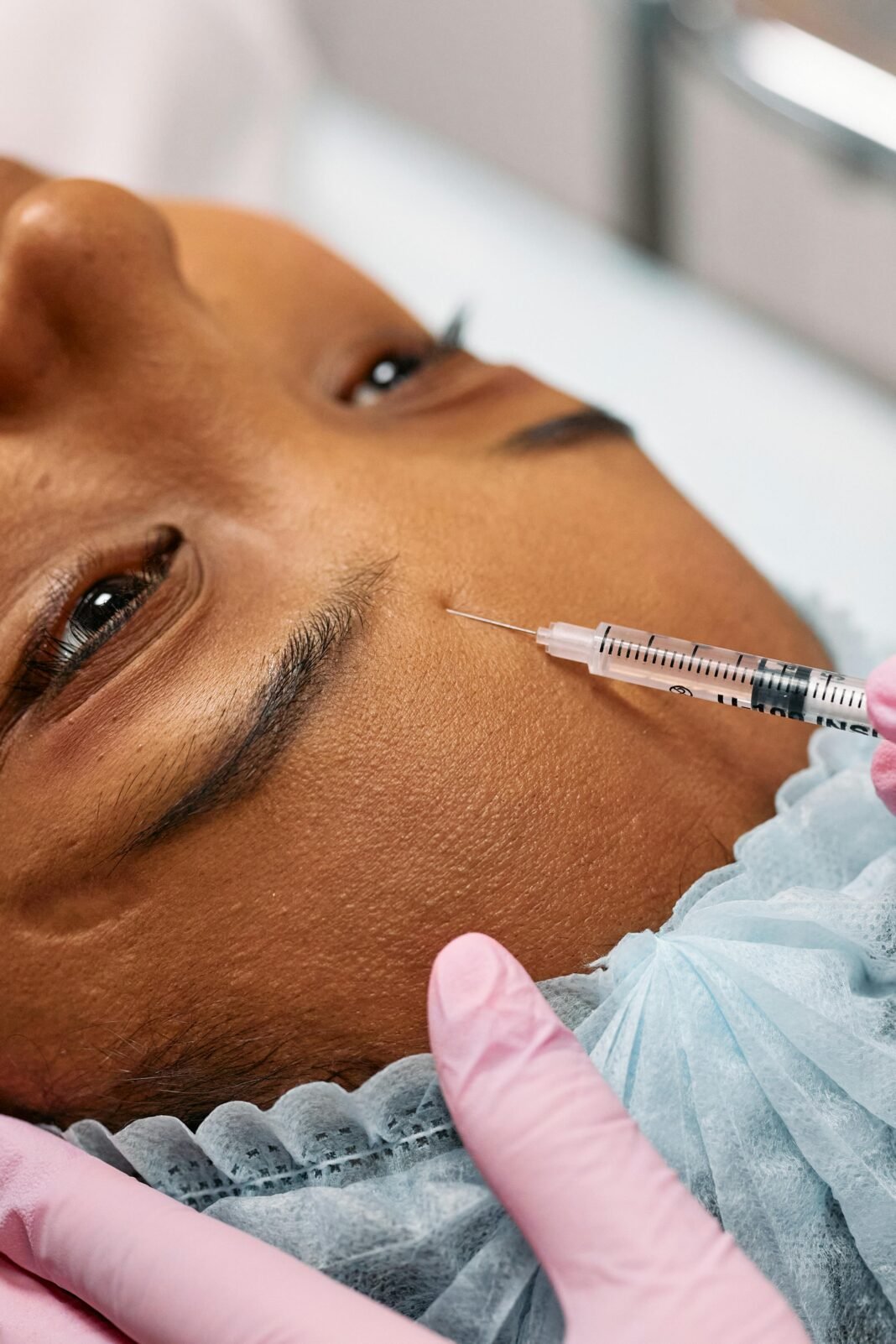
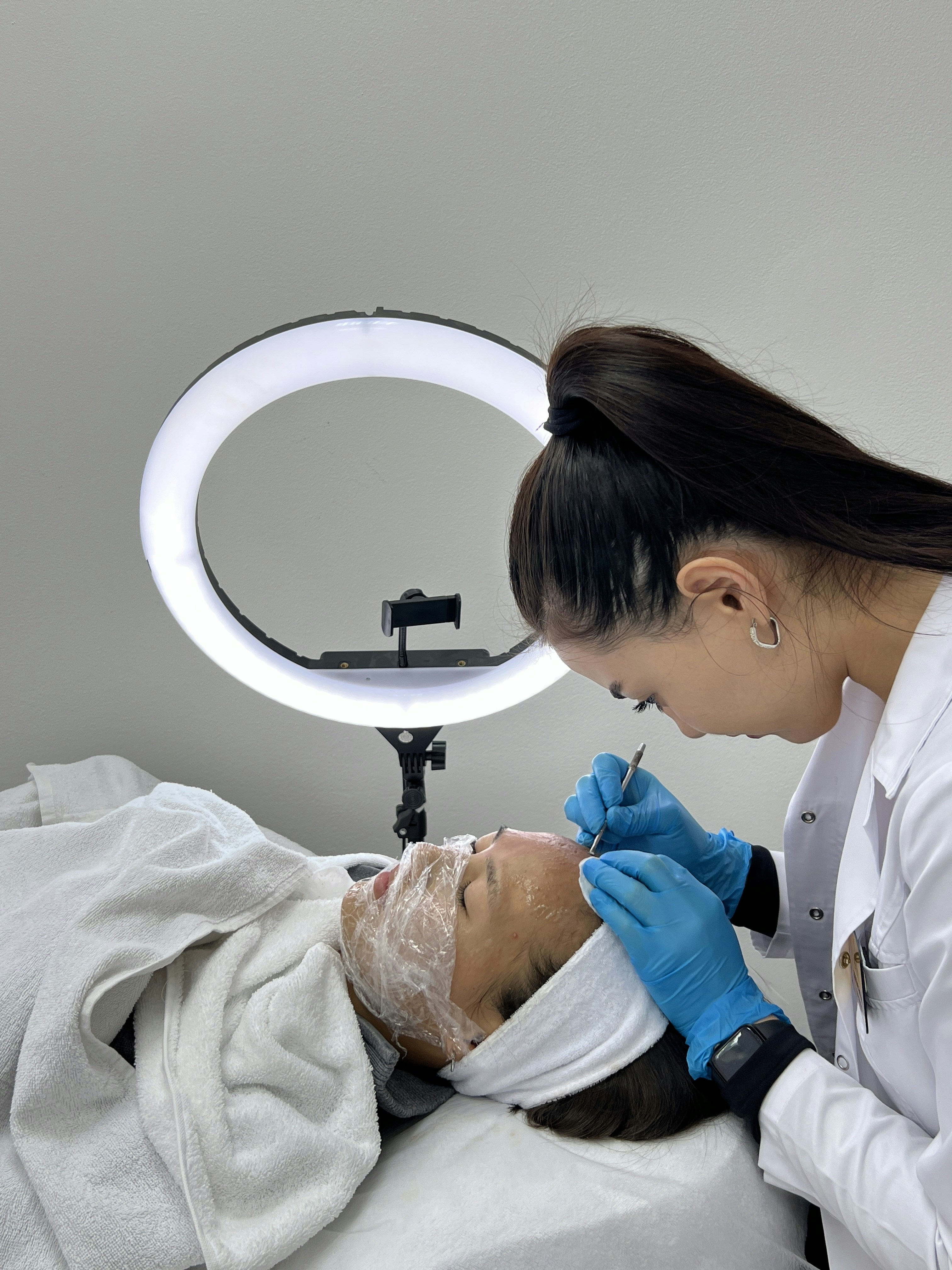
Surgical options often include procedures such as rhinoplasty, facelifts, liposuction, and breast augmentation. These interventions typically require anesthesia and have longer recovery times but can result in profound changes to an individual’s appearance. Non-surgical options, on the other hand, cover a vast array of treatments such as Botox, dermal fillers, chemical peels, and laser therapy. These procedures are generally less invasive, often performed in an outpatient setting with minimal downtime, appealing to those who prefer a more subtle alteration without significant commitment.
The motivations for pursuing cosmetic procedures can vary widely among individuals. Common drivers include a desire to boost confidence, correct perceived imperfections, or adapt to the aging process. It is critical for individuals to approach these enhancements with realistic expectations. While cosmetic procedures can be transformative, they are not guaranteed solutions to personal issues or dissatisfaction. Prospective patients should engage in thorough consultations with qualified professionals to discuss their goals and receive expert guidance tailored to their unique circumstances.
Furthermore, understanding the available options and potential risks associated with cosmetic procedures is essential. Whether opting for a surgical or non-surgical procedure, individuals must be well-informed to make sound decisions. Emphasizing education and open communication with healthcare providers can ensure that choices are made strategically, aligning personal aspirations with achievable outcomes.
Identifying Your Goals and Needs
Before embarking on any cosmetic procedure, it is paramount to thoroughly identify and articulate your personal goals and needs. Understanding what you seek to achieve through these enhancements not only guides your choice of clinic but also frames your expectations for the outcomes. Begin by reflecting on why you are considering cosmetic procedures; whether it is to boost self-esteem, correct perceived flaws, or simply achieve a desired aesthetic, having clarity on your motivations will help streamline your search for a qualified clinic.
Self-assessment plays a crucial role in this process. Take the time to evaluate your physical appearance and identify specific areas you wish to improve. This could involve looking in the mirror and making notes about features you find unsatisfactory, or alternatively, aspects you would like to enhance further. It is also beneficial to consider the emotional aspects tied to your goals; such as how achieving your desired look might positively impact your confidence or social interactions.
Setting realistic expectations is equally important when considering cosmetic procedures. The desire for radical transformations must be tempered with an understanding of what is achievable within the realms of medical expertise and personal limitations. Engaging with experienced practitioners during initial consultations can provide insight into viable options tailored to your needs. They can assist in mapping out potential outcomes that align with your visions while addressing any concerns you may have about the procedures.
Ultimately, a clear understanding of your goals and needs will empower you throughout this journey. It not only helps in selecting the right clinic but also fosters a collaborative relationship with healthcare professionals, ensuring that your cosmetic enhancement journey is not only fulfilling but also realistic. This groundwork is pivotal to ensure a positive experience and outcomes that genuinely reflect your aspirations.
Researching Qualified Clinics
When considering cosmetic procedures, the first step is to meticulously research qualified clinics. The credentials and certifications of a clinic and its staff are paramount factors that should not be overlooked. A qualified clinic will typically have licensed medical professionals, including board-certified surgeons, who have received specialized training in cosmetic procedures. It is advisable to verify these credentials through appropriate medical boards or professional organizations that govern cosmetic surgery practices.
Online reviews play a significant role in assessing the reputation of potential clinics. Websites and platforms dedicated to patient testimonials can offer insights into the experiences of previous clients. While evaluating reviews, it is essential to consider both positive and negative feedback to get a balanced view of the clinic’s services. Pay attention to comments regarding the professionalism of the staff, the cleanliness of the facility, and overall patient satisfaction. Such factors can significantly contribute to your decision-making process.
In addition to online research, garnering recommendations from friends or family members can be beneficial. Personal experiences often carry weight and can aid in identifying clinics that offer quality services. If someone you know has undergone a cosmetic procedure, ask about their experience, including the staff’s professionalism and the overall atmosphere of the clinic. These recommendations can often help narrow down your options more effectively.
Consulting professional organizations is another effective method to confirm the credibility of clinics. Many of these organizations maintain a list of accredited facilities and practitioners. They can provide vital information on safety standards and best practices for cosmetic procedures. Gathering comprehensive information from various sources is essential in ensuring that you make a well-informed choice regarding a qualified clinic for cosmetic treatments.
Evaluating the Qualifications of Practitioners
Choosing a qualified practitioner for cosmetic procedures is essential to ensure safety and desired results. When evaluating a practitioner, one should focus on their credentials, experience, and specialized training. Practitioners should hold proper medical licenses that are pertinent to the procedures they administer. For example, a board-certified dermatologist or plastic surgeon indicates a high level of training and adherence to industry standards. These certifications ensure that the practitioner has undergone rigorous education and training specific to cosmetic procedures.
Additionally, specialized training plays a crucial role in the practitioner’s ability to perform specific cosmetic treatments. Many practitioners pursue additional certifications in areas such as injectables, laser treatments, and surgical techniques. These continuing education opportunities not only enhance the practitioner’s skills but also reflect their commitment to staying updated with the latest protocols and advancements in cosmetic medicine. It is advisable to inquire about a practitioner’s training background, as this can vary widely from one professional to another.
The significance of pre-procedure consultations cannot be overstated. This initial meeting provides an opportunity for potential patients to discuss their desired outcomes, ask questions regarding the practitioner’s experience, and assess their overall professionalism. During a consultation, patients should observe how the practitioner communicates, addresses concerns, and explains the procedure. A suitable practitioner will not only demonstrate technical expertise but also prioritize patient safety and comfort. Ultimately, the evaluation of a practitioner’s qualifications should include a thorough review of their credentials, experience, and the quality of care they provide during consultations. Adequate diligence in this evaluation process can lead to a more satisfactory cosmetic experience.
Assessing Clinic Facilities and Technology
When considering a clinic for cosmetic procedures, the assessment of its facilities and technology plays a crucial role in ensuring both safety and effective results. The cleanliness of the clinic is paramount; a well-maintained environment not only demonstrates professionalism but also reflects the clinic’s commitment to hygiene and patient safety. Prospective patients should take the time to observe the overall cleanliness of waiting areas, treatment rooms, and surgical suites. It’s advisable to ask about the clinic’s sanitation protocols, including how often equipment is sterilized and how frequently the facilities are cleaned.
Equally important is the evaluation of safety protocols implemented by the clinic. Clinics should comply with local health regulations and guidelines for safety to safeguard patients during procedures. Inquire about the protocols for handling emergencies, the presence of a qualified medical team, and the availability of necessary medical equipment. Ensuring these safeguards are in place will provide peace of mind as well as enhance the overall safety of your chosen cosmetic procedures.
Additionally, the types of technology utilized in the clinic significantly impact the quality of cosmetic treatments. Clinicians should employ state-of-the-art equipment and techniques that are regularly updated to reflect advancements in the field. Prospective patients should inquire about the types of devices used for specific procedures and whether they have undergone recent evaluations or certifications. Up-to-date technology not only improves the efficacy of cosmetic procedures but also minimizes the risk of complications that can arise from outdated techniques.
In conclusion, assessing clinic facilities and technology is an essential step in the decision-making process for cosmetic procedures. By prioritizing cleanliness, safety protocols, and modern technology, individuals can confidently choose a qualified clinic that aligns with their aesthetic goals while ensuring their safety and satisfaction throughout the treatment journey.
Understanding Costs and Financing Options
When considering cosmetic procedures, one of the most significant factors influencing a patient’s decision is the associated costs. Prices for these treatments can vary widely depending on several factors, including the type of procedure, the complexity involved, the geographic location of the clinic, and the expertise of the medical professionals performing the treatment. For example, minimally invasive procedures such as Botox or dermal fillers typically cost less than surgical options like rhinoplasty or liposuction. Patients should conduct thorough research and request detailed pricing information from potential clinics to understand the financial commitments involved comprehensively.
Additionally, it is crucial to acknowledge that costs may not only include the procedure itself but also pre-operative assessments, anesthesia, facility fees, and post-operative care. Therefore, having a clear understanding of what is included in the quoted price is essential to avoid unexpected expenses. Patients should also inquire about any potential additional costs that might arise during the treatment process, as these can significantly alter the overall financial picture.
Financing options are available for patients seeking cosmetic procedures, which can alleviate the financial burden. Many clinics now offer payment plans, allowing patients to spread the cost over a specified period. Additionally, third-party financing options such as medical credit cards or personal loans can make these procedures more accessible. It is advisable for patients to evaluate these options carefully, considering the interest rates and terms to ensure they align with their financial situation.
When budgeting for cosmetic treatments, it is wise to strike a balance between cost and quality. Choosing a qualified clinic and experienced professionals might come with a higher price tag, but investing in safety and expertise should be a priority. By thoroughly researching and examining financing options, patients can make informed decisions that align with their cosmetic goals and financial capabilities.
Reading Patient Testimonials and Case Studies
When it comes to selecting a qualified clinic for cosmetic procedures, patient testimonials and case studies serve as invaluable resources for potential patients. These firsthand accounts provide insight into the experiences of individuals who have undergone similar treatments, helping to inform and guide decision-making processes. Trustworthy testimonials can be found on multiple platforms, including clinic websites, independent review sites, and social media channels. Prospective patients should conduct thorough research, ensuring that they read a diverse range of reviews to capture various perspectives.
In evaluating patient testimonials, it is essential to consider the overall tone and content of the experiences shared. Look for specific comments regarding the professionalism of the staff, the quality of care, and the attentiveness of the clinic to patient concerns. A balanced testimonial will often highlight both positive and negative aspects of the procedure, allowing potential patients to gain a realistic understanding of what to expect. Additionally, testimonials that include detailed descriptions of the procedures can offer important context about the types of results achieved.
Before-and-after case studies present another critical tool in assessing the qualifications of a cosmetic clinic. These visual representations provide potential patients with tangible evidence of the clinic’s capabilities. When examining case studies, pay attention to the consistency in outcomes among different patients and the types of procedures performed. A reputable clinic will typically provide a gallery of such case studies, organized by specific procedures, allowing prospective patients to gauge realistic expectations for various treatments.
By thoroughly researching patient testimonials and case studies, individuals can make more informed choices regarding their cosmetic procedures. Understanding the experiences of others strengthens the decision-making process and enhances overall satisfaction with surgical or non-surgical interventions. Thus, it is crucial to approach this aspect with diligence and care as one navigates the journey toward cosmetic enhancement.
Preparing for the Consultation
Preparing for a consultation at a cosmetic clinic is a critical step in ensuring a successful outcome. It is essential to enter this meeting equipped with a clear understanding of your goals and expectations. One of the first steps is to compile a list of questions that specifically address any concerns you may have regarding the procedures you are considering. These questions should cover aspects such as the clinic’s qualifications, the experience of the practitioners, the types of procedures available, and the expected recovery time.
Moreover, discussing your medical history openly is vital during the consultation. Any prior surgeries, medical conditions, or medications you are currently taking should be disclosed to the medical professional. This information helps the practitioner provide you with the most suitable options tailored to your specific needs. Additionally, it is prudent to inquire about the potential risks and complications associated with the procedures you are considering. Understanding these aspects will allow you to make informed decisions and align your expectations with possible outcomes.
Effectively articulating your concerns and expectations is another significant aspect of the consultation process. Be specific about what you hope to achieve and any particular features you would like to address. A qualified practitioner will take the time to understand your perspectives, which can foster a more collaborative relationship. Being open to feedback and recommendations from the consultant can also enhance the process. They may suggest alternative procedures or offer modifications that align more closely with your desires while ensuring safety and feasibility.
In conclusion, adequately preparing for your initial consultation involves asking relevant questions, sharing your medical history, and communicating your concerns clearly. By fostering an open dialogue, you will lay the groundwork for a productive relationship with the clinic and enhance the likelihood of a satisfactory outcome from your cosmetic procedure.
Red Flags to Watch Out For
When considering a cosmetic procedure, it is essential to be discerning and identify potential warning signs that may indicate an unqualified or unsafe clinic. Recognizing these red flags can significantly impact your decision-making process and help ensure your safety and satisfaction.
One of the first red flags to be aware of is a lack of transparency. Reputable clinics should readily provide information regarding their procedures, qualifications, and outcomes. If a clinic is reluctant to share details about their staff’s credentials or the specific techniques they use, this should raise concerns about their professionalism and commitment to patient safety.
High-pressure sales tactics are another troubling sign. A qualified clinic will prioritize your well-being over sales goals and respect your decision-making time. If you feel rushed or pressured to commit to a procedure, this may signal that the clinic is more focused on profit than on providing quality care. Be wary of clinics that offer significant discounts or limited-time promotions, as these can often indicate a lack of established credibility.
Sanitation practices play a crucial role in ensuring patient safety. A legitimate clinic should adhere to strict hygiene protocols, including proper sterilization of equipment and clean environments. If the clinic appears dirty or disorganized or if staff does not follow basic sanitation practices, it could pose risks to your health and safety.
Finally, observe the overall professionalism of the staff. Unprofessional conduct, such as neglecting to answer questions thoroughly or displaying discourteous behavior, can suggest a harmful environment for patients. Every interaction should be characterized by respect, support, and a genuine commitment to your health and satisfaction.
By remaining vigilant for these red flags, you can better protect yourself and ensure that you choose a qualified clinic for your cosmetic procedures.