


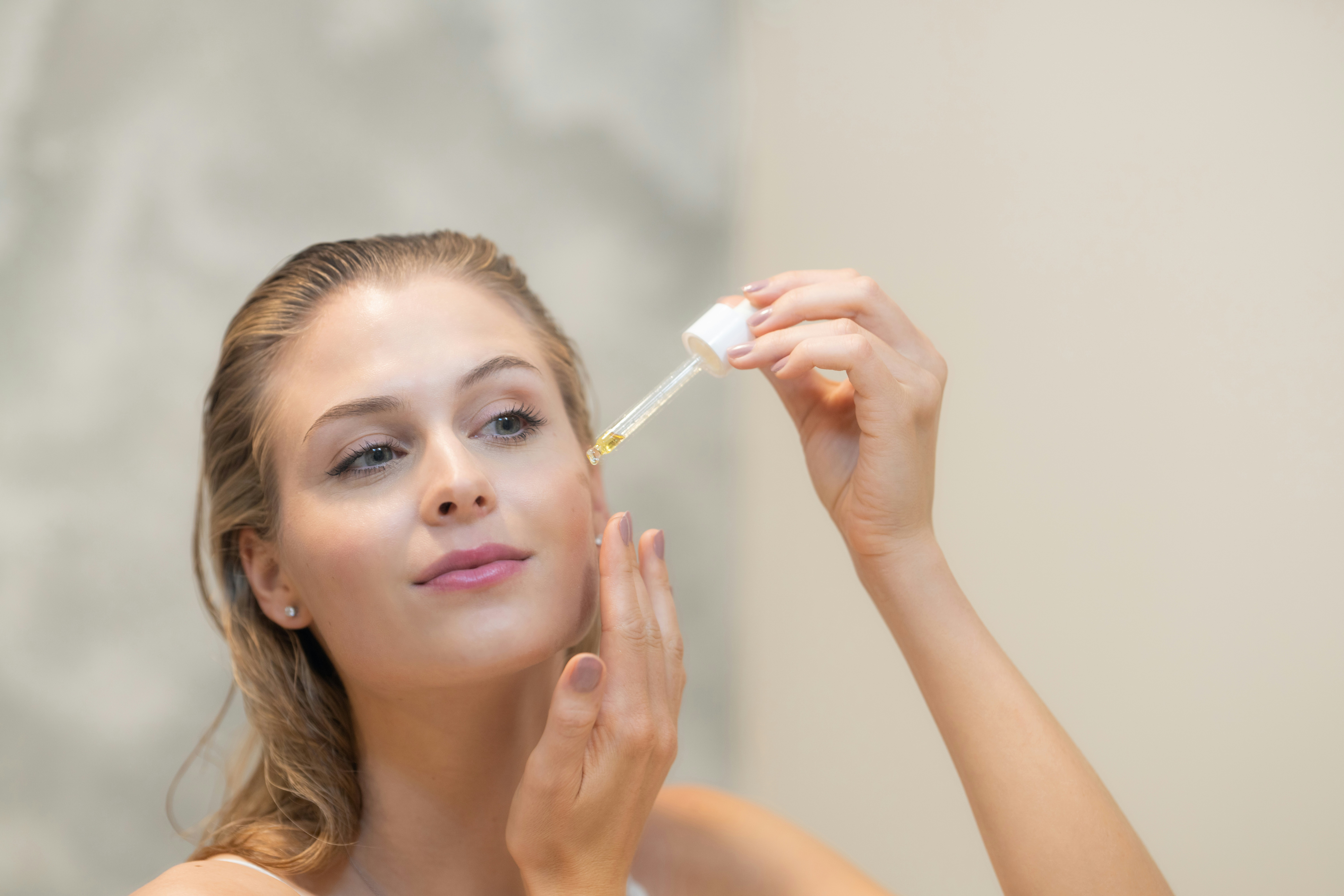
Introduction to Skincare and Its Importance
Skincare is the art and science of maintaining the health and appearance of the skin, an essential component of our overall well-being. As we age, our skin undergoes various changes such as loss of elasticity, increased dryness, and the development of fine lines and wrinkles. Aging skin requires extra care and attention to preserve its youthful, radiant quality. The aging process is influenced by internal factors like genetics and hormonal changes, as well as external elements such as sun exposure, pollution, and lifestyle habits. Therefore, incorporating a diligent skincare routine becomes paramount for tackling these issues effectively.
A good skincare routine consists of a series of practices that not only cleanse and protect the skin but also provide nourishment to help rejuvenate its appearance. The primary components of an effective regimen include cleansing, exfoliating, toning, and moisturizing, complemented by sun protection. These steps work in concert to prevent damage, promote cellular renewal, and maintain hydration, all of which play a vital role in achieving and sustaining healthy skin.
Investing time and effort into proper skincare practices yields a multitude of benefits beyond mere appearance. A well-structured skincare routine can lead to improved skin texture, enhanced elasticity, and a more even complexion. Additionally, the psychological benefits of a consistent skincare regimen are noteworthy, as individuals often experience increased confidence and a more positive self-image. Ultimately, embracing a comprehensive skincare approach not only enhances one’s appearance but also fosters a deeper connection with personal health and wellness, making it a worthwhile endeavor for every individual seeking to achieve youthful, radiant skin.
Understanding Your Skin Type
Identifying your skin type is a fundamental aspect of developing an effective skincare routine. Skin types generally fall into five categories: normal, oily, dry, combination, and sensitive, each presenting unique characteristics and care requirements.
Normal skin is characterized by a balanced composition, with a fair distribution of moisture and oil. Individuals with normal skin typically experience few issues and can usually use a wide variety of products without adverse reactions. In contrast, oily skin is marked by excess sebum production, often leading to a shiny appearance and enlarged pores. This skin type is more prone to acne and breakouts, necessitating the use of non-comedogenic products to avoid exacerbating these issues.
Dry skin can manifest as rough, flaky, or tight patches, often resulting from inadequate moisture retention. Those with dry skin may benefit from rich moisturizers and hydrating serums that contain ingredients like hyaluronic acid and glycerin to restore moisture levels. Combination skin features a mix of both oily and dry areas, commonly with an oily t-zone and dry or normal cheeks. Tailoring a skincare routine to address both oily and dry zones can be complex but is crucial for balance.
Finally, sensitive skin is characterized by heightened reactions to various stimuli, including certain ingredients or environmental factors. Individuals with sensitive skin should select products formulated for delicate skin, avoiding irritants and focusing on gentle, calming ingredients. Identifying your skin type is vital; understanding its characteristics helps in choosing appropriate products, leading to more effective and beneficial skincare outcomes. By recognizing what your skin needs, you can cultivate a personalized routine that not only addresses specific concerns but also promotes overall skin health.
The Essential Steps of a Skincare Routine
Establishing a robust skincare routine is vital for maintaining youthful and radiant skin. The core steps of an effective regimen include cleansing, toning, moisturizing, and applying sunscreen. Each of these steps serves a unique purpose, contributing to the health and appearance of the skin.
Cleansing is the first and arguably the most crucial step. It removes dirt, makeup, and impurities that accumulate on the skin throughout the day. A gentle cleanser suited to your skin type helps to maintain the natural moisture balance while effectively cleansing the skin without causing irritation. Cleansing at least twice a day, once in the morning and once at night, is recommended to keep the complexion fresh.
Next in line is toning, which helps to refine the pores and restore the skin’s pH balance after cleansing. Toners can provide additional hydration and prepare the skin for subsequent products. Choosing a toner with beneficial ingredients, such as antioxidants or aloe vera, can enhance its effectiveness and promote a more youthful appearance.
The third critical step is moisturizing, which aids in retaining hydration. Regardless of skin type—be it oily, dry, or combination—moisturizing is essential for preventing dryness and keeping the skin plump. Selecting a moisturizer with appropriate ingredients for your skin type can help improve skin texture and overall tone.
Applying sunscreen daily is paramount in protecting the skin from harmful UV rays, which can accelerate aging and result in dark spots and other skin issues. A broad-spectrum sunscreen with at least SPF 30 is ideal for safeguarding youthful skin.
For those looking to enhance their routine, incorporating extra steps like exfoliation and treatment serums can provide additional benefits. Exfoliation helps to remove dead skin cells and promotes cellular turnover, while serums can address specific concerns such as pigmentation or fine lines. By understanding and implementing these essential steps, individuals can achieve a comprehensive skincare routine that promotes a youthful glow.
Cleansing: The Foundation of Healthy Skin
Cleansing is the cornerstone of any effective skincare routine. It serves to remove impurities, excess oil, and makeup, which are fundamental contributors to skin issues such as breakouts and dullness. Each individual has a unique skin type, and selecting the appropriate cleanser plays a crucial role in maintaining skin health. There are various types of cleansers available, with gel, cream, and oil-based formulations being among the most popular.
Gel cleansers are ideal for those with oily or combination skin, as they often have a lightweight texture and can effectively remove excess oil without stripping the skin of its natural moisture. These formulations typically contain ingredients like salicylic acid that help to control breakouts and clear clogged pores. In contrast, cream cleansers are better suited for dry or sensitive skin types. Their rich texture provides a hydrating cleanse, effectively removing dirt and makeup while maintaining the skin’s moisture barrier.
Oil-based cleansers have gained popularity for their ability to dissolve stubborn makeup and penetrate deeply into the skin. They are particularly beneficial for all skin types, including oily skin, as they can help balance sebum production when used correctly. For optimal results, it is advisable to double cleanse in the evening: starting with an oil-based cleanser followed by a gel or cream cleanser, ensuring thorough removal of impurities.
Consistency in cleansing is imperative. It is recommended to cleanse twice daily—once in the morning and once at night—to keep the skin healthy and prevent clogged pores. When cleansing, gentle motions should be employed, along with lukewarm water, to avoid irritating the skin. Emphasizing the importance of tailored cleansing to your specific skin type can lead to a significant improvement in skin clarity and radiance.
The Role of Exfoliation in Skin Renewal
Exfoliation is a crucial step in any skincare regimen, particularly for those seeking to achieve youthful, radiant skin. This process involves removing dead skin cells from the surface of the skin, which can enhance overall texture and encourage cellular renewal. By promoting this turnover, exfoliation helps to reveal fresh, vibrant skin while also maximizing the effectiveness of other skincare products.
There are two primary types of exfoliants: physical and chemical. Physical exfoliants, such as scrubs or brushes, rely on manual abrasion to slough off dead skin cells. In contrast, chemical exfoliants use acids or enzymes to dissolve the bonds between the skin cells, allowing them to shed naturally. Popular chemical exfoliants include alpha-hydroxy acids (AHAs) and beta-hydroxy acids (BHAs). Each method has its advantages, and the choice between them often depends on personal preference and skin type.
When determining how often to exfoliate, it is essential to consider individual skin types. Oily or thicker skin may benefit from exfoliating two to three times a week, while those with sensitive or dry skin may only require exfoliation once every one to two weeks. It is vital to listen to the skin’s needs; over-exfoliating can result in irritation, redness, and compromised skin barrier function. Observing how the skin reacts can help gauge the right frequency and method.
Incorporating exfoliation into a skincare routine has numerous benefits. Regular exfoliation promotes cell turnover, leading to brighter, smoother skin and a reduction in the appearance of fine lines and blemishes. By maintaining a balanced approach to exfoliation, one can achieve remarkable skin health and vitality. Consequently, it stands as a key element in the pursuit of youthful, radiant skin.
Hydration: Moisturizing for a Radiant Complexion
Maintaining adequate skin hydration is crucial for achieving a youthful, radiant complexion. Moisturizing serves to lock in moisture, providing the skin with essential hydration that combats signs of aging, such as fine lines and dryness. Different types of moisturizers cater to various skin types and preferences, making it important to select one that works best for individual needs. Creams are typically thicker and provide an occlusive barrier, making them ideal for dry or mature skin that requires extra moisture. Gels, on the other hand, are lighter and often contain water-based ingredients, making them suitable for oily or combination skin types. Lotions strike a balance between the two, offering hydration without feeling overly heavy.
Choosing the right moisturizer involves understanding your skin type and its specific needs. For instance, individuals with oily skin may benefit from non-comedogenic gel formulas that hydrate without clogging pores. In contrast, those with dry skin might look for richer creams that contain emollients like hyaluronic acid or glycerin to draw moisture into the skin. Furthermore, adding moisturizers with antioxidants can help to protect the skin from environmental stressors, thereby enhancing its youthful appearance.
Implementing additional practices to boost hydration levels further enhances the moisturizing effects. Consider incorporating hydrating serums or essences into your daily routine before applying a moisturizer. These products penetrate deeper into the skin, delivering moisture at a cellular level. Additionally, regularly drinking water and incorporating humidity into your living environment can also support skin hydration. It is essential to remember that layering products, particularly in winter months when the air is dryer, can significantly benefit the skin’s moisture retention. By focusing on these aspects of hydration and moisturizing, individuals can significantly improve their skin’s overall health and appearance.
The Power of Sun Protection
One of the most crucial steps in any skincare routine is sun protection. Ultraviolet (UV) rays from the sun can cause significant damage to the skin, leading to premature aging, such as wrinkles and fine lines, as well as increasing the risk of skin cancer. Research indicates that long-term exposure to UV radiation can lead to a range of skin issues, including discoloration, loss of elasticity, and even more severe conditions like melanoma. Thus, prioritizing sun protection is essential for maintaining youthful, radiant skin.
To effectively shield the skin from harmful UV rays, incorporating a broad-spectrum sunscreen into your daily skincare regimen is imperative. Broad-spectrum sunscreens protect against both UVA and UVB rays, which are responsible for photoaging and sunburn, respectively. When looking for a sunscreen, it is essential to select one with an appropriate SPF level. Dermatologists typically recommend a minimum SPF of 30, which blocks approximately 97% of UVB rays. For individuals with fair skin or those spending extended hours outdoors, an SPF of 50 or higher is advisable for additional protection.
Applying sunscreen correctly is vital to its effectiveness. It should be applied generously to all exposed skin at least 15 minutes before sun exposure. To ensure adequate coverage, it is recommended to use approximately one ounce (the amount of a shot glass) for the entire body. Reapplying sunscreen every two hours and immediately after swimming or sweating is also crucial, as this maintains optimal protection throughout the day.
In addition to sunscreen, wearing protective clothing, seeking shade during peak sun hours, and utilizing wide-brimmed hats are practical measures to reduce UV exposure. These strategies, along with a diligent sunscreen application, form the cornerstone of an effective sun protection plan that can help stave off signs of aging and promote healthier skin overall.
Incorporating Serums and Treatments
Incorporating serums and targeted treatments into your skincare routine is essential for achieving youthful, radiant skin. These concentrated formulations are designed to address specific skin concerns, such as fine lines, uneven texture, and loss of hydration. Notably, serums typically have a lightweight consistency that enables them to penetrate deeply into the skin, delivering potent ingredients where they are needed most.
One of the most celebrated ingredients in contemporary skincare is vitamin C. Known for its brightening properties, this antioxidant neutralizes free radicals, promotes collagen production, and helps to even out skin tone. Regular use can result in a visibly radiant complexion, making it an excellent addition to any anti-aging regimen.
Another key ingredient is hyaluronic acid, renowned for its remarkable ability to retain moisture in the skin. It serves as a humectant, drawing water into the skin’s layers and giving it a plump, youthful appearance. Integrating a hyaluronic acid serum into your routine can significantly enhance hydration levels, especially for mature skin that may tend to be drier.
Retinol, a derivative of vitamin A, stands out as a powerful anti-aging ingredient. It works by accelerating cell turnover, which can lead to smoother skin and a reduction in the appearance of fine lines and wrinkles. However, it’s crucial to introduce retinol gradually, as its potency may cause irritation if overused.
Peptides are another promising addition, functioning as messengers that help stimulate collagen synthesis. By supporting the skin’s structure, they contribute to a firmer and more resilient appearance. When layering these products, it’s generally recommended to apply serums after cleansing and before moisturizing, allowing each layer to absorb effectively. Establishing a routine that includes these ingredients can enhance skin health significantly.
In conclusion, a thoughtful incorporation of serums and targeted treatments into one’s skincare regimen can lead to improved skin texture, hydration, and anti-aging benefits, contributing to overall skin health and appearance.
Lifestyle Factors Influencing Skin Health
The condition of our skin is heavily impacted by various lifestyle factors that often go unnoticed. A balanced diet plays a crucial role in achieving youthful, radiant skin. Consuming a variety of fruits and vegetables provides essential vitamins and antioxidants that safeguard the skin against free radical damage. Nutrients such as Vitamin C, found in citrus fruits, and Vitamin E, present in nuts and seeds, support collagen production and enhance skin elasticity. Additionally, incorporating healthy fats, such as those found in avocados and olive oil, aids in maintaining skin hydration, thereby promoting a healthy glow.
Hydration is equally important for skin health. Drinking an adequate amount of water daily ensures that the skin remains well-hydrated and can effectively flush out toxins. Proper hydration can also help prevent dryness and maintain a plump appearance, contributing to a more youthful look. Individuals should aim for at least eight glasses of water per day, adjusting this amount based on individual physical activity and climate conditions to ensure optimal hydration.
Quality sleep is another vital component of a successful skincare routine. During sleep, the body undergoes critical repair processes, including cell regeneration. Aim for 7-9 hours of restful sleep each night, as this allows the skin to recover from daily stressors and environmental damage. Poor sleep patterns can lead to dark circles and a tired appearance, which are detrimental to achieving radiant skin.
Lastly, effective stress management techniques can have a profound impact on skin health. Chronic stress can cause an increase in cortisol levels, which may lead to various skin issues such as acne, eczema, and premature aging. Incorporating practices such as mindfulness, meditation, or yoga not only benefits mental health but also promotes overall skin vitality. By adopting a well-rounded approach to lifestyle choices, individuals can significantly improve their skin’s appearance and achieve the radiant complexion they desire.