

Understanding Skin Tones
Identifying one’s skin tone is a fundamental step in selecting makeup products, particularly blush. Skin tones can generally be categorized into three main undertones: warm, cool, and neutral. Understanding these categories not only enhances our makeup application but also boosts our confidence when choosing shades that harmonize with our natural complexion.
Warm undertones often have a golden, peachy, or yellow hue. People with warm tones typically find that shades like coral, peach, or warm rose elevate their natural glow. An effective way to determine if you have a warm undertone is to look at the veins on your wrist; if they appear greenish, your skin tone is likely warm.
In contrast, cool undertones display pink, red, or blue hues. Individuals with cool undertones usually find that colors such as pink, mauve, or berry beautifully complement their skin. To identify a cool undertone, examine the same veins; if they appear bluish or purplish, this signals a cooler complexion.
Neutral undertones present a balanced mix of warm and cool hues. Those with neutral skin tones may find flexibility in their makeup choices, as shades ranging from peachy nudes to soft pinks can be equally flattering. A simple test for identifying neutral undertones involves assessing how skin reacts to various gold and silver jewelry—both should suit your complexion.
Furthermore, it is essential to recognize the diversity of skin shades that fall under these undertones. Individual variations can lead to unique combinations, making it imperative to experiment with different blush shades to discover what works best for you. Understanding your skin tone and its nuances plays a crucial role in the journey towards selecting the perfect blush that enhances your natural beauty.
The Importance of Undertones
When selecting the ideal blush for your skin tone, understanding undertones is pivotal. Undertones refer to the subtle hues beneath the main color of your skin, which can significantly influence how blush shades appear on your face. There are three primary types of undertones: cool, warm, and neutral. Cool undertones typically exhibit pink, red, or blue hues, while warm undertones feature golden, peachy, or yellow shades. Those with neutral undertones enjoy a balance of both warm and cool tones.
Identifying your undertone can seem challenging, but there are several effective methods to assist in accurate determination. One of the simplest is the wrist test. By examining the veins on the inside of your wrist, you can gain insight into your undertone. If your veins appear blue or purple, you likely have cool undertones. Conversely, greenish veins suggest warm undertones, and if it’s hard to tell, you might fall into the neutral category.
Another method to consider is the jewelry test. Individuals with cool undertones are often flattered by silver jewelry, while those with warm undertones tend to shine in gold. If both types complement you equally, you may possess neutral undertones. Additionally, consider how your skin reacts to sun exposure. If you burn easily, cool undertones may be at play; if you tan, warm undertones are more likely.
Once you have established your undertone, selecting the perfect blush shade becomes clearer. For cool undertones, shades like rosy pinks and plum may provide a beautiful flush. Warm undertones often benefit from peachy pinks, corals, and earthy tones. Those with neutral undertones can enjoy a variety of shades from both ends of the spectrum. Thus, recognizing your undertone is essential in achieving a naturally illuminated look with blush.
Choosing Shades for Different Skin Tones
When selecting the perfect blush, understanding your skin tone is essential. Different shades can enhance your natural complexion and provide a healthy glow. This guide categorizes blush recommendations into four main skin tone groups: fair, medium, tan, and deep.
For those with fair skin, it is advisable to opt for soft and light shades. Pale pinks, peachy hues, and light corals work well to impart a subtle flush without overwhelming the complexion. Shades like cotton candy pink and soft apricot can create a fresh and youthful appearance, giving a natural finish that complements fair skin beautifully.
Individuals with a medium skin tone have a wider range of options available to them. Rose, mauve, and vibrant peach shades are particularly flattering and can add depth and warmth. While soft pinks can still work, bolder colors such as geranium or berry can bring out the natural glow of medium tones. When selecting a shade, consider choosing a blush with a hint of shimmer to enhance radiance.
For tan skin, rich and warm colors are ideal. Terracotta, bronzed corals, and spicy pinks are great choices that provide a sun-kissed effect. These colors not only highlight the golden undertones present in tan skin but also deliver a vibrant finish that can elevate the overall look. Shades like warm apricot or deep peach can enhance this complexion beautifully, giving definition without drastic contrast.
Lastly, those with deep skin tones can benefit from vibrant and bold shades. Dark berries, deep plums, and rich terracottas are excellent options that deliver dimension and vibrancy. Choosing a blush that contrasts pleasantly with the richness of deep skin can create a striking and elegant appearance. Shades like black cherry or wine-colored blush help showcase your features and provide a stunning pop of color.
Understanding the nuances of blush shades suitable for various skin tones enables individuals to enhance their makeup application and achieve a radiant finish. By considering the undertones and depth of color, anyone can find their perfect match and enhance their natural beauty effectively.
Finish Matters: Matte vs. Shimmer
When selecting the perfect blush, the finish of the product plays a pivotal role in achieving the desired look. The two primary finishes available are matte and shimmer, each offering distinct characteristics that can significantly influence the final makeup outcome. Understanding these differences can help individuals make informed choices based on their skin type, occasion, and personal preferences.
Matte blush offers a more subdued, velvety texture. It provides a natural-looking flush without shine, making it particularly suitable for those with oily skin, as it can help to absorb excess oil and reduce shine throughout the day. Matte finishes are often preferred for daytime looks, workplace settings, and formal events where a polished appearance is essential. Additionally, matte formulas typically blend seamlessly into the skin, creating an airbrushed effect that can flatter a wide range of skin tones.
Conversely, shimmer blush adds a touch of luminosity to the cheeks, enhancing the complexion with a radiant glow. This finish is ideal for individuals with dry skin, as the reflective particles can provide a sense of hydration and vibrancy. Shimmer blushes are popular for evening outings, parties, and festive occasions, as they catch the light beautifully and can emphasize the cheekbones. However, those with textured skin or large pores may want to exercise caution, as shimmer can accentuate imperfections.
Ultimately, the choice between matte and shimmer blush depends on the wearer’s preferences and the context in which the makeup will be applied. Individuals may find that a combination of both finishes suits various occasions and looks, allowing them to showcase versatility in their makeup routine. Experimenting with the finishes can lead to personalized discovery of the most flattering options.
Application Techniques for Flawless Finish
Achieving a flawless blush application requires not only the right product but also effective techniques that cater to individual preferences and skin tones. Selecting the appropriate tool is crucial in this endeavor. Brushes, especially those with soft bristles like a fluffy blush brush or angled brush, usually provide a seamless application. These tools allow for blending that mimics the natural flush of the cheeks. Alternatively, sponges can be utilized for a soft touch and can help provide an even distribution of color when applied by tapping lightly onto the skin.
When it comes to application methods, there are several techniques to consider. The stippling technique, for example, involves using a stippling brush to apply the blush in small, soft taps. This method is effective for achieving a sheer and buildable layer of color that allows for greater control over the intensity. On the other hand, the swipe technique can be employed for a more pronounced look. This involves sweeping the blush from the apples of the cheeks towards the temples, which creates an instant lift to the face.
Blending is the final component of effective blush application. A well-blended blush appears as though it is part of the skin rather than sitting on top of it. To achieve this, one can use circular motions or more sweeping strokes to diffusing the product seamlessly. Furthermore, it’s essential to consider the blush placement based on your face shape. For example, round faces often benefit from a higher placement on the cheeks, while elongated faces may find lower placement more enhancing. Taking these techniques into account allows for a natural and flawless finish that complements the individual’s natural beauty beautifully.
Common Mistakes to Avoid When Choosing Blush
When selecting the perfect blush for your skin tone, several common mistakes can hinder your ability to achieve a natural, flattering result. One of the predominant pitfalls is choosing a shade that is too dark. A heavy application of a dark color can overwhelm your features, creating a stark contrast that appears unnatural. Instead, opt for shades that complement your skin tone while adding just the right touch of color. A more muted tone tends to provide a subtle and refined glow, allowing for a built-in enhancement rather than an obvious makeup effect.
Another significant error involves applying too much product. Applying an excessive amount of blush can result in a flushed appearance that overshadows your natural beauty. To avoid this, begin with a light dusting of blush on the apples of your cheeks, gradually adding more product as needed. Utilizing a fluffy brush allows for an even application and better control over the intensity of the color. Remember, it is easier to build up color than it is to tone it down, so exercise caution in your application technique.
Furthermore, many individuals overlook the importance of understanding their skin’s undertones when selecting blush. Undertones can be categorized as warm, cool, or neutral, and selecting a blush that aligns with your undertones is crucial for achieving harmony in your makeup look. A common mistake is choosing a cooler blush for warm-toned skin, which can appear jarring. Instead, warm-toned individuals should gravitate toward peaches and corals, while cooler-toned individuals might find pinks and berries more flattering. By being mindful of these undertones, one can effectively enhance their overall complexion.
By avoiding these common mistakes, one can more confidently select the perfect blush that enhances their natural beauty and suits their skin tone.
Seasonal Blush Choices
The selection of the perfect blush often depends on more than just personal preference; it is significantly influenced by the seasons. Each time of year brings unique environmental factors such as changing skin tones, seasonal trends, and varying light conditions. As these elements come into play, adapting your blush choices to align with the season can enhance your overall makeup look.
In spring, the palette transitions to softer, fresher shades. Gentle pinks and peachy tones can complement the awakening of nature, imparting a youthful glow. The gentle luminosity that often accompanies springtime light lends itself well to creamy blush formulas, which can create a seamless blend and a dewy finish, mirroring the renewal associated with this season.
As summer approaches, warm tones become increasingly popular. Coral and vibrant pink hues thrive in the sunlight, giving an energetic vibe that matches the season’s atmosphere. Additionally, a matte blush can be beneficial during the warmer months, as it helps the product adhere better to skin that may be more sweaty or oily due to heat. Moreover, the intensity of summer light allows for bolder colors that might overpower in other seasons.
When autumn arrives, deeper, richer shades, such as brick red or burnt orange, take center stage. These hues reflect the changing leaves and provide a cozy warmth that aligns with the fall aesthetic. For this season, selecting a blush with a satin finish can add depth and dimension, giving a beautiful glow reminiscent of soft candlelight during cooler evenings.
Finally, winter often calls for blush that infuses a touch of color into paler skin. Shades like berry or plum can reflect the rosy cheeks often associated with cold weather. Using a creamy formula can be effective, as it allows easier application on drier skin, typical in the winter months. Choosing blush according to season lends to a harmonious appearance that maintains vibrancy regardless of the time of year.
Blush for Different Occasions
Selecting the appropriate blush shade can significantly enhance your overall makeup look, especially when considering the occasion. Whether it’s for everyday wear, special events, or professional settings, the right blush not only complements your skin tone but also aligns with your outfit and the mood of the day.
For everyday wear, natural and subtle shades like soft pinks, peachy tones, or light corals are highly recommended. These colors add a hint of brightness to the cheeks without overwhelming your features. A light application of cream or powder blush can create a fresh-faced appearance, ideal for running errands or casual gatherings. It is essential to choose a formulation that blends seamlessly into your skin for a more refined finish.
When preparing for special events, such as weddings or parties, you can afford to be a bit bolder. Opt for richer hues like rose, berry, or even vivid shades of fuchsia to create an impact. These shades can help define your cheekbones and add a beautiful pop of color to your overall look. Consider matching the blush color to your outfit to ensure a cohesive appearance. For instance, if you are wearing a deep red dress, a complementary berry blush would tie the look together beautifully.
In professional settings, the emphasis typically leans towards understated elegance. Neutral tones that mimic a natural flush, such as muted mauves or soft bronzes, are ideal choices. Such colors not only exude professionalism but also maintain an approachability. Indeed, in a work environment, the goal is to look polished without drawing excessive attention to the makeup itself.
Ultimately, the right blush should harmonize with the occasion while enhancing your overall look. Experimenting with various blush formulations and shades will help you identify what works best for you, allowing you to express your style confidently across different settings.
Testing and Experimenting with Blush
Choosing the ideal blush for your skin tone is an essential part of achieving a polished and harmonious makeup look. To find that perfect shade, it is crucial to engage in testing and experimentation. This process allows individuals to discover which hues complement their unique skin tones, enhance their features, and fit within their personal style.
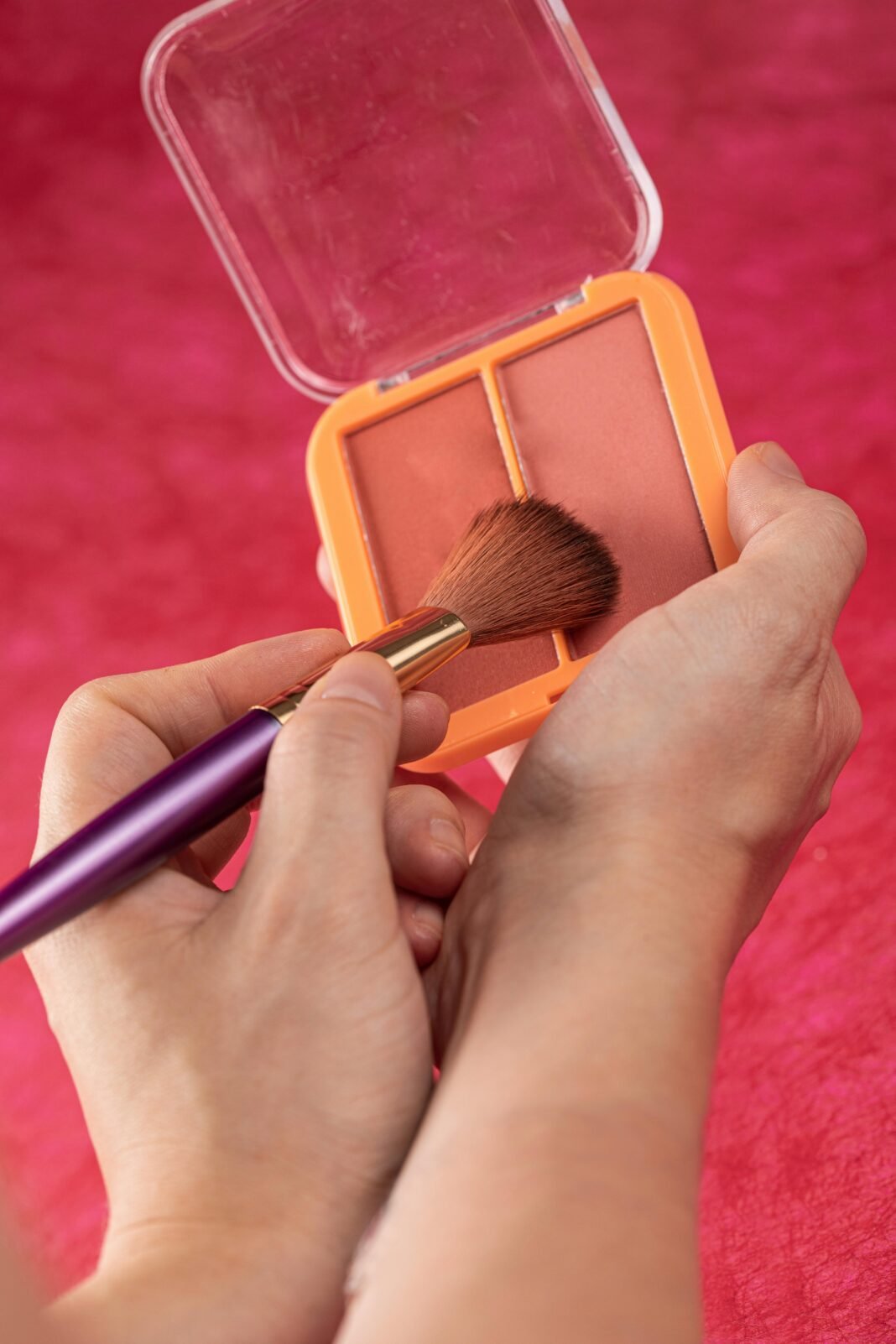
When testing blush in-store, it is advisable to evaluate shades under natural light, as the artificial lighting in stores can distort true colors. Begin by applying a small amount of blush on your wrist or the back of your hand to observe the pigmentation and tone. If you are trying multiple shades, consider wiping the excess product off your skin between applications to prevent any overlap, which could influence your perception of the color. Moreover, visiting the beauty counter during different times of the day can provide a better sense of how the blush performs under various lighting conditions.
If you prefer to experiment at home, take advantage of sample sizes or travel kits that brands often offer. This allows for more flexibility to try various products without committing to a full-size purchase. When testing blush, it is also beneficial to experiment with different application techniques. Utilizing brushes, fingers, or sponges can yield different finishes and intensities that may contribute to how a particular shade looks on your skin.
Understand that finding the right blush may require a certain degree of trial and error. Do not hesitate to step outside your comfort zone; sometimes, unexpected shades can enhance your features dramatically. Keeping a makeup journal can also be helpful in tracking your experiences with different products and techniques, guiding you toward your ultimate choice. By taking the time to test and experiment with blush, you can confidently select the product that best meets your needs and preferences.