

Introduction to DIY Natural Skincare
In recent years, the movement towards DIY natural skincare has gained significant traction, as individuals seek healthier alternatives to commercial products. This growing trend reflects a broader health-consciousness, coupled with an increasing awareness of the potential harmful effects of synthetic chemicals often found in skincare items. Many consumers are turning to homemade solutions that are not only free from harsh ingredients but also tailored to meet their specific skin needs.
One of the primary benefits of DIY natural skincare is the ability to avoid harmful chemicals that can exacerbate skin conditions or lead to irritation. Many commercial skincare products contain preservatives, fragrances, and artificial colors, which may cause adverse reactions. By crafting skincare solutions at home, individuals can select natural ingredients that have proven benefits for their skin type, ensuring a safer and gentler experience.
Furthermore, DIY natural skincare is generally more cost-effective compared to purchasing premium commercial products. Many natural ingredients, such as oils, butters, and essential oils, can often be sourced inexpensively and can serve as the foundation for a variety of skincare formulations. This not only reduces costs but also allows for the repurposing of leftover ingredients, promoting sustainability.
Another advantage of making skincare products at home is the level of customization available. Individuals can experiment with various formulations, creating products that suit their specific preferences and requirements. This personal touch is particularly appealing to those who may have unique skin concerns, allowing them to take control of their skincare routine. As consumers become increasingly health-conscious, the endeavor of DIY natural skincare offers an empowering avenue for achieving radiant, healthy skin without compromising values related to sustainability and wellness.
Essential Ingredients for DIY Skincare
Creating effective DIY natural skincare products requires a solid understanding of various essential ingredients. These ingredients not only provide beneficial properties but also enhance the overall efficacy of homemade formulations. Below are some foundational components commonly used in DIY skincare recipes:
Carrier Oils: Carrier oils serve as the base for many skincare formulations and facilitate the delivery of essential oils to the skin. Popular options include jojoba oil, known for its moisturizing properties, and sweet almond oil, which is rich in vitamins that nourish the skin. Coconut oil is another versatile choice; it contains fatty acids that offer hydration and antibacterial benefits, making it ideal for both dry and acne-prone skin.
Essential Oils: Essential oils are concentrated plant extracts that provide a range of therapeutic benefits. For instance, lavender oil is celebrated for its calming effects and its ability to promote skin healing. Tea tree oil, famed for its antibacterial properties, is often included in acne-fighting recipes. Other popular essential oils include eucalyptus, which can aid in reducing inflammation, and chamomile, known for its soothing qualities, making it suitable for sensitive skin.
Herbs: Incorporating herbs into skincare recipes can enhance their effectiveness due to their natural healing properties. Calendula is often used for its anti-inflammatory benefits, making it perfect for soothing irritated skin. Neem leaves have antibacterial and antifungal properties, which can help combat skin issues like eczema or psoriasis. Additionally, rosemary is known for its antioxidant properties, helping to protect the skin from free radicals.
Natural Exfoliants: Exfoliation is vital for maintaining healthy skin, and natural exfoliants such as sugar, ground oats, or coffee grounds are excellent choices. Sugar can provide gentle exfoliation, while ground oats can soothe the skin and help to remove dead skin cells without irritation. Coffee grounds not only slough away dead skin but also encourage circulation, enhancing the appearance of the skin.
Understanding these essential ingredients allows individuals to craft personalized skincare products that cater to their specific skin types and concerns. By carefully selecting and combining these components, DIY enthusiasts can create effective, natural skincare solutions in the comfort of their own homes.
Homemade Facial Cleansers
Creating your own facial cleansers at home can be a rewarding endeavor and an excellent way to ensure that you know exactly what is going onto your skin. Today, we will share three simple recipes for natural facial cleansers, highlighting their benefits and providing tips for optimal usage tailored to different skin types.
1. Honey and Lemon Cleanser
This cleanser is perfect for oily and acne-prone skin. Honey acts as a natural antibacterial agent, while lemon juice brightens the skin and helps to remove excess oil. To create this cleanser, combine 2 tablespoons of raw honey with the juice of half a lemon. Mix thoroughly until the consistency is smooth. Apply this mixture to your face, massaging gently in circular motions for about 2 minutes. Rinse off with warm water. Be cautious when using lemon on sensitive skin, as it may cause irritation.
2. Oatmeal and Yogurt Cleanser
Ideal for dry and sensitive skin, this gentle cleanser offers soothing properties. Oatmeal helps to exfoliate the skin without being harsh, while yogurt contains lactic acid, which hydrates and nourishes the skin. To prepare, blend 1/2 cup of plain yogurt with 1/4 cup of finely ground oatmeal until a paste forms. Apply this cleanser to your face and leave it on for 10-15 minutes before rinsing with lukewarm water. This will provide a nourishing treatment suitable for maintaining moisture levels.
3. Coconut Oil and Tea Tree Oil Cleanser
This recipe is excellent for combination skin. Coconut oil deeply moisturizes the skin while tea tree oil acts as a natural antiseptic. To make this cleanser, mix 2 tablespoons of coconut oil with 3-4 drops of tea tree oil. Apply a small amount to your face and massage gently for a few minutes, focusing on areas that need extra attention. Rinse off with warm water. Ensure you use pure, high-quality oils for the best results.
These homemade facial cleansers not only provide an effective cleaning solution but also enhance the overall health of your skin, making it a worthwhile addition to your DIY natural skincare routine.
Nourishing Face Masks You Can Create
Creating your own nourishing face masks at home can be an enriching experience, both for your skin and your creativity. By utilizing natural ingredients, you can customize each mask according to your skin types, such as dry, oily, or sensitive, while also targeting specific concerns like hydration, detoxification, or brightening.
One of the simplest yet effective recipes is the Avocado Honey Mask, designed to provide deep hydration. This mask leverages the nourishing properties of ripe avocado, which is rich in healthy fats, and the antibacterial qualities of honey. To prepare, mash one ripe avocado with two tablespoons of honey until smooth. Apply evenly on clean skin and leave it on for 15-20 minutes before rinsing with warm water. This mask not only hydrates but also soothes the skin, making it ideal for those with dry or flaky patches.
For a refreshing detoxifying option, consider the Charcoal Clay Mask. This mask is particularly beneficial for those struggling with oily skin or acne. Combine one tablespoon of activated charcoal powder with two tablespoons of bentonite clay and enough water to create a paste. Apply the mixture over your face, avoiding the eye area, and let it dry for about 10-15 minutes. Rinse thoroughly with warm water. This mask works to draw out impurities and excess oil, promoting a clearer complexion.
Lastly, a Brightening Yogurt and Turmeric Mask can do wonders for dull skin. Combine two tablespoons of plain yogurt with a pinch of turmeric powder and a teaspoon of lemon juice. Gently apply the mixture to your face and let it sit for 15 minutes. This mask not only brightens the skin but also provides a natural exfoliation, leaving your face looking radiant.
In summary, these nourishing face masks are easy to create and leverage the benefits of natural ingredients, allowing you to pamper your skin while reaping the benefits of DIY skincare.
Moisturizers and Serums for Glowing Skin
Creating natural moisturizers and serums at home offers an effective and organic alternative to commercial skincare products. These homemade recipes allow individuals to select ingredients tailored specifically to their skin types, promoting a lively and radiant complexion. Popular choices such as jojoba oil, almond oil, and shea butter are well-known for their hydrating properties and compatibility with various skin types. Jojoba oil, for instance, closely resembles the sebum produced by our skin, making it an excellent choice for hydration without clogging pores.
One effective moisturizer recipe consists of combining equal parts of jojoba oil and shea butter, infused with a few drops of essential oils like lavender or rosehip, which provide additional benefits for skin regeneration. The shea butter adds a creamy texture, while the jojoba oil ensures that the mixture remains light and easily absorbed. To use, simply apply a small amount to damp skin post-cleansing to lock in moisture.
Serums can further enhance your skincare routine by utilizing concentrated oils that nourish and revitalize the skin. A simple serum can be made by mixing argan oil with a few drops of vitamin E oil, which acts as a powerful antioxidant. This combination supports collagen production and improves skin elasticity. To apply, use a dropper to dispense a few drops onto the fingertips, gently pressing and massaging the serum into the skin to promote absorption.
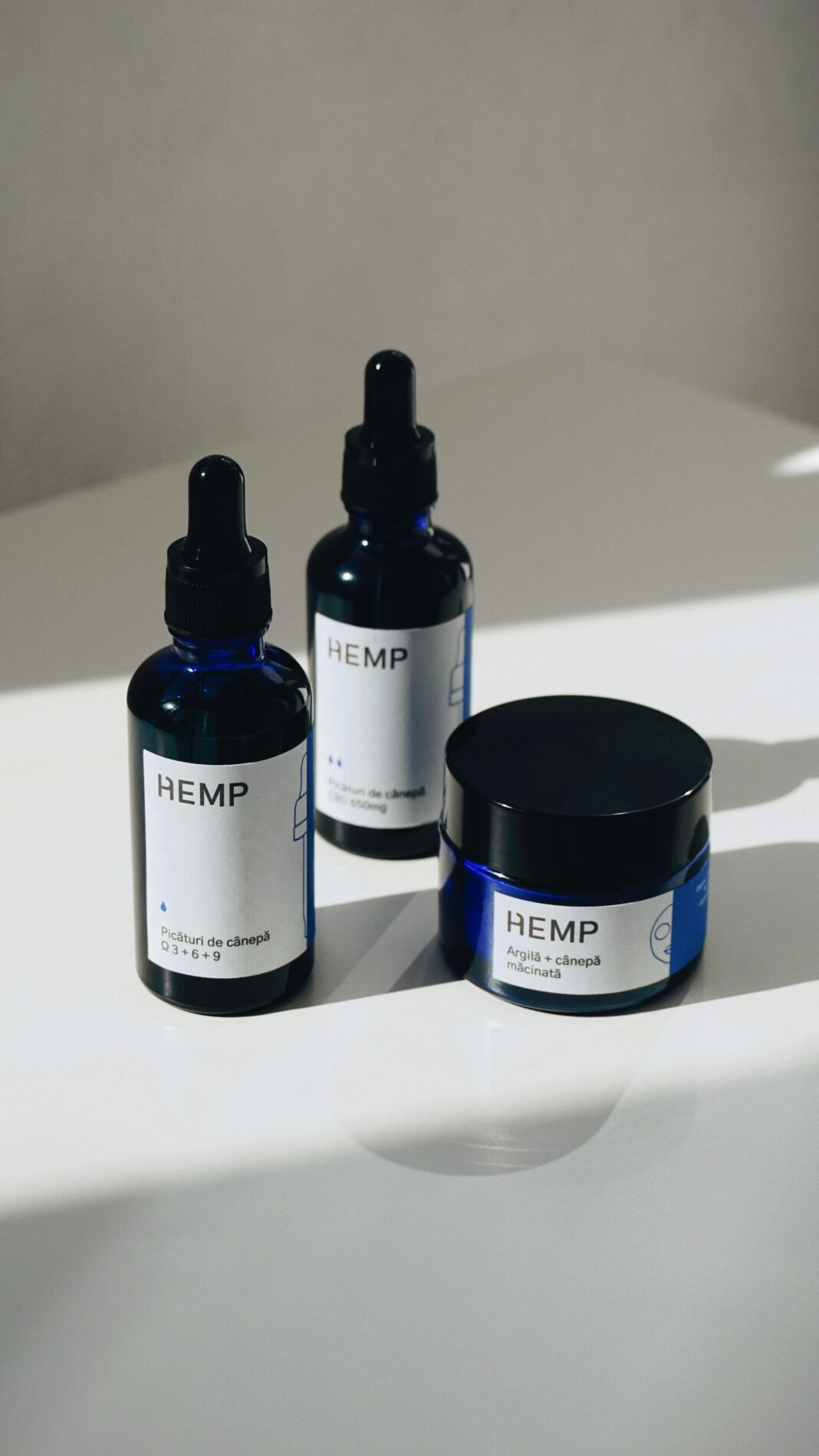
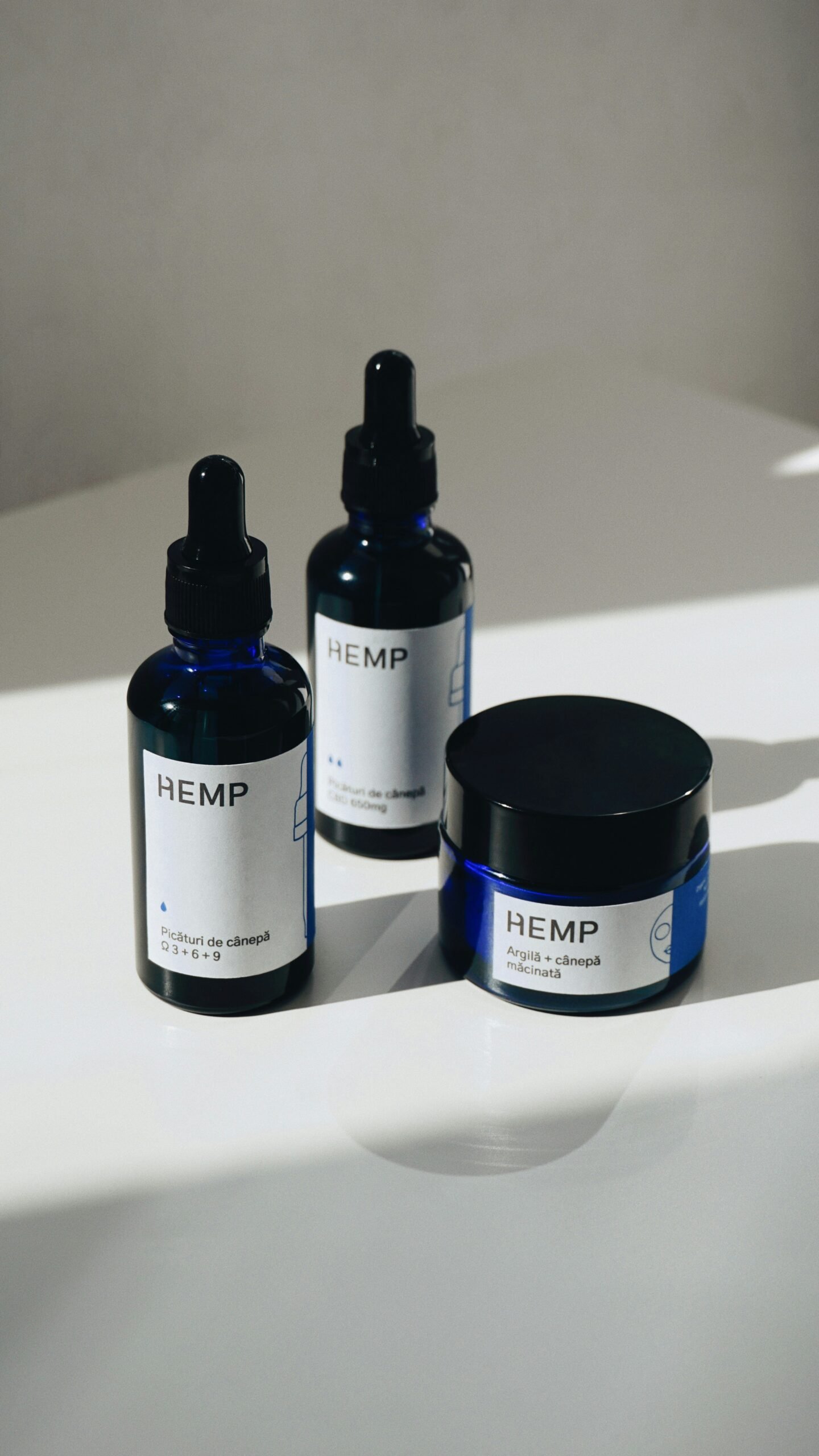
For proper storage, it is advisable to use dark glass containers to protect the oils from light, ensuring their longevity and potency. Keeping these natural products in a cool, dry place will further enhance their shelf life. Developing a skincare routine with these homemade moisturizers and serums not only fosters healthier skin but also emphasizes the advantages of natural ingredients in promoting a luminous and well-nourished complexion.
Natural Exfoliants and Scrubs
Exfoliation is a fundamental step in any comprehensive skincare routine. It serves to remove dead skin cells from the skin’s surface, promoting cell turnover and revealing fresh, radiant skin beneath. Regular exfoliation can enhance the skin’s texture, balance oil production, and allow for better absorption of other skincare products. By utilizing natural exfoliants, individuals can achieve these benefits without the harsh chemical ingredients often found in commercial products.
One effective natural exfoliant is a sugar scrub. Combining equal parts of granulated sugar and coconut oil can create a gentle yet effective scrub that nourishes the skin while simultaneously sloughing off dead cells. To use, simply apply the mixture to damp skin in circular motions, focusing on areas that may need extra attention. This scrub can be used 1-2 times a week, depending on skin sensitivity.
For those with sensitive skin, an oatmeal scrub may be a more suitable option. Ground oats are naturally soothing and can be blended with honey and a bit of water to form a paste. Gently massage the mixture onto the face for about five minutes before rinsing. This natural exfoliant can be applied weekly, providing both exfoliation and hydration.
Another excellent choice is a coffee ground scrub, which not only helps remove dead skin cells but also stimulates blood circulation. To create this scrub, mix used coffee grounds with olive oil. Scrub the mixture on your body in the shower, allowing the coffee to invigorate your skin. This can be done once a week for a revitalizing effect.
Incorporating these natural exfoliants and scrubs into your skincare routine can yield significant improvements in skin health and appearance. By choosing ingredients rich in nutrients and free from harmful chemicals, you are ensuring that your skin receives the care it deserves.
Soothing Body Treatments
Creating your own soothing body treatments at home can be a rewarding experience, allowing you to tailor the ingredients to your specific skin needs. Utilizing natural ingredients not only helps to nourish the skin but also minimizes exposure to harsh chemicals commonly found in commercial products. This section will explore a variety of DIY recipes to help you achieve soft, healthy skin through the use of scrubs, butters, and lotions.
One popular option is a simple sugar scrub, which can effectively exfoliate and hydrate the skin. To prepare, combine equal parts of granulated sugar and a nourishing oil, such as coconut or olive oil. For additional benefits, consider adding a few drops of essential oil, like lavender or tea tree oil, which can provide soothing properties. Gently massage the scrub onto damp skin in circular motions, paying particular attention to areas that often become rough, such as elbows and knees. Rinse off after a few minutes to reveal refreshed, soft skin.
For those looking to deeply moisturize, a homemade body butter can be an excellent choice. Combining shea butter, coconut oil, and a few drops of essential oils creates a luxurious, hydrating solution. Melt equal parts of shea butter and coconut oil together, let it cool slightly, and whip until fluffy. This body butter can be applied after a shower to seal in moisture and can be particularly beneficial for dry skin or seasonal skin concerns.
Lastly, a calming lotion can help alleviate irritated skin. Combine aloe vera gel with vitamin E oil and a carrier oil of your choice, such as almond or avocado oil. Apply the lotion liberally to areas of irritation or dryness. Results will not only nourish the affected area but will also provide a cooling sensation, making it ideal for soothing sunburn or other skin irritations. By experimenting with these recipes, you can create customized body treatments that enhance your overall body care routine.
Tips for Safe and Effective Natural Skincare
Creating DIY natural skincare products at home can be both rewarding and enjoyable, but it is imperative to follow certain guidelines to ensure safety and effectiveness. First and foremost, gather your ingredients and necessary tools in a clean environment. This not only promotes hygiene but also ensures that your skincare products remain free from contaminants. Before starting your DIY project, sanitize all containers, utensils, and surfaces to reduce the risk of bacteria or mold growth.
When selecting ingredients for your natural skincare recipes, it is crucial to choose high-quality, organic sources whenever possible. This minimizes the chance of exposure to harmful chemicals and allergens. Furthermore, familiarize yourself with common allergens that may be present in various natural ingredients, such as essential oils or botanical extracts. Researching these components will help you avoid adverse reactions, especially if you or anyone else using the product has known sensitivities.
Conducting a patch test is another essential step when introducing a new homemade skincare product into your routine. Apply a small amount of the product to a discreet area of skin, such as the inner elbow, and wait for 24 hours. Observe for any signs of irritation, such as redness or itching. If there is no adverse reaction, it is generally safe to use the product more widely.
Maintaining proper storage of your homemade skincare items is equally important. Choose dark, glass containers whenever possible, as they help protect against light exposure that can degrade the ingredients. Store your products in a cool, dry place, and always clearly label each container with the date of creation and a list of ingredients. This cautious approach will enhance the longevity and effectiveness of your DIY natural skincare products, ensuring a pleasant experience for all users.
Conclusion: Embrace Your Natural Beauty Routine
Embracing a DIY natural skincare routine presents an enriching opportunity to foster a deeper connection with your skin and overall wellbeing. The process of creating your own skincare products allows for a personalized approach that is not often found in commercial products, which can be filled with synthetic ingredients and harsh chemicals. By taking the time to craft your own natural formulations, you can tailor these remedies to suit your skin type, sensitivities, and preferences, ultimately leading to healthier skin.
Moreover, engaging in the creation of your own skincare products can be therapeutic. The act of mixing natural ingredients such as oils, butters, and herbs can serve as a mindful practice, reducing stress and enhancing your overall self-care routine. As you experiment with various recipes and combinations, you not only develop a customized skincare regimen but also embrace the knowledge of what ingredients truly benefit your skin. This level of engagement often results in greater satisfaction and pride in your beauty choices.
Additionally, adopting natural skincare practices can extend beyond just cosmetic benefits. Many natural ingredients possess nourishing properties that support skin health, from hydration to anti-aging effects. Utilizing these natural elements, which are often found in your kitchen or local health store, ensures that you are making conscious choices that promote sustainability and environmental stewardship.
As you embark on this journey, consider integrating these DIY skincare recipes into your regular beauty routine. By doing so, you not only enhance your skin’s appearance but also contribute to a more holistic approach to your health and wellness. In summary, embracing a natural beauty routine is a rewarding endeavor that fosters creativity, self-awareness, and a commitment to caring for your skin and yourself. It encourages you to recognize and appreciate the beauty of nature and how it can seamlessly blend into your daily life.