

Understanding Sensitive Skin
Sensitive skin is a common condition that can affect individuals of all ages and backgrounds. It is characterized by heightened reactions to various stimuli, including environmental factors, skincare products, and even underlying health issues. This skin type differs significantly from others, as it often has a compromised skin barrier, making it less resilient to irritants and allergens. Unlike normal skin, which can tolerate a wide range of substances, sensitive skin typically reacts with symptoms such as redness, itching, burning sensations, and dryness.
Individuals with sensitive skin frequently experience flare-ups that can be triggered by multiple factors. Environmental elements such as extreme temperatures, humidity, pollution, and sun exposure can exacerbate sensitivity. Additionally, certain skincare products—including those containing fragrances, alcohol, and harsh chemicals—may lead to irritation and discomfort. It is crucial for those with sensitive skin to evaluate the ingredients in their products carefully, as even popular formulations may not be suitable.
Underlying health conditions can also contribute to the sensitivity of the skin. Conditions such as eczema, rosacea, and allergic reactions can lead to heightened skin sensitivity. In these cases, the skin’s ability to function as a protective barrier is compromised, resulting in increased vulnerability to external irritants and allergens. Individuals may notice that symptoms vary depending on lifestyle factors, including stress levels or dietary habits, which can also impact skin health.
Overall, understanding sensitive skin requires acknowledging its unique characteristics and triggers. By recognizing the specific symptoms and potential causes of sensitivity, individuals can take appropriate measures to protect their skin and mitigate adverse reactions. This foundational insight serves as the basis for selecting suitable skincare routines and products that cater to the needs of sensitive skin.
Choosing the Right Products
Selecting appropriate skincare products is crucial for individuals with sensitive skin, as these formulas can significantly impact overall skin health. Softening and soothing properties should be prioritized, making it essential to look for products that contain calming agents such as aloe vera, chamomile, and oatmeal. These ingredients are known for their anti-inflammatory benefits and ability to alleviate irritation, thereby providing a gentle approach to skincare. Additionally, it is advisable to select hypoallergenic formulas, specifically developed for sensitive skin, to minimize the risk of adverse reactions.
In contrast, certain ingredients can exacerbate issues associated with sensitive skin and must be avoided. Fragrances, for instance, are common allergens that can lead to redness, itching, or rash in delicate skin types. Hence, opting for fragrance-free options is paramount. Similarly, alcohol-containing products can strip the skin of its natural moisture, resulting in dryness and increased sensitivity. It is vital to identify and steer clear of these harmful components when choosing suitable products.
A key practice in selecting skincare items is to read product labels meticulously. Ingredients are listed in descending order of quantity, thus making it easier to determine the formulation’s suitability. Additionally, it is prudent to conduct patch tests before using new formulations extensively. Applying a small amount of the product on a discreet area, such as the inner arm, can help gauge the skin’s response. If no reaction occurs within 24 hours, the product may be deemed safe for more widespread application. Ultimately, thoughtful selection of skincare products can lead to improved outcomes for sensitive skin.
Creating a Gentle Cleansing Routine
For individuals with sensitive skin, establishing a gentle cleansing routine is paramount to maintaining skin health. Due to its delicate nature, sensitive skin can react adversely to harsh ingredients and aggressive cleansing techniques, leading to irritation, redness, and discomfort. Therefore, selecting the appropriate cleanser is the first step in this essential skincare practice.
When choosing a cleanser, it is advisable to opt for products that are free of alcohol, fragrances, and other irritating chemicals. Look for formulations labeled as hypoallergenic or specifically designed for sensitive skin; these are typically more soothing and less likely to provoke an adverse reaction. Ingredients such as aloe vera, chamomile, and glycerin can provide additional calming effects, helping to keep sensitive skin nourished and hydrated.
Once the right cleanser is chosen, it is crucial to follow best practices while washing the face. Begin by dampening the skin with lukewarm water, as hot water can strip natural oils and exacerbate dryness. Apply the cleanser gently using the fingertips, avoiding any aggressive scrubbing or wiping motions. Instead, employ soft, circular motions to cleanse the skin effectively. Rinse thoroughly with lukewarm water to ensure all product residue is removed.
Frequency is another important consideration in a gentle cleansing routine. For most individuals with sensitive skin, cleansing twice a day—once in the morning and once in the evening—is adequate. Over-cleansing, which may occur when more frequent washes are performed, can disrupt the skin barrier, leading to excessive dryness and sensitivity. Listening to your skin’s needs and adjusting your routine accordingly is crucial to preserving its overall health.
By following these guidelines, individuals with sensitive skin can create a gentle cleansing routine that minimizes irritation and promotes a balanced complexion.
Moisturizing for Sensitive Skin
Maintaining optimal hydration is essential for individuals with sensitive skin, as this skin type is particularly prone to dryness and irritation. A well-chosen moisturizer plays a critical role in reinforcing the skin barrier function, which can become compromised due to environmental factors, allergens, or harsh products. By forming a protective layer on the skin, a quality moisturizer helps to lock in moisture and prevent transepidermal water loss, which is vital for achieving smooth, comfortable skin.
When selecting a moisturizer for sensitive skin, it is crucial to look for products marketed as hypoallergenic, fragrance-free, and formulated with gentle, nourishing ingredients. Ingredients such as hyaluronic acid, ceramides, and glycerin are highly beneficial, as they provide deep hydration and bolster the skin’s natural barrier. Additionally, products containing soothing ingredients like aloe vera, chamomile, or calendula can help reduce inflammation and redness commonly associated with sensitivity.
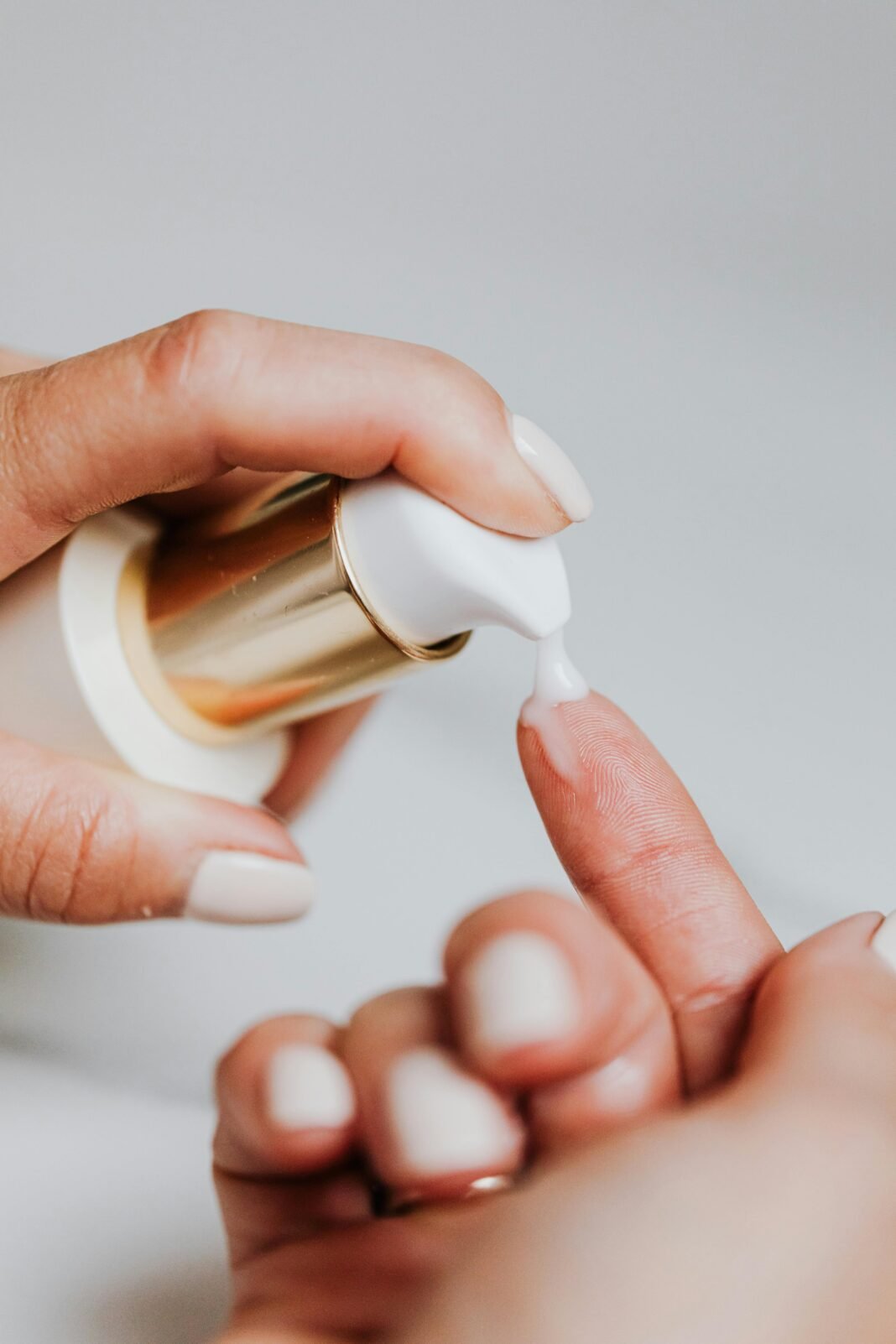
The application of moisturizer is equally important. It is advisable to apply the product immediately after cleansing the skin, while it is still slightly damp. This strategy helps to trap moisture and maximize hydration benefits. Utilize a pea-sized amount and gently massage it into the skin using upward, circular motions. This technique not only enhances absorption but also stimulates circulation, further contributing to skin health.
Moreover, consider the frequency of application throughout the day. For those with highly sensitive skin, moisturizing twice daily—once in the morning and once at night—can significantly improve skin texture and comfort. If you’re exposed to harsh environments, such as cold weather or air conditioning, additional applications may be warranted to maintain adequate hydration levels.
Ensuring your sensitive skin stays moisturized is a fundamental practice that can lead to improved overall skin health and a reduction in irritation. In summary, selecting the right product and adhering to an appropriate application routine can make a significant difference in managing sensitive skin effectively.
Incorporating Exfoliation Wisely
Exfoliation is a crucial step in any skincare routine, especially for individuals with sensitive skin. The process of removing dead skin cells can enhance skin texture, promote cell turnover, and allow for better absorption of other skincare products. However, for those with sensitive skin, incorporating exfoliation must be approached with caution to avoid irritation and adverse reactions.
One of the primary benefits of exfoliation for sensitive skin is the potential to enhance the overall appearance of the skin by helping to prevent clogged pores and dullness. However, the wrong choice of exfoliating methods can lead to excessive dryness, redness, or even chemical burns. Therefore, it is advisable to prioritize gentle exfoliation techniques over harsher physical scrubs, which can further aggravate sensitive skin. Chemical exfoliants, such as those containing alpha hydroxy acids (AHAs) or beta hydroxy acids (BHAs), offer a milder alternative. These substances work to dissolve dead skin cells without the abrasive action that often accompanies traditional scrubs.
When choosing an exfoliant, it is essential to consider the formulation and ensure it is designed for sensitive skin. Look for products labeled as “gentle” or “for sensitive skin” to minimize the risk of irritation. It is also wise to conduct a patch test when trying a new exfoliant to observe how your skin reacts before applying it to your entire face.
As for the frequency of exfoliation, it is generally recommended that individuals with sensitive skin limit exfoliation to once or twice a week. Over-exfoliation can strip the skin of its natural barriers, leading to increased sensitivity and vulnerability. When applying the exfoliant, use a soft touch without excessive pressure, and rinse thoroughly to remove any residue. With the right approach, exfoliation can be a beneficial part of a sensitive skincare regimen.
Sun Protection Essentials
Sun protection is a crucial component of any skincare routine, especially for individuals with sensitive skin. Sensitive skin is more susceptible to the harmful effects of ultraviolet (UV) radiation, which can lead to irritation, sunburn, and long-term skin damage. Thus, employing effective sun protection methods is essential to maintain skin health and prevent adverse reactions.
When selecting sunscreen for sensitive skin, one may come across two primary types: physical and chemical sunscreens. Physical sunscreens, often containing ingredients such as zinc oxide or titanium dioxide, provide a physical barrier that reflects UV rays. These formulations are generally well-tolerated by sensitive skin, making them a preferred option. On the other hand, chemical sunscreens absorb UV radiation and convert it into heat. While many find them effective, certain chemical ingredients may provoke irritation in sensitive individuals. Therefore, it is wise to choose products specifically formulated for sensitive skin, which usually incorporate gentler ingredients.
Understanding SPF (Sun Protection Factor) is another essential aspect of sun protection. A higher SPF offers greater protection against UVB rays, which are primarily responsible for sunburn. For sensitive skin, it is advisable to use a broad-spectrum sunscreen with at least SPF 30, as this level effectively blocks approximately 97% of UVB rays. Given the potential for skin sensitivity, a higher SPF may provide additional reassurance.
Furthermore, proper reapplication of sunscreen is vital for maintaining its effectiveness throughout the day. It is recommended to reapply every two hours, or immediately after swimming or sweating. For convenience, individuals may opt for sunscreen sprays or sticks for easy application. By incorporating sun protection into daily skincare routines, those with sensitive skin can help safeguard their skin against the harmful effects of sun exposure.
Adapting Your Routine with Seasonal Changes
Sensitive skin often reacts distinctly to seasonal changes, necessitating thoughtful adjustments to skincare routines. During colder months, skin tends to lose moisture, leading to dryness, irritation, and a compromised skin barrier. In contrast, summer brings increased humidity which can overwhelm sensitive skin, triggering breakouts and exacerbating oiliness. Therefore, understanding the impacts of each season is crucial for maintaining the health of sensitive skin.
In winter, it’s essential to focus on hydration and barrier protection. Switching to a thicker moisturizer that contains ingredients such as ceramides or hyaluronic acid can help retain moisture. Additionally, using a gentle, hydrating cleanser can prevent stripping the skin of its natural oils. Consider incorporating a humidifier into your environment to counteract dry indoor air, which can further contribute to skin dryness. Always remember to apply sunscreen, even in winter, as UV exposure can damage sensitive skin.
As the seasons transition to spring and summer, the focus shifts towards balancing hydration and oil control. Opt for lightweight, non-comedogenic moisturizers that still provide ample hydration without being too heavy. Gel-based products often serve as effective options for sensitive skin, ensuring it remains hydrated yet breathable. It is also imperative to adjust your sun protection because increased sun exposure during the summer can lead to irritation and sunburn. A sunscreen specifically formulated for sensitive skin can shield against UV rays while minimizing the risk of irritation.
As you transition between these seasonal skincare essentials, it is advisable to introduce new products gradually. This helps to monitor any potential adverse reactions and minimizes the risk of irritation. Observing how your skin responds to these changes can play a pivotal role in maintaining its balance and health throughout the year.
Lifestyle Habits for Skin Health
Maintaining skin health, especially for individuals with sensitive skin, extends beyond topical applications; it encompasses various lifestyle habits. One of the foremost contributors to skin vitality is diet. Consuming a balanced diet rich in antioxidants, vitamins, and minerals can significantly enhance skin resilience. Foods high in omega-3 fatty acids, such as fatty fish, walnuts, and flaxseeds, can help reduce inflammation and maintain skin barrier integrity, making them particularly beneficial for those prone to sensitivities.
Another crucial factor is hydration. Water intake plays a pivotal role in skin health by keeping it supple and preventing dryness, which is a common issue for sensitive skin types. It is advisable to consume ample water throughout the day, as well as include hydrating foods like cucumbers and oranges in meals. Additionally, certain beverages, such as herbal teas, can provide soothing effects while contributing to overall hydration.
Stress management is also essential in promoting skin health. Chronic stress can lead to skin flare-ups, exacerbating conditions such as eczema or rosacea. Techniques such as mindfulness, meditation, and yoga can help alleviate stress and its negative impacts on the skin. Regular physical activity is also an effective way to manage stress levels and improve circulation, enhancing the skin’s overall appearance.
Finally, quality sleep is often an overlooked aspect of skincare. During sleep, the body undergoes repair and rejuvenation processes, including for the skin. Aiming for seven to nine hours of restorative sleep each night can contribute to a healthier complexion and reduced sensitivity. By incorporating these lifestyle habits into daily routines, individuals with sensitive skin can promote overall skin health and minimize adverse reactions.
When to Seek Professional Help
Individuals with sensitive skin often encounter various challenges that can significantly impact their daily lives. Certain signs and symptoms may indicate the need to consult a professional, particularly a dermatologist. Recognizing these indicators can be crucial to maintaining skin health and addressing any underlying conditions effectively.
One of the primary reasons to seek professional help is the appearance of persistent redness or inflammation. While occasional irritation can occur due to environmental factors or product usage, ongoing redness might be a sign of an underlying skin condition such as rosacea or eczema. These conditions often require medical intervention to manage and treat effectively, as they can exacerbate sensitivity and discomfort.
Allergic reactions are another key concern that warrants a visit to a dermatologist. Symptoms such as intense itching, swelling, or hives following exposure to a new skincare product or ingredient should not be ignored. A professional can provide proper assessment, conduct allergy tests if necessary, and recommend suitable products that minimize potential irritants. Additionally, those experiencing severe reactions, such as blistering or peeling, should seek immediate medical attention to prevent complications.
Moreover, if sensitive skin concerns persist despite trying various over-the-counter remedies, it may be time to seek professional guidance. A dermatologist can evaluate skin health in a comprehensive manner, offering tailored advice and possibly prescription treatments that address specific needs. This personalized approach can often lead to more effective management of sensitive skin and improvement in quality of life.
In conclusion, being attuned to one’s skin and recognizing signs that may require professional help is essential for individuals with sensitive skin. Early intervention can lead to better outcomes and a more comfortable skincare experience.