


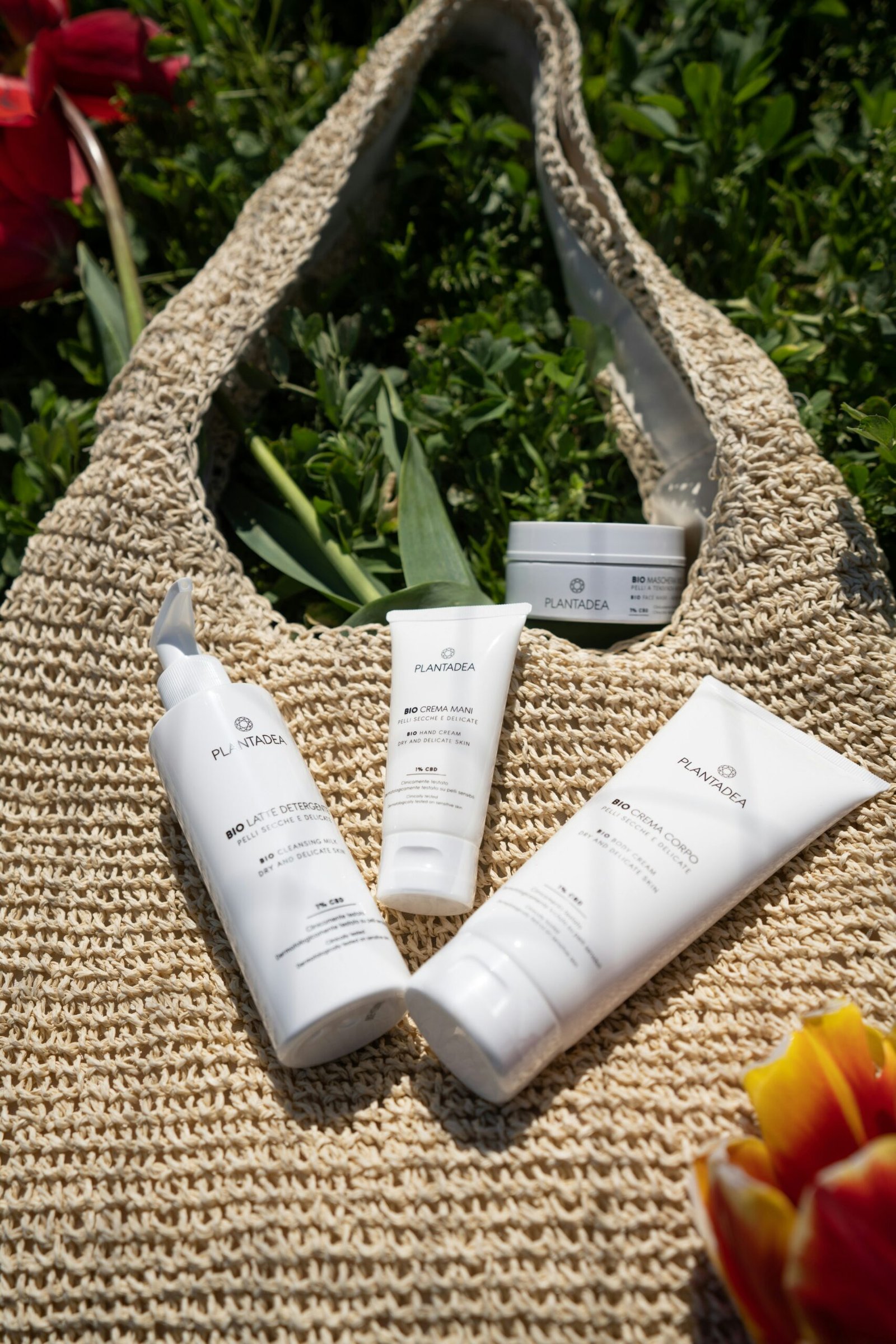
Introduction to Herbal Remedies
Herbal remedies refer to the use of plants and their extracts to promote health and treat various conditions, including common skin issues. This practice has a rich history that dates back thousands of years, with ancient civilizations such as the Egyptians, Greeks, and Chinese employing herbal ingredients to address skin ailments. These natural solutions were often revered not merely for their efficacy but also for their harmonious relationship with the body, indicating a profound understanding of holistic health concepts.
In contemporary society, there is a noticeable shift towards natural and holistic approaches in the skincare industry, reflecting a growing awareness of the potential side effects associated with synthetic products. Many consumers are now opting for herbal remedies as a more gentle and effective alternative for managing skin problems such as acne, eczema, and psoriasis. This rising trend stems from the recognition that herbal ingredients often possess anti-inflammatory, antibacterial, and antioxidant properties that can significantly benefit skin health.
The integration of herbal remedies into modern skincare regimens holds numerous benefits. For one, these solutions are generally less irritating than chemical counterparts, making them suitable for sensitive skin types. Additionally, various herbs have been identified for their specific qualities; for instance, aloe vera is known for its soothing properties, while tea tree oil is often utilized for its antimicrobial capabilities. As a result, individuals seeking effective skin care options are turning towards these natural remedies, appreciating not only their effectiveness but also their sustainable nature. The growing body of research supporting the use of such remedies has helped further cement their place in the realm of skin health, paving the way for future innovations in eco-conscious skincare solutions.
Understanding Common Skin Issues
Skin issues are prevalent among individuals and can range from mild irritations to severe conditions that affect overall well-being. Among the most common skin issues are acne, eczema, psoriasis, dry skin, and sunburn.
Acne is primarily a condition that affects the oil glands at the base of hair follicles. It often arises during adolescence due to hormonal changes, but adults can also experience it. Its symptoms include pimples, blackheads, and cysts, which can cause significant psychological distress and affect self-esteem. Factors contributing to acne include excess oil production, bacteria, clogged pores, and hormonal fluctuations.
Eczema, on the other hand, is characterized by inflammation of the skin, leading to red, itchy patches. This chronic condition can be triggered by allergens, irritants, or stress, and commonly appears in children. Symptoms may vary widely, affecting the skin’s appearance and comfort and significantly impacting daily activities.
Psoriasis is another chronic autoimmune condition that accelerates skin cell production, resulting in thick, red patches covered with silvery scales. It can cause discomfort, itching, and pain, and is thought to be linked to genetic factors and environmental triggers. Psoriasis can also influence the quality of life, as it may cause emotional and physical distress.
Dry skin, or xerosis, occurs when the epidermis lacks moisture. This condition can result from environmental factors like cold weather or excessive bathing. Symptoms include tightness, scaling, and sometimes cracking of the skin. Individuals with pre-existing skin issues may find dry skin exacerbating their condition.
Finally, sunburn results from overexposure to ultraviolet radiation from the sun, leading to inflammation and reddening of the skin. Symptoms typically include pain, swelling, and peeling, which can vary in severity based on exposure levels.
Understanding these common skin issues establishes a foundation to explore various herbal remedies that may offer relief and promote healthier skin.
The Power of Aloe Vera
Aloe vera, a succulent plant renowned for its myriad of health benefits, is increasingly gaining recognition in the realm of skincare. Its gel-like substance is packed with vitamins, enzymes, and amino acids, making it a powerful ally in the treatment of various skin issues such as sunburn, acne, and dryness. One of the most notable attributes of aloe vera is its anti-inflammatory properties, which help soothe and heal irritated skin. When applied to sunburned areas, aloe vera can provide immediate relief, reducing redness and discomfort while promoting faster healing.
In addition to its soothing capabilities, aloe vera is known for its moisturizing properties. Unlike many conventional moisturizers that may clog pores or cause irritation, aloe vera absorbs quickly into the skin, delivering hydration without greasiness. This quality makes it an ideal choice for individuals with oily or acne-prone skin. The plant contains salicylic acid, a natural compound that can help prevent acne breakouts by unclogging pores and reducing inflammation. For this reason, incorporating aloe vera into a daily skincare regimen can significantly benefit those struggling with acne.
Incorporating aloe vera into daily skincare routines can be both simple and effective. Fresh aloe vera gel can be harvested from the leaves of the plant and applied directly to the skin. For added convenience, many commercial products are available, such as lotions and creams that contain aloe vera as a key ingredient. Additionally, aloe-vera-infused face masks can serve as excellent home remedies, offering a relaxing spa experience while delivering the skin benefits of this remarkable plant.
In summary, the power of aloe vera in skincare is undeniable. Its multifaceted properties are particularly beneficial for treating common skin issues, making it a valuable addition to any skincare regimen.
Chamomile: The Calming Herb
Chamomile, a widely recognized herb known for its gentle and calming properties, has been utilized for centuries to address various skin issues. Its anti-inflammatory characteristics make it particularly effective for soothing irritated skin, offering relief from conditions such as eczema and dermatitis. The herb contains compounds such as chamazulene and bisabolol, which contribute to its potent anti-inflammatory effects, thereby aiding in the reduction of redness, swelling, and discomfort associated with many skin ailments.
One of the most popular ways to harness the benefits of chamomile is through the preparation of chamomile tea. This tea can be infused and then cooled, after which it can be applied topically to affected areas of the skin. The soothing effects of the tea help to diminish inflammation and promote healing. It is essential to ensure that the tea is brewed correctly and allowed to cool to a comfortable temperature before applying it to the skin to avoid further irritation.
Another effective method of using chamomile is through creams and lotions that incorporate chamomile extract. These topical products are specifically formulated to deliver the calming properties of chamomile directly to the skin. When applied regularly, they can significantly alleviate symptoms associated with irritated and sensitive skin. Additionally, compresses made from chamomile-infused water can provide rapid relief; simply soak a clean cloth in the tea and place it on the affected skin for a soothing treatment.
Furthermore, chamomile essential oil can be utilized, although it should be diluted with a carrier oil before application to avoid potential skin sensitivity. By integrating chamomile into one’s skincare routine, individuals can effectively manage their skin concerns while harnessing the natural healing powers of this remarkable herb. The versatility of chamomile as an ingredient in various formats makes it a valuable ally in the pursuit of healthy and calm skin. In conclusion, through its healing abilities, chamomile serves as a practical and beneficial remedy for those seeking relief from common skin issues.
Tea Tree Oil: Nature’s Antiseptic
Tea tree oil, derived from the leaves of the Melaleuca alternifolia tree, is renowned for its potent antiseptic properties. This essential oil has gained popularity in the realm of skincare, particularly for addressing common issues like acne and fungal infections. The active compounds found in tea tree oil, such as terpinen-4-ol, are known to exhibit significant antibacterial, antifungal, and anti-inflammatory effects, making it a versatile addition to any skincare regimen.
When it comes to treating acne, tea tree oil works by penetrating the skin and targeting the bacteria that cause outbreaks. Its antibacterial properties help to reduce inflammation and redness, ultimately promoting clearer skin. Clinical studies have shown that a 5% tea tree oil gel can effectively decrease acne lesions with a lower risk of side effects compared to traditional treatments, such as benzoyl peroxide. Furthermore, because of its natural formulation, tea tree oil is often better tolerated by sensitive skin types.
For fungal infections, tea tree oil’s antifungal capabilities come into play. It can be used to address conditions such as athlete’s foot, ringworm, and nail fungus. The oil inhibits the growth of fungal organisms, promoting healing and reducing discomfort. To safely incorporate tea tree oil into a skincare routine, dilution is crucial. It is recommended to mix a few drops of tea tree oil with a carrier oil, such as coconut or jojoba oil, before applying it directly to the affected areas. This practice helps to minimize potential skin irritation while maximizing the oil’s efficacy.
In conclusion, tea tree oil emerges as a powerful, natural remedy for common skin issues, particularly acne and fungal infections, relying on its antiseptic properties to restore skin health. By understanding how to effectively use this essential oil, individuals can embrace a holistic approach to skincare.
Lavender for Skin Healing
Lavender, known for its soothing fragrance, is also acclaimed for its remarkable healing properties, particularly in the realm of skincare. Renowned for its antiseptic and anti-inflammatory characteristics, lavender is effective in promoting skin healing and minimizing scarring. The essential oil, derived from the flowers of the lavender plant, has been utilized for centuries in traditional medicine and is now widely recognized in modern skincare practices.
One of the standout qualities of lavender essential oil is its capacity to assist in the treatment of minor burns and insect bites. When applied topically, this oil can provide relief from pain and irritation, thanks to its calming effects on both the skin and the nervous system. The antiseptic properties of lavender help to cleanse the affected area, reducing the risk of infection, while its anti-inflammatory nature aids in reducing redness and swelling, which are common responses to skin trauma.
To integrate lavender essential oil into skincare routines, it can be diluted with a carrier oil, such as coconut oil or jojoba oil, to enhance its application safety. This mixture can be applied gently to minor burns or insect bites, allowing the healing properties of lavender to penetrate the skin effectively. Additionally, incorporating lavender into soothing lotions or creams can further enhance its benefits, providing a calming, healing touch to the skincare regimen.
Beyond just treating existing skin issues, regular use of lavender essential oil may improve the overall appearance of the skin by promoting a more radiant complexion. Its nurturing qualities can help to balance skin tone and texture, making it a valuable addition to any natural skincare routine. As more people seek holistic methods for self-care, lavender remains a prominent choice for those looking to harness the power of nature in their quest for healthier skin.
Using Calendula for Inflammation and Healing
Calendula, also known as marigold, is a flowering plant that has long been recognized for its medicinal properties, particularly its use in treating various skin issues. Its anti-inflammatory and antiseptic characteristics make it an excellent natural remedy for inflamed and sensitive skin. Traditionally, calendula extracts are employed to aid in healing minor wounds, cuts, and skin irritations, providing a soothing effect that can be highly beneficial for conditions such as eczema, psoriasis, and dermatitis.
The primary healing properties of calendula stem from its rich content of flavonoids and carotenoids, which are known to promote tissue repair and enhance skin hydration. When applied topically, calendula can stimulate the production of collagen, thereby contributing to the overall health and resilience of the skin. Additionally, its antimicrobial attributes help to prevent infections in damaged skin, making it a safe choice for individuals with compromised skin barriers.
Creating a topical application with calendula is relatively simple and can be accomplished through various methods. One common approach is to prepare a calendula-infused oil. To make this, dried calendula flowers can be combined with a carrier oil, such as olive or coconut oil, and gently heated for several hours. This process allows the beneficial properties of the flowers to infuse into the oil, which can then be applied directly to the affected area for relief. Alternatively, calendula ointments or salves can be created by blending the infused oil with beeswax, providing a thicker consistency that can be more effective for targeted treatment.
Calendula is regarded as safe for all skin types, including sensitive skin. Nonetheless, it is always advisable to conduct a patch test before trying any new topical remedy. Ultimately, incorporating calendula into one’s skincare routine can offer considerable benefits, promoting healing and reducing inflammation while embracing the natural power of herbal remedies.
Turmeric: The Golden Healer
Turmeric, often referred to as the “golden spice,” has garnered significant attention in the realm of skin care due to its exceptional anti-inflammatory and antioxidant properties. The active compound found in turmeric, curcumin, plays a pivotal role in addressing various skin conditions, including acne and hyperpigmentation. The anti-inflammatory effects of turmeric can help reduce redness and swelling associated with acne, making it a potent ingredient for those struggling with breakouts. Additionally, turmeric’s antioxidant capabilities help combat free radicals, promoting a healthier complexion.
Incorporating turmeric into a skincare regimen can be rewarding when done thoughtfully. One popular method is to create a DIY turmeric face mask, which can be customized to suit individual skin types. A simple yet effective recipe includes mixing turmeric powder with yogurt and honey. The yogurt provides lactic acid, which gently exfoliates while also soothing the skin, while honey offers additional antibacterial properties. For optimal results, apply the mask to clean skin and leave it on for approximately 15-20 minutes before rinsing with lukewarm water. This practice can help brighten the skin and promote an even complexion.
However, it is essential to use turmeric with caution to avoid leaving a yellow stain on the skin. To prevent this, consider using a smaller amount of turmeric in the mixture and combining it with ingredients like aloe vera or coconut oil that can help dilute the pigment. Additionally, it is advisable to conduct a patch test on a small area of skin to ensure no allergic reactions occur. Overall, the incorporation of turmeric into one’s skincare routine can provide a natural and effective approach to managing common skin issues, encouraging healthier and more radiant skin.
Safety and Precautions When Using Herbal Remedies
While herbal remedies can offer natural solutions to common skin issues, it is essential to approach their use with caution. The complexity of the human body and its unique responses to different substances necessitate a careful examination of potential risks. One significant concern is the possibility of allergic reactions. Individuals may experience adverse effects ranging from mild irritation to severe allergic dermatitis when applying certain herbal products directly to the skin. Therefore, it is prudent to conduct a patch test before fully incorporating any new herbal remedy into one’s skincare routine. This involves applying a small amount of the product to a discreet area of skin and monitoring for any signs of irritation or adverse reaction over 24 hours.
Another consideration is the possibility of contraindications when combining herbal remedies with other treatments. Some herbs may interact negatively with prescription medications or exacerbate certain medical conditions. For instance, individuals with sensitive skin may find that herbs like lemon or peppermint, known for their astringent properties, could lead to dryness or irritation if used alongside harsh products. Consulting with a qualified healthcare provider or dermatologist is advisable, especially for those with pre-existing skin conditions, to ensure a safe and harmonious skincare regimen.
A balanced approach to skincare treatment is vital. While herbal remedies can provide benefits, they should not replace professional medical advice, particularly in cases of persistent or severe skin issues. Seeking medical advice becomes crucial when over-the-counter herbal solutions do not yield the desired results or when symptoms worsen. Ultimately, understanding the importance of safety and precaution will allow individuals to utilize herbal remedies effectively and responsibly, thereby maximizing their potential in skin care.
Conclusion: Embracing Natural Solutions
In recent years, there has been a significant resurgence in the appreciation for herbal remedies as effective solutions for common skin issues. The blog post has explored a variety of natural ingredients, such as aloe vera, chamomile, and tea tree oil, highlighting their therapeutic properties and how they can be utilized to address concerns like acne, eczema, and dry skin. These remedies are not only rooted in traditional knowledge but are also gaining traction in modern skincare approaches due to their potential benefits.
Herbal remedies offer a holistic approach to skin care, often presenting fewer side effects compared to synthetic products. Many individuals have found that integrating natural solutions into their routines has led to healthier, more balanced skin. For instance, incorporating herbs such as calendula or witch hazel can simplify one’s skincare regimen while enhancing the skin’s natural resilience. These natural ingredients, often rich in antioxidants, vitamins, and anti-inflammatory properties, support the skin’s overall health and vitality.
Furthermore, combining these herbal methods with contemporary practices can lead to improved outcomes. Awareness of one’s skin type and specific concerns, along with the regular use of herbal treatments, can yield significant benefits. It is essential, however, to approach this integration thoughtfully; not all skin types will respond the same way to every remedy. Conducting individual patch tests and consulting with skincare professionals will ensure the chosen approach aligns with personal needs.
In conclusion, the exploration of herbal remedies provides a compelling case for embracing natural solutions in skincare. As we navigate an era where synthetic options dominate the market, the wisdom of nature should not be overlooked. By thoughtfully merging traditional herbal knowledge with modern skincare practices, individuals can foster healthier skin and find more satisfactory resolutions to common skin issues.