

Introduction to Skincare
Skincare is a fundamental aspect of personal care that plays a pivotal role in maintaining skin health and enhancing one’s appearance. The skin, being the body’s largest organ, serves as a protective barrier against environmental factors, and its well-being is paramount to overall health. The significance of proper skincare cannot be overstated, as neglecting skin health can lead to various issues, including premature aging, dryness, and other dermatological conditions.
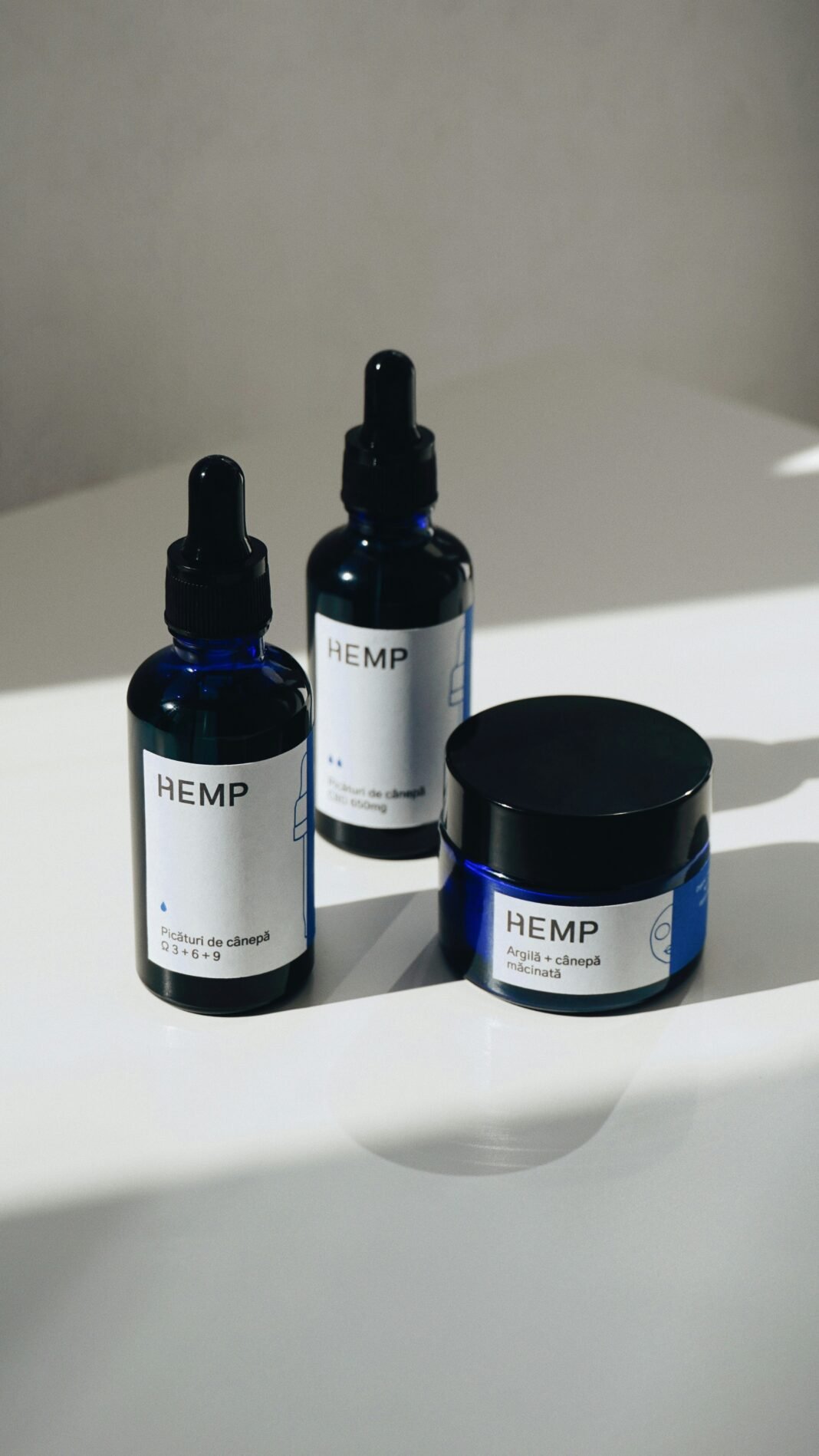
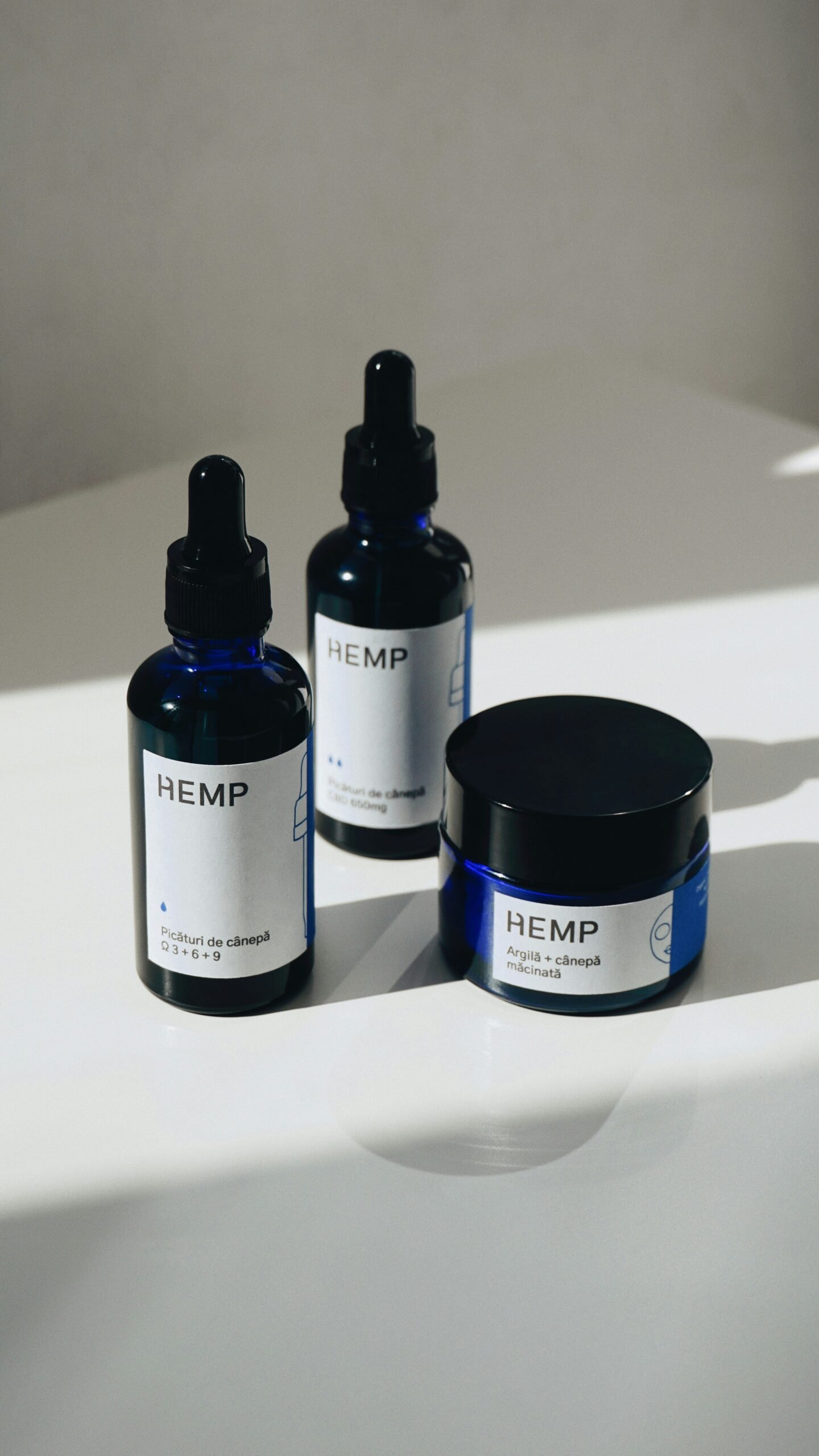
In recent years, the skincare industry has expanded dramatically, presenting consumers with a plethora of products designed to cater to various skin types and concerns. Primarily, these products can be broadly categorized into two segments: natural and chemical skincare. Natural skincare products are formulated using ingredients derived from plants, minerals, and other naturally occurring substances. They are often touted for their gentleness and reduced risk of irritation, making them appealing to individuals with sensitive skin or those seeking a holistic approach to skincare.
Conversely, chemical skincare encompasses products that include synthetic ingredients and compounds developed through scientific processes. These may offer targeted solutions for specific skin problems and are often designed to deliver quicker results. However, there is an ongoing debate surrounding the safety and effects of these chemicals on skin and overall health. Understanding the distinctions between natural and chemical skincare is crucial for consumers. By being informed about the ingredients and their potential implications, individuals can make educated choices that align with their values, skin type, and health needs. As we delve deeper into the comparison between these two categories, it is critical to consider all aspects that influence skincare choices.
What is Natural Skincare?
Natural skincare refers to beauty products formulated using ingredients sourced from nature, consisting primarily of plant-based materials, minerals, and other naturally occurring substances. To be classified as ‘natural,’ these products must contain a high percentage of components derived from botanical sources and exclude synthetic chemicals and artificial additives. The increasing consumer demand for transparency in the beauty industry has led to a significant rise in the popularity of natural skincare products.
Common ingredients in natural skincare include essential oils, plant extracts, waxes, and butters. For instance, oils such as coconut, jojoba, and argan provide hydration and nourishment, while botanical extracts like aloe vera and chamomile offer soothing properties. Many of these ingredients are selected not only for their effectiveness but also for their environmentally friendly qualities. Sustainable sourcing practices are often emphasized in natural skincare brands, with a focus on ethical cultivation and production methods that minimize harm to the planet.
One of the key benefits of natural skincare is the potential for fewer adverse reactions. Many individuals with sensitive skin find that natural products are gentler, as they typically lack harsh chemicals and synthetic fragrances that can irritate the skin. Additionally, the holistic approach to skincare offered by these products aligns with the needs of those seeking to improve their skin health naturally.
Despite their many advantages, misconceptions about natural skincare persist. Some consumers believe that all natural products are automatically safe or more effective than their chemical counterparts. However, it is essential to recognize that natural does not equate to universal suitability; allergic reactions can still occur. Thus, consumers should always perform patch tests and consult ingredients lists. Understanding the nuances of natural skincare is crucial for informed decision-making in beauty product selection.
What is Chemical Skincare?
Chemical skincare products refer to formulations that contain synthetic or laboratory-developed ingredients specifically formulated to address various skin concerns. These products often include compounds such as alpha hydroxy acids (AHAs), beta hydroxy acids (BHAs), retinoids, and various peptides. These ingredients operate on a physiological level, targeting skin issues such as aging, acne, pigmentation, and uneven texture with precision.
AHAs, for instance, are known for their exfoliating properties, allowing for the removal of dead skin cells to promote cell turnover. This results in smoother and brighter skin, making them suitable for individuals looking to diminish the appearance of fine lines and age spots. On the other hand, BHAs, such as salicylic acid, penetrate deeper into the pores to combat acne and control excess oil production, proving especially beneficial for oily and acne-prone skin types.
Moreover, retinoids, which are derived from Vitamin A, play a pivotal role in stimulating collagen production, thereby improving skin elasticity and reducing wrinkles. The targeted approach of chemical skincare allows for rapid and direct intervention, making it appealing to many users seeking immediate results.
The advantages of using chemical skincare products extend beyond speediness; they also often feature formulations that are rigorously tested for safety and efficacy. This can lead to a greater level of confidence in their use, as many brands back their products with clinical studies highlighting their benefits. Additionally, the customizable nature of these products enables consumers to select specific treatments that cater to their unique skin concerns effectively. Nevertheless, it is crucial to approach these products with an understanding of individual skin types and potential sensitivities. Awareness of the formulation’s active ingredients is essential for achieving desired results while maintaining skin health.
The Benefits of Natural Skincare
Natural skincare products have gained popularity due to their numerous advantages over their chemical counterparts. One of the primary benefits is the gentleness of natural ingredients. Typically derived from plants, minerals, and other organic sources, these products often contain fewer harsh chemicals, which can irritate the skin. Ingredients such as aloe vera, coconut oil, and shea butter provide soothing properties, making them ideal for individuals with sensitive skin.
The suitability of natural skincare for sensitive skin cannot be overstated. Many people suffer from adverse reactions to synthetic additives found in commercial skincare products, including fragrances and preservatives. Natural alternatives are less likely to contain these irritants, reducing the risk of allergic reactions and discomfort. Research indicates that natural skincare formulations can effectively nourish and protect the skin barrier, greatly appealing to those seeking minimal irritation.
Environmental impact is another significant advantage of opting for natural skincare. Many brands are committed to sustainable sourcing and eco-friendly practices, minimizing their carbon footprint. Natural ingredients often undergo less processing and do not contribute to pollution, making them better for the planet. Furthermore, the packaging of natural products tends to favor recyclable or biodegradable materials, fostering a more sustainable relationship between consumers and the environment.
Testimonials from users highlight the effectiveness of natural skincare solutions. Many report not only an improvement in skin conditions such as dryness and eczema but also a general feeling of well-being. Research, including studies on the benefits of specific natural extracts, supports these claims by demonstrating their efficacy in promoting skin health and enhancing vitality.
Ultimately, the blend of gentleness, suitability for sensitive skin, and a positive environmental footprint solidifies the position of natural skincare products as a compelling choice for mindful consumers seeking effective and safe skincare solutions.
The Benefits of Chemical Skincare
Chemical skincare products have gained significant recognition due to their effectiveness in addressing a range of skin concerns. One of the primary benefits is their ability to deliver targeted treatments for conditions such as acne, hyperpigmentation, and signs of aging. Ingredients commonly found in these formulations, such as acids, retinoids, and enzymes, are scientifically proven to provide faster and often more profound results than many natural alternatives.
For instance, salicylic acid, a beta hydroxy acid (BHA), is frequently used in chemical skincare to treat acne. It penetrates deep into the pores to dissolve excess sebum and exfoliate dead skin cells, helping to prevent breakouts. Research has shown that this ingredient not only reduces inflammation but also promotes clearer skin over time. Similarly, alpha hydroxy acids (AHAs), like glycolic acid, are effective in improving skin texture and fading hyperpigmentation by accelerating cell turnover, illustrating the potency of chemical methods in achieving desired skin outcomes.
Moreover, retinoids, which are derivatives of Vitamin A, are considered one of the gold standards in anti-aging treatments. They work by stimulating collagen production and increasing cell turnover, which can significantly diminish fine lines and improve skin tone and texture. Clinical studies corroborate these claims, deeming retinoids effective in lessening the visibility of aging signs, further endorsing the preference for chemical products in some circumstances.
In addition to their targeted efficacy, chemical skincare products often undergo rigorous testing for safety and effectiveness. This clinical backing provides consumers with the confidence that they are using scientifically formulated products, designed to address their specific skin issues. While natural products certainly have their advantages, the potency and performance of chemical skincare solutions make them a compelling option for those seeking rapid and targeted results.
Potential Risks of Natural Skincare
The growing popularity of natural skincare products has encouraged many consumers to transition from conventional options, often under the impression that these products are inherently safer and more beneficial. However, it is essential to acknowledge that natural does not always equate to risk-free. One of the primary concerns with natural skincare is the potential for allergic reactions. Ingredients that are derived from plants or minerals can trigger sensitivities in individuals, leading to adverse skin effects such as rashes, irritation, or even more severe reactions. It is crucial for consumers to perform patch tests or consult with dermatologists before introducing new products into their skincare routine.
Another significant issue lies in the lack of standardized regulation surrounding natural product labeling. Unlike chemical skincare formulations that are often regulated by government agencies, natural products can sometimes offer misleading claims. The terms “natural” or “organic” are not always clearly defined, creating confusion for consumers. This lack of regulation may lead to the inclusion of synthetic additives within the product, which can counteract the perceived benefits of using natural skincare. Consequently, careful examination of ingredient lists is necessary to ensure genuine natural product choices.
Additionally, there exists a common misconception that natural skincare products are universally safe. While these products can be beneficial, they may also possess potent ingredients that, if used incorrectly or in excessive amounts, could harm the skin. For example, essential oils, though derived from natural sources, can be highly concentrated and may cause inflammatory reactions if not diluted adequately. Therefore, individuals should diligently research each ingredient in a product and its potential side effects to ensure a positive skincare experience.
Potential Risks of Chemical Skincare
The use of chemical skincare products has become increasingly popular over the years, offering a variety of benefits such as quick results and targeted treatment of specific skin concerns. However, potential risks associated with these products must be carefully considered. One of the primary concerns is skin irritation, which can arise from certain active ingredients like alpha-hydroxy acids (AHAs), beta-hydroxy acids (BHAs), and retinoids. These ingredients, while effective in promoting cell turnover and diminishing fine lines, can also cause redness, dryness, and peeling, particularly in individuals with sensitive skin.
Another important consideration is the long-term effects of some synthetic chemicals. Ingredients such as parabens, sulfates, and phthalates, commonly found in many commercial skincare formulations, have come under scrutiny. Studies have suggested that these chemicals may disrupt hormonal balances and lead to adverse health effects, raising concerns about their cumulative exposure over time. As a result, many consumers are increasingly wary of the lengthy ingredient lists typically associated with chemical products, prompting a shift towards more natural options.
The controversy surrounding synthetic ingredients further complicates the landscape of chemical skincare. Reports linking certain preservatives and fragrances to allergic reactions or adverse skin conditions have prompted consumers to seek out products free from potentially harmful components. It is crucial for users to perform thorough research on product formulations before purchase. Patch testing is an essential step to determine how skin will react to a new product, particularly for those with existing sensitivities.
In conclusion, while chemical skincare products can offer significant benefits, the associated risks warrant careful consideration and proactive measures, such as thorough ingredient research and patch testing, to ensure skin health and safety.
Choosing the Right Skincare for You
When selecting skincare products, it is essential to consider various factors that can significantly influence the outcome on your skin. A primary consideration is your individual skin type, which can range from oily, dry, combination, to sensitive. Each skin type has unique needs, and understanding these requirements is critical in choosing between natural and chemical skincare options. For instance, those with sensitive skin may benefit more from natural products, while individuals with oily or acne-prone skin might find chemical formulations more effective due to their targeted action.
Next, specific skin concerns such as aging, hyperpigmentation, or acne should guide your product selection. For example, individuals seeking to reduce fine lines and wrinkles may prefer chemical exfoliants containing alpha-hydroxy acids (AHAs) or retinoids. Conversely, those looking for soothing properties or natural moisturizers might opt for plant-based ingredients like aloe vera or shea butter. This understanding enables a more tailored approach to skincare, aligning products with desired outcomes.
Another important aspect is your lifestyle preferences. For many, the choice between natural and chemical products also involves ethical considerations, including sustainability, cruelty-free practices, and environmental impact. Assessing the background of the products, including their source and manufacturing processes, can be essential for consumers prioritizing these values.
Finally, ingredient lists are pivotal in making an informed choice. Take the time to research and familiarize yourself with the ingredients in any skincare product you consider. Look for transparency in labeling, and recognize both beneficial and harmful compounds. Testing products in small patches can also aid in determining compatibility with your skin, allowing for a safe exploration of either natural or chemical skincare options. By taking these factors into account, you can navigate the diverse landscape of skincare products effectively.
Conclusion: Striking the Balance
As we navigate the world of skincare, the debate between natural and chemical products continues to provoke thought and discussion. In exploring the differences between these two categories, it becomes evident that each has its own merits and potential drawbacks. Natural skincare products often appeal to those seeking gentler, less processed options, and can be beneficial for individuals with sensitive skin or specific allergies. They tend to harness the power of botanical ingredients, which may provide soothing, nourishing effects without the harshness that some chemicals can introduce.
On the other hand, chemical skincare formulations are often backed by scientific research and can deliver targeted results. Ingredients classified as chemical aren’t inherently bad; many have a long history of effective use in addressing specific skin concerns such as acne, hyperpigmentation, and signs of aging. These products may also incorporate synthetic compounds that enhance stability, penetration, and overall efficacy. However, potential reactions to synthetic ingredients can be a concern for some consumers.
Ultimately, the choice between natural and chemical skincare is not about selecting one over the other; rather, it is about finding a balance that caters to individual skin needs and preferences. Every person’s skin is unique, influenced by factors such as genetics, environmental exposure, and personal experiences with different products. To strike this balance, it is crucial for consumers to conduct thorough research and consider patch testing new products before integrating them into their skincare routine.
In conclusion, informed decision-making plays a pivotal role in achieving optimal skin health. Emphasizing awareness and mindfulness in choosing skincare products can ensure a holistic approach, allowing individuals to enjoy the benefits of both natural and chemical skincare in a way that fosters their well-being.