

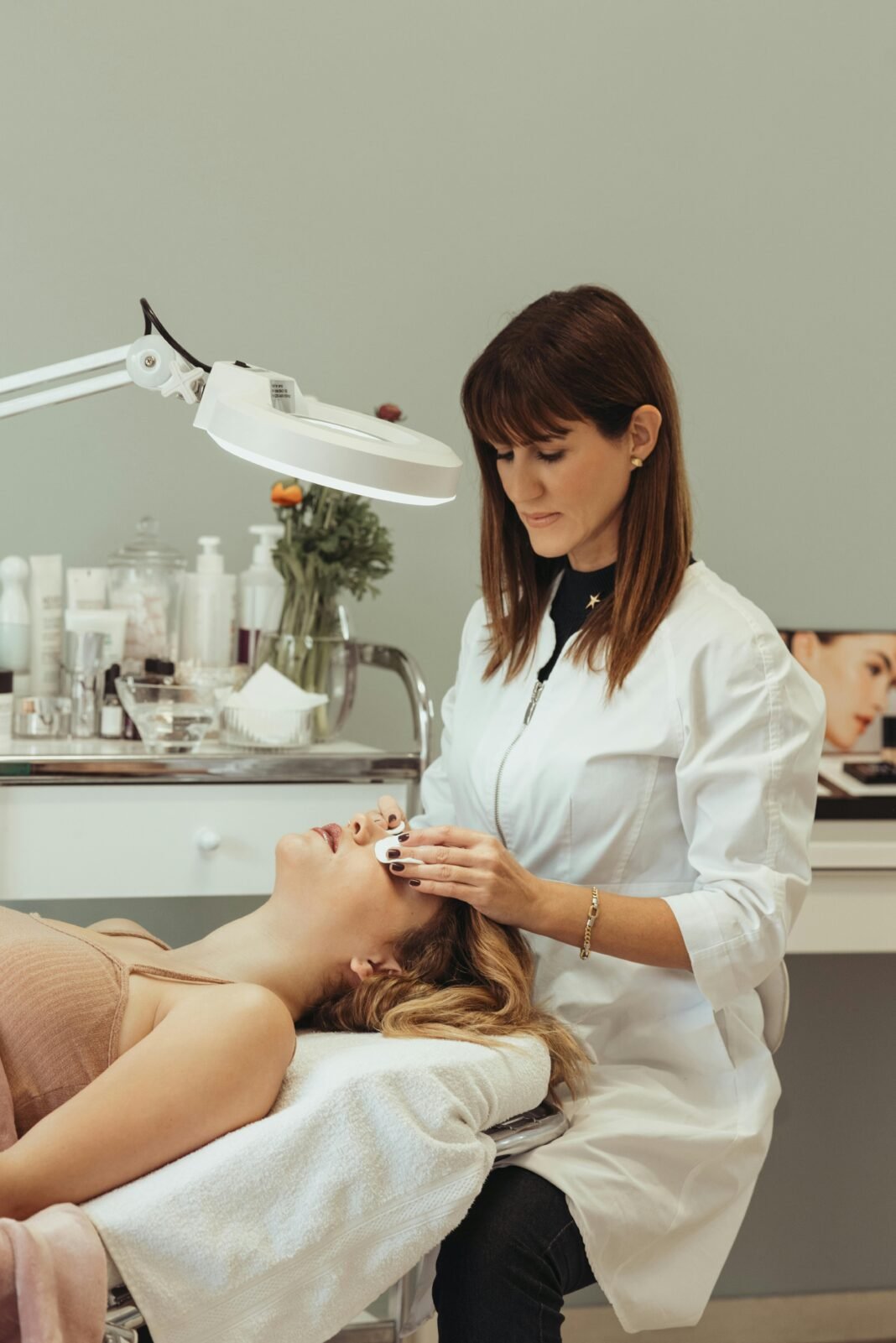

Understanding the Role of a Dermatologist
A dermatologist is a medical professional who specializes in diagnosing and treating disorders related to the skin, hair, and nails. Their expertise encompasses a wide range of conditions, from common ailments such as acne and eczema to more complex diseases like psoriasis and skin cancer. These specialists are trained to identify the nuances of skin conditions, understanding not only the physical symptoms but also the potential underlying causes that can affect overall health.
One of the primary roles of a dermatologist is to conduct thorough examinations, which may involve assessing the skin’s appearance, texture, and overall condition. Based on their findings, they can develop tailored treatment plans that may include topical and oral medications, lifestyle adjustments, and other interventions. Dermatologists also perform various procedures, such as skin biopsies for diagnostic purposes, cryotherapy to remove warts or other lesions, and cosmetic procedures like laser therapy to improve the skin’s appearance.
Consulting a dermatologist is crucial when encountering persistent or severe skin issues. Many people hold misconceptions about dermatologist visits, believing that such visits are reserved only for serious skin conditions. However, dermatologists can provide valuable insights into common concerns, help prevent potential skin problems, and guide patients on proper skincare practices. They also play a critical role in educating individuals on maintaining skin health and recognizing early signs of more serious conditions.
Overall, the importance of engaging with a dermatologist cannot be overstated, especially when it comes to maintaining the health of your skin. Understanding the scope of their expertise ensures that individuals are well-prepared to address their dermatological needs, leading to healthier skin outcomes.
Signs You Need to See a Dermatologist
Recognizing when to consult a dermatologist is essential for maintaining optimal skin health. There are several signs and symptoms that may indicate the need for a professional evaluation. One primary reason to schedule an appointment is the presence of persistent rashes. If a rash lasts longer than a few weeks, or if it is accompanied by discomfort, itching, or other troubling symptoms, it may be time to seek expert advice. Dermatologists specialize in diagnosing various skin conditions, which can help determine the underlying cause and appropriate treatments.
Unusual moles or changes in existing moles are critical indicators warranting immediate attention from a dermatologist. An irregularly shaped mole, a change in color, or a mole that exhibits asymmetry could signal potential skin cancer. The ABCDE rule—Asymmetry, Border, Color, Diameter, and Evolving—serves as a guideline for assessing moles. If any of these characteristics raise concern, it is crucial to consult a specialist promptly.
Acne is another common issue that often requires professional intervention, particularly when it is severe or resistant to over-the-counter treatments. Persistent acne can lead to scarring and emotional distress, which makes it important to seek advice on appropriate therapies tailored to the specific type of acne present. A dermatologist can provide effective treatments such as topical medications, oral antibiotics, or hormonal therapies.
Lastly, the appearance of sores that do not heal, or new growths on the skin, could signify more serious conditions, including skin cancer. These signs should never be overlooked. By paying attention to these warning signals, individuals can take proactive measures in their skincare management. If you notice any of these symptoms, it is advisable to schedule a visit with a qualified dermatologist to ensure your skin health is appropriately assessed and managed.
Researching Your Dermatologist
Choosing the right dermatologist is a crucial step in addressing your skin health concerns. Whether you need a diagnosis, treatment, or cosmetic procedures, selecting a qualified professional can significantly impact your outcome. To start your search, consider the credentials of potential dermatologists. Verify that they are board-certified, which indicates they have undergone extensive training and passed rigorous examinations in dermatology. You can find this information on organizations’ websites, such as the American Academy of Dermatology.
In addition to checking credentials, reading patient reviews can provide insight into a dermatologist’s expertise and patient care. Online platforms such as Healthgrades, Zocdoc, or Yelp offer a plethora of reviews from past patients. Look for patterns in the comments; repeat mentions of particular strengths, such as being thorough, approachable, or effective, can help you gauge the quality of care you can expect. However, be aware that individual experiences may vary, and one negative review doesn’t necessarily outweigh the overall reputation of the dermatologist.
Another important factor to consider is the dermatologist’s specialization. Dermatology encompasses various subfields, including medical dermatology, pediatric dermatology, and cosmetic dermatology. Identifying your specific skin issue can guide you to a dermatologist who specializes in that area. For example, if you are dealing with acne or eczema, you may want someone with experience in those conditions, whereas someone considering cosmetic interventions will benefit from a dermatologist with a strong track record in aesthetic treatments.
Lastly, ensure that the dermatologist’s office is conveniently located and offers flexible scheduling to accommodate your needs. A good fit involves finding a professional who aligns with your health concerns, communication style, and demographics. Taking these steps will help ensure that your initial visit is productive and that you receive the best possible care tailored to your situation.
Preparing Your Medical History
When preparing for your first visit to a dermatologist, one of the most crucial steps is compiling a comprehensive medical history. This process not only aids the dermatologist in diagnosing any skin concerns but also ensures a tailored treatment plan can be developed. A detailed medical history should encompass various facets of your health, including current medications, allergies, previous skin conditions, and family history of skin diseases.
Start by listing all medications you are taking, both prescription and over-the-counter. This information can be vital, as certain medications can cause skin reactions or influence dermatological conditions. Common examples include hormonal medications, blood pressure medications, and even certain supplements. In addition to medications, it is essential to note any allergies you may have, particularly those related to medications, foods, or environmental factors such as pollen or pet dander. Allergies can significantly impact skin health, and having this information readily available can help your dermatologist make informed decisions.
It is also important to include a record of any previous skin conditions you have experienced. This could encompass acne, eczema, psoriasis, or any other dermatologic issues that might be relevant. Providing this history allows the dermatologist to recognize patterns and potential hereditary factors. Furthermore, documenting a family history of skin diseases may reveal predispositions to certain conditions, facilitating early intervention or preventive measures. Consider asking family members about any significant skin-related health issues, especially if they have been diagnosed with skin cancer or melanoma.
By taking the time to prepare your medical history thoroughly, you empower your dermatologist with the necessary information to provide effective care, ensuring your visit is productive and focused on your specific needs.
Listing Your Questions and Concerns
Preparing for a visit to the dermatologist is an important step in addressing your skin concerns effectively. One of the most beneficial actions you can take prior to your appointment is to create a thorough list of questions and specific issues you wish to discuss. This not only demonstrates your commitment to skin health but also fosters a more focused and productive interaction with your dermatologist.
Firstly, consider including questions about any treatments you may be considering. Whether it involves acne management, anti-aging procedures, or options for skincare products, having these queries outlined will allow the dermatologist to provide tailored advice. For instance, you might ask about the effectiveness of certain treatments for your skin type or inquire into the potential side effects of specific medications.
Additionally, it is advisable to address your skincare routines during your visit. Questions could revolve around the appropriateness of your current regimen, recommendations for new products, or suggestions for lifestyle changes that may enhance your skin’s condition. By articulating your skincare habits and concerns, you’ll enable the dermatologist to offer personalized recommendations that align with your skin type and needs.
It is equally important to raise any symptoms or changes you’ve noticed. Whether it’s a sudden rash, unusual pigmentation, or persistent irritation, documenting these observations can lead to quicker and more accurate diagnoses. By presenting your concerns clearly and concisely, you provide the dermatologist with vital information necessary for assessing your skin condition.
In essence, compounding your visit with well-thought-out questions and detailed concerns enhances your engagement in the process. Active participation often results in better outcomes, as the dermatologist can offer specific insights tailored to your personal circumstances. Take the time to prepare, and approach your first dermatology appointment as an opportunity for collaboration in achieving optimal skin health.
What to Expect During the Visit
When preparing for your first dermatology appointment, it is essential to understand the typical structure and flow of the visit. This knowledge can help alleviate any concerns and set realistic expectations for new patients. A dermatology appointment generally begins with an initial consultation, where the dermatologist will gather information about your medical history, including any existing skin conditions, allergies, medications, and relevant family health backgrounds.
Following the consultation, the dermatologist will conduct a thorough examination of your skin. This assessment typically involves a visual inspection of affected areas, as well as other skin regions that may be relevant to your concerns. The dermatologist may ask you to change into a gown to facilitate a more comprehensive evaluation. This examination is crucial for diagnosing conditions such as eczema, psoriasis, acne, or skin cancer.
In some cases, if a particular issue is identified, the dermatologist may recommend further testing. Such tests could include skin biopsies, where a small sample of skin is removed for laboratory analysis, or patch testing to identify allergens that may be causing skin reactions. These tests are integral to providing an accurate diagnosis and are conducted with minimal discomfort to the patient.
After the examination and any necessary tests, the dermatologist will discuss the findings with you. This includes providing information on treatment options, potential outcomes, and recommendations for follow-up care. Clear communication is vital during this phase, and patients are encouraged to ask questions to ensure they fully understand their diagnosis and the proposed steps going forward. Overall, knowing what to expect can make your first visit to a dermatologist more manageable and reassuring.
Preparing for a Skin Examination
Preparing for a skin examination with a dermatologist can significantly enhance the efficiency of your visit and ensure that all your concerns are adequately addressed. The first step in your preparation involves making conscious clothing choices. Opt for loose-fitting, comfortable attire that allows easy access to the areas of concern on your skin. If you have specific areas that you want the dermatologist to examine, wearing clothing that can be easily removed or adjusted will facilitate a thorough assessment.
Personal hygiene is another crucial aspect of preparation. It is advised to shower and wash your body thoroughly before the appointment. This not only helps in presenting a clean slate for examination but also allows the dermatologist to better evaluate your skin condition. Avoid applying perfumes, scented lotions, or products that may mask the natural state of your skin. This is important as it can sometimes alter the dermatologist’s observations during the evaluation.
Additionally, it is highly recommended to refrain from using topical medications or treatments a few days prior to your appointment unless specifically instructed by the dermatologist. These might include acne treatments, exfoliants, or any potent skincare products that could affect your skin’s appearance or texture. This will help the dermatologist to get an accurate picture of your skin’s condition, ensuring an accurate diagnosis and treatment plan.
Lastly, think about compiling a list of your skincare products, medication use, and any relevant medical history. This information will assist the dermatologist in understanding your previous skin issues and determining an ideal treatment strategy moving forward. By following these preparatory steps, you can foster a productive environment during your first visit, making your experience more effective and informative.
Follow-Up Procedures After the Visit
After your initial visit to the dermatologist, it is essential to understand the follow-up procedures that may be necessary to ensure comprehensive care. Depending on the findings from your consultation, the dermatologist may recommend various tests to gather more information about your skin condition. Common follow-up tests can include biopsies, skin scrapings, or allergy tests. These additional procedures aim to provide a clearer understanding of your skin issues, enabling your dermatologist to propose effective treatment options tailored to your needs.
In many cases, your dermatologist will schedule a follow-up appointment to discuss the results of these tests and evaluate how you are responding to any preliminary treatment. It is crucial to adhere to this schedule, as regular check-ins can help track the progress of your skin condition and adjust treatment plans as needed. During these follow-up appointments, be prepared to discuss any changes in your symptoms or any new concerns that may have arisen since your last visit. This open communication is vital for effective management of your skin health.
Furthermore, a referral to other specialists may be advised based on the complexity of your skin condition. For example, if your dermatologist suspects an underlying health issue, they might recommend you see an allergist, rheumatologist, or an endocrinologist. Staying in touch with your dermatologist throughout this process ensures continuity of care and a greater understanding of your overall health.
In essence, establishing a line of communication with your dermatologist is paramount. This relationship fosters a collaborative approach to your treatment, empowering you to better manage your skin health and address any potential concerns that may arise in the future. Remember, maintaining follow-up appointments and adhering to prescribed tests can significantly impact the effectiveness of your skin treatment plan.
Understanding Insurance and Costs
When preparing for your first visit to a dermatologist, understanding insurance coverage and potential costs is critical. Dermatological services can vary significantly in price, so being well-informed helps in managing expectations and finances. Begin by reviewing your health insurance plan to determine what dermatological services are covered. Most insurance providers offer an online portal where you can access your benefits information, which is useful for identifying in-network dermatologists and understanding co-pays, deductibles, and any prior authorization requirements.
When scheduling your appointment, do not hesitate to ask specific questions regarding your coverage. Inquire if the visit requires a referral from your primary care physician, as this can affect your insurance reimbursement. Understanding the specifics of your policy allows you to clarify whether your insurance covers certain procedures, such as biopsies or other diagnostic tests that the dermatologist may recommend.
It is also wise to request a detailed breakdown of potential out-of-pocket costs during your initial call. Dermatologic procedures can range widely in price based on the complexity and time involved. For elective procedures, especially cosmetic dermatology, insurers might not cover expenses, requiring patients to cover full costs themselves. Knowing this ahead of time can help you decide which procedures are feasible within your budget, and it may also inform decisions regarding prioritizing your healthcare needs.
Finally, consider setting aside funds for co-payments or any required costs associated with your visit. By preparing in advance and understanding your insurance coverage, you can navigate your first dermatologist visit with confidence, ensuring it is both productive and financially manageable.