


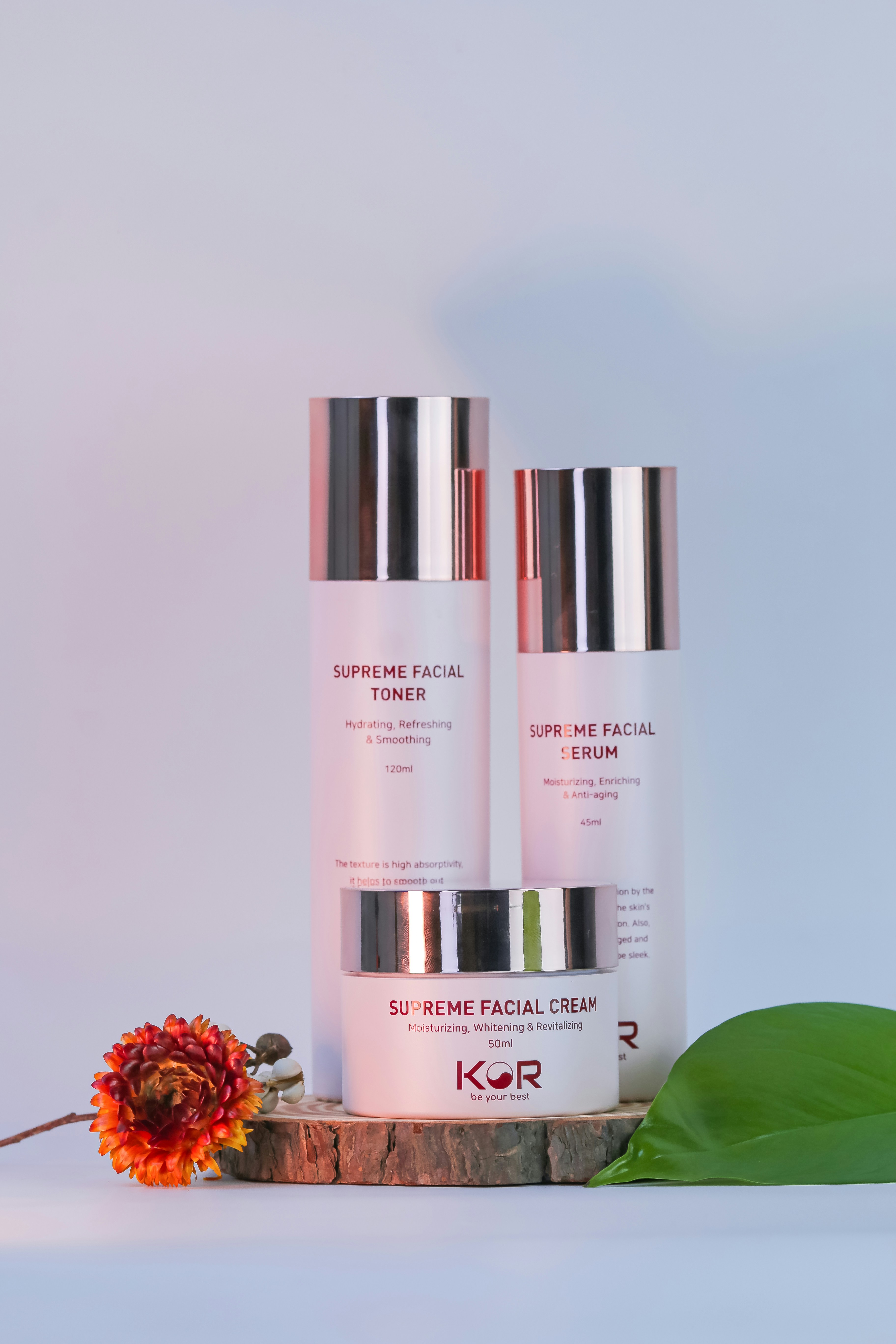
Understanding Your Skin in Your 20s and 30s
The skin undergoes significant changes during one’s 20s and 30s, influenced by a combination of genetic predisposition, hormonal variations, and environmental exposures. Typically, in your 20s, the skin is often still characterized by its natural elasticity and vibrancy. However, this phase may also introduce the emergence of specific concerns, such as occasional breakouts or uneven texture, largely due to fluctuating hormone levels. Factors such as stress, diet, and environmental aggressors can contribute to these changes, emphasizing the need for adaptive skincare strategies.
As individuals transition into their 30s, the skin starts to exhibit more pronounced signs of aging, including the early onset of fine lines and a decrease in radiance. The natural production of collagen and elastin begins to decline, affecting the skin’s firmness and elasticity. Additionally, it is not uncommon for people in this decade to experience dryness and sun damage, which can exacerbate the appearance of aging. At this stage, it becomes increasingly important to consider the individual’s skin type, whether it is oily, dry, combination, or sensitive, as each type presents unique challenges and requires tailored skincare routines.
Moreover, lifestyle factors like sleep patterns, hydration, and dietary choices play a pivotal role in skin health. Incorporating preventative skincare measures is essential to mitigate the effects of aging and maintain a youthful appearance. This is the ideal time to establish a robust skincare regimen that includes hydration, sun protection, and targeted treatments such as antioxidants or retinoids. By recognizing and understanding these skin characteristics, individuals can make informed choices about their skincare products and routines to foster and preserve healthy, glowing skin as they age.
Establishing a Consistent Skincare Routine
Developing a consistent skincare routine is fundamental for maintaining healthy and radiant skin, especially in your 20s and 30s. During these decades, establishing a regimen that incorporates essential steps such as cleansing, moisturizing, and applying sunscreen can significantly impact your skin’s appearance and overall health.
The first step in any skincare routine is cleansing. Cleansing helps remove impurities, excess oil, and makeup residues that can clog pores and lead to breakouts. It is advisable to use a gentle cleanser suitable for your skin type—whether oily, dry, or combination. Cleansing should be performed twice a day, once in the morning and once at night, to keep your skin clean and refreshed.
Moisturizing is the next crucial step. Regardless of skin type, everyone should incorporate a good moisturizer into their routine. For oily skin, opt for lightweight, oil-free moisturizers, while those with dry skin should seek richer creams that provide deeper hydration. A well-selected moisturizer not only hydrates the skin but also helps maintain the skin’s barrier function, preventing moisture loss throughout the day.
Another vital component of a skincare routine is the application of sunscreen. UV radiation can cause premature aging, pigmentation, and other skin problems. It is important to use a broad-spectrum sunscreen with at least SPF 30 every day, even on cloudy days or when staying indoors, as UV rays can penetrate windows.
In addition to these primary steps, you should tailor your routine to fit your individual skin type and lifestyle. Consider your specific concerns—such as acne, sensitivity, or signs of aging—and choose products that address these needs without overwhelming your skin. Adopting a consistent skincare regimen suited to your personal requirements not only enhances your skin’s appearance but also promotes long-term health.
The Role of Sunscreen in Preventative Skincare
One of the most critical components of any preventative skincare regimen is the consistent use of sunscreen. Ultraviolet (UV) radiation from the sun can significantly damage the skin and accelerate the aging process, leading to wrinkles, fine lines, and dark spots. Studies have shown that both UVA and UVB rays contribute to skin aging and skin cancers, making it essential to choose a broad-spectrum sunscreen that offers protection from both types of ultraviolet rays.
When selecting sunscreen, users can choose between chemical and physical (mineral) options. Chemical sunscreens absorb UV radiation and typically contain ingredients such as avobenzone, octisalate, and octocrylene. In contrast, physical sunscreens, which include zinc oxide or titanium dioxide, create a barrier on the skin that reflects UV rays. Both types can be effective, but physical sunscreens are often recommended for sensitive skin, as they tend to be less irritating.
For optimal benefits, it is advisable to apply sunscreen generously to all exposed skin. Experts recommend using at least one ounce, about a shot glass full, for full body coverage. It is important to apply sunscreen approximately 15 to 30 minutes before sun exposure to allow adequate absorption. Furthermore, reapplication is crucial; it should be done every two hours, or immediately after swimming, sweating, or towel drying. For daily use, a broad-spectrum SPF of at least 30 is generally considered adequate to guard against harmful rays. People with more extended outdoor activities may benefit from higher SPFs.
By integrating sunscreen into their daily routine, particularly in their 20s and 30s, individuals can significantly mitigate the risks of UV damage, thus promoting healthier, youthful-looking skin for years to come.
Incorporating Anti-Aging Ingredients
As we navigate through our 20s and 30s, incorporating anti-aging ingredients into our skincare routine can significantly contribute to maintaining youthful skin. One of the most effective ingredients is retinoids, which are derivatives of vitamin A. Retinoids work by promoting cell turnover, helping to reduce the appearance of fine lines and surface imperfections. The anti-aging properties of retinoids also stimulate collagen production, which is crucial for maintaining skin elasticity and firmness. When selecting products containing retinoids, starting with a lower concentration is advisable, gradually increasing as the skin adjusts.
Another powerful category of anti-aging components is antioxidants, such as vitamin C, vitamin E, and ferulic acid. Antioxidants combat free radicals, which are unstable molecules that can damage skin cells and accelerate the aging process. Vitamin C, in particular, can not only help brighten the complexion but also enhance the effectiveness of sunscreen when used together. When searching for antioxidant-rich products, consider serums that feature these ingredients prominently for maximum effectiveness.
Hyaluronic acid is another remarkable ingredient known for its hydrating capabilities. This powerful humectant attracts moisture to the skin, helping to plump and smooth the surface, which reduces the visibility of fine lines. Products with hyaluronic acid can be particularly beneficial for individuals with dry or dehydrated skin. It is common to find hyaluronic acid in serums, moisturizers, or even as an injectable treatment.
Lastly, peptides are short chains of amino acids that serve as building blocks for proteins in the skin. They can promote collagen synthesis and restore the skin’s barrier function, leading to a firmer and more youthful appearance. When choosing skincare items containing peptides, look for formulations that combine them with other active ingredients for comprehensive benefits. By understanding these key anti-aging ingredients and how to integrate them into your skincare routine, you can lay a solid foundation for vibrant, glowing skin in the years to come.
Hydration: The Key to Healthy Skin
Hydration plays a crucial role in maintaining the health and appearance of skin, particularly during the transformative years of your 20s and 30s. Proper water intake is essential, as it aids in cellular function and ensures that the skin retains its natural moisture. Dehydration can lead to a variety of skin issues, including dryness, increased sensitivity, and the emergence of fine lines. Therefore, it is recommended that individuals consume an adequate amount of water throughout the day, generally aiming for at least eight 8-ounce glasses, although individual needs may vary based on activity levels and environmental factors.
In addition to drinking water, incorporating hydrating products into your skincare routine can significantly enhance your skin’s moisture levels. Products containing hyaluronic acid, glycerin, and ceramides are particularly effective in drawing moisture into the skin and creating a protective barrier that prevents transepidermal water loss. Applying a hydrating serum followed by a moisturizer can lock in this moisture and provide your skin with a plump, healthy appearance.
Environmental conditions can also impact the skin’s hydration levels. For instance, exposure to dry air, especially during winter months or in air-conditioned environments, can deplete moisture from the skin. Using a humidifier in your home can help counteract this effect by adding moisture back into the air. Additionally, wearing sunscreen is paramount as harmful UV rays can lead to dehydration and damage. A broad-spectrum SPF not only protects against skin aging but also helps maintain moisture levels by preventing skin barrier dysfunction.
By prioritizing hydration through adequate water intake and the use of effective moisturizing products, individuals can ensure their skin remains healthy, vibrant, and radiant throughout their 20s and 30s. This foundational practice sets the stage for long-term skincare benefits and promotes a glowing complexion as one ages.
Diet and Lifestyle Choices for Radiant Skin
The pursuit of radiant skin often begins with a closer examination of diet and lifestyle choices. A balanced diet rich in essential vitamins and antioxidants is foundational for maintaining healthy skin. Foods high in omega-3 fatty acids, such as salmon and walnuts, contribute to hydration and may reduce inflammation. Meanwhile, incorporating a variety of fruits and vegetables can provide significant health benefits. Berries, spinach, and avocados are particularly beneficial due to their high levels of vitamins A, C, and E, all of which play vital roles in skin repair and vitality.
Hydration is another critical factor. Consuming enough water daily aids in flushing out toxins and keeps the skin looking plump and youthful. Aim for at least eight glasses of water daily, and consider herbal teas or infused water as alternatives to sugary beverages that can detract from skin health. Additionally, minimizing the intake of processed foods, sugars, and excessive sodium can prevent skin issues such as premature aging and breakouts.
Beyond diet, lifestyle choices significantly impact skin health. Quality sleep is essential, as it provides the body with the necessary time to repair and rejuvenate cells. Sleep deprivation can lead to dark circles and a dull complexion, making it crucial to establish a consistent sleep schedule. Stress management is equally important; chronic stress can trigger hormonal changes that may result in skin conditions like acne and eczema. Practices such as regular physical activity, meditation, or yoga can help manage stress levels and promote overall well-being.
Finally, a holistic approach that integrates these dietary recommendations with good lifestyle habits will not only foster healthier skin but also enhance overall health. Establishing and maintaining these habits in your 20s and 30s creates a strong foundation for vibrant skin as you age, ultimately reflecting a lifestyle dedicated to wellness and self-care.
Addressing Common Skincare Concerns
Individuals in their 20s and 30s often encounter a variety of skincare concerns that can impact their overall appearance and confidence. Some of the most prevalent issues include acne, dullness, and the effects of hormonal changes, all of which can be effectively managed with proper knowledge and care.
Acne remains a significant concern for many at this age. Although it is commonly associated with adolescence, hormonal fluctuations can contribute to breakouts in young adults. To address this issue, it is crucial to adopt a skincare routine that incorporates non-comedogenic products, which do not clog pores. Additionally, over-the-counter treatments containing active ingredients such as benzoyl peroxide or salicylic acid can help to reduce inflammation and clear up active lesions. For persistent cases, consulting a dermatologist may provide options such as prescription medications or advanced treatments like chemical peels.
Dull skin is another common worry, often caused by environmental factors, inadequate hydration, or an accumulation of dead skin cells. Exfoliation is a vital step in combating this issue. Incorporating gentle exfoliants, such as alpha-hydroxy acids (AHAs) or beta-hydroxy acids (BHAs), can help remove dead skin cells and promote a brighter complexion. Moreover, ensuring proper hydration by using a moisturizer that suits your skin type can enhance skin’s radiance. Consuming a balanced diet rich in antioxidants can also contribute to achieving that coveted glow.
Lastly, hormonal changes during this life stage can lead to various skin conditions, such as pigmentation and texture changes. To mitigate these effects, sun protection is essential; incorporating a broad-spectrum sunscreen daily will shield against harmful UV rays. Additionally, using serums with vitamin C can help even skin tone and combat signs of aging. Overall, being proactive with a tailored skincare regimen will help address these concerns while fostering long-term skin health.
The Benefits of Professional Skincare Treatments
While at-home skincare routines are essential for maintaining skin health and appearance, professional skincare treatments can significantly enhance these efforts. Numerous options exist, such as facials, chemical peels, microdermabrasion, and laser treatments, each offering unique benefits tailored to individual skin concerns.
Facials are a popular choice for many seeking relaxation and rejuvenation. They often include cleansing, exfoliation, and hydration tailored to skin type. Regular facials, recommended every four to six weeks, can deeply cleanse the skin, allowing for better absorption of topical products and promoting a radiant complexion. Additionally, licensed aestheticians can provide personalized advice on suitable products for at-home care.
Chemical peels, which utilize varying strengths of acids to remove dead skin cells and stimulate cell turnover, are effective for addressing issues such as acne scars, fine lines, and uneven skin tone. These treatments can range from mild to deeper peels, with recommended frequencies varying from a few weeks to several months, depending on the peel’s strength. Although the cost of chemical peels can vary widely, the long-term benefits in skin clarity and texture can be well worth the investment.
Microdermabrasion is another effective treatment for enhancing the skin’s texture and appearance. This non-invasive procedure exfoliates the outer layer of skin using tiny crystals, promoting cellular renewal and improving issues such as dullness, fine lines, and large pores. Regular sessions, typically scheduled every few weeks, can yield significant results in achieving an even skin tone and youthful glow, making it a favored option for many.
Lastly, laser treatments have gained popularity due to their versatility in addressing a variety of skin issues, including pigmentation, wrinkles, and acne scars. Depending on the specific procedure and skin type, patients may require multiple sessions to see optimal results. While the initial costs can be higher, the long-lasting effects of laser treatments can lead to significant savings on skincare products over time.
Integrating these professional treatments into one’s skincare regimen can yield transformative results, promoting not only healthier skin but also boosting confidence and well-being.
Knowing When to Seek Dermatological Advice
As one navigates through their 20s and 30s, understanding the importance of professional skincare cannot be overstated. Recognizing when to seek dermatological advice is crucial for maintaining healthy skin and addressing specific concerns effectively. Signs that indicate it may be time to consult a dermatologist include the development of persistent acne, unusual pigmentation, or any noticeable changes in existing moles. Additionally, skin conditions that do not respond to over-the-counter treatments warrant a professional opinion.
Choosing the right dermatologist is an essential step in this process. Look for board-certified professionals with positive reviews and recommendations. Consider their area of expertise, especially if you have specific skin concerns such as acne, eczema, or psoriasis. It is also beneficial to assess their commitment to patient education and ability to communicate effectively. A good dermatologist should be approachable, willing to explain treatment options, and understand your skincare goals.
During your visit, expect a thorough examination of your skin, and be prepared to discuss your skincare routine and any products you currently use. The dermatologist may ask questions related to your medical history, family history of skin conditions, and lifestyle factors that could impact your skin health. This dialogue sets the foundation for a tailored skincare plan designed to address your unique needs.
Professional guidance plays a vital role in educating individuals about effective skincare practices and potential risks associated with certain products. It allows for personalized recommendations that are often more effective than generic advice. By knowing when to seek dermatological attention and understanding what to expect, individuals can take proactive steps toward achieving and maintaining glowing skin throughout their lives.