

Introduction to Radiofrequency Treatments
Radiofrequency treatments have gained significant traction in the beauty industry as non-invasive procedures capable of stimulating collagen production, thus tightening the skin without the need for surgical intervention. These treatments utilize controlled radiofrequency energy to penetrate the dermis and heat the underlying tissues, which prompts the body’s natural healing response. By increasing collagen and elastin production, radiofrequency treatments help to restore skin elasticity and reduce the appearance of fine lines and wrinkles.
The appeal of radiofrequency treatments lies in their minimally invasive nature, allowing individuals to achieve younger-looking skin without the extensive recovery time associated with surgical options. As consumers increasingly seek effective yet less invasive alternatives for skin rejuvenation, radiofrequency therapy has emerged as a leading choice. The procedure is suitable for various skin types and can be performed on multiple areas of the body, including the face, neck, abdomen, and thighs.
With the continuous advancement in technology, radiofrequency treatments have become more refined, improving their efficacy and safety. Many practitioners now offer a range of radiofrequency devices that cater to specific skin concerns, ensuring personalized treatment for their clientele. Consequently, patients can expect a tailored experience that aligns with their unique aesthetic goals. Moreover, the growing adoption of these treatments is supported by numerous clinical studies demonstrating their effectiveness in skin tightening and rejuvenation.
As consumers become more research-oriented and informed about available cosmetic options, the growing interest in radiofrequency treatments is no surprise. The promise of enhancing one’s appearance without the complications and risks of surgery has transformed these non-invasive options into a popular solution for individuals ready to invest in their skin health and overall well-being.
How Radiofrequency Treatments Work
Radiofrequency (RF) treatments represent a pioneering technology in the aesthetic industry, primarily aimed at achieving skin tightening and rejuvenation. The fundamental principle behind RF therapy lies in its ability to deliver controlled heat energy to the deeper layers of the skin. This process begins with the application of a radiofrequency device directly onto the skin’s surface.
As the device is activated, it emits radiofrequency waves that penetrate the epidermis and reach the dermis, where it gently heats the underlying tissue. The heating effects of radiofrequency energy stimulate the body’s natural thermoregulation processes, causing the collagen fibers and other structural proteins within the skin to contract. This contraction provides an immediate tightening effect, making RF treatments an attractive option for individuals seeking non-invasive solutions to sagging skin.
Moreover, the induced heat creates a controlled injury response in the dermis, which triggers the body to initiate a healing process. During this phase, fibroblasts (the cells responsible for collagen production) become more active, leading to an increase in collagen synthesis over time. This natural remodeling and replenishment of collagen play a crucial role in enhancing skin elasticity and firmness. Typically, patients may notice gradual improvements in skin texture and tightness during the weeks following treatment as collagen continues to build and mature.
The versatility of RF technology extends to its use on various areas of the body, including the face, neck, abdomen, and thighs. By adjusting the frequency and intensity of the output, practitioners can customize treatments based on individual requirements. In essence, radiofrequency treatments offer a multifaceted approach to skin tightening, combining immediate results with long-term benefits, making it a compelling choice in cosmetic procedures.
Benefits of Radiofrequency Treatments
Radiofrequency treatments have gained significant attention as a modern method for achieving skin tightening, offering numerous advantages over traditional cosmetic procedures. One of the most prominent benefits is their non-invasive nature, which allows patients to enhance their appearance without the need for surgical interventions. This aspect not only minimizes risks associated with surgery, such as scarring or prolonged recovery times, but also makes the treatment more appealing to a wider audience.
Another vital benefit of radiofrequency treatments is the minimal downtime required. Unlike surgical alternatives that often necessitate extended healing periods, patients receiving radiofrequency therapy can typically resume their daily activities almost immediately. This convenience caters to the busy lifestyles of individuals seeking aesthetic improvements without major disruptions.
Moreover, radiofrequency treatments are versatile and can be safely administered to various skin types. This inclusivity makes it an ideal choice for a diverse clientele, effectively addressing a range of skin concerns from laxity to uneven texture. The ability to customize treatments according to the specific needs of each patient enhances the overall effectiveness and satisfaction rates.
In addition to skin tightening, patients often report improvements in skin texture and tone following their sessions. Radiofrequency energy stimulates collagen production and encourages cell turnover, resulting in smoother, healthier-looking skin. Many individuals who undergo these treatments find that they not only experience tighter skin but also a radiant and rejuvenated complexion, boosting their confidence.
Last but not least, the results achieved through radiofrequency treatments can be long-lasting, particularly when coupled with a proper skincare regimen and healthy lifestyle choices. With advancements in technology, patients can now look forward to maintaining their youthful appearance for extended periods. Thus, radiofrequency treatments present an appealing, effective option for those seeking skin tightening solutions.
Who is a Good Candidate for Radiofrequency Treatments?
As radiofrequency treatments for skin tightening grow in popularity, it is essential to understand who the ideal candidates for this innovative procedure are. Typically, candidates range from young adults to older individuals seeking to address signs of aging or skin laxity. Generally, those between the ages of 30 and 65 benefit the most, given that this age demographic often experiences noticeable changes in skin elasticity and firmness.
Skin condition plays a crucial role in determining candidacy. Individuals with mild to moderate skin laxity can benefit significantly from radiofrequency treatments. This procedure is particularly effective for those with thin, crepe-like skin, often seen in the neck and face regions. Conversely, individuals with severe skin laxity may require more invasive options such as surgical facelifts. Moreover, candidates should have realistic expectations about the outcomes; radiofrequency is not a magic solution, but rather a tool for enhancement.
Additionally, overall health is a vital consideration. Candidates should be in good health and not have underlying medical conditions that could impede healing. For instance, individuals with compromised immune systems or significant skin conditions may not be appropriate candidates. It’s also important to assess whether the person is pregnant, as the effects of radiofrequency on pregnancy are still not entirely understood.
Lastly, potential candidates should be aware of their skin type. While radiofrequency treatments are generally safe for all skin tones, those with darker skin may experience a heightened risk of hyperpigmentation. Hence, a thorough consultation with a qualified practitioner is vital to evaluate these factors and determine an individual’s suitability for radiofrequency skin tightening treatments.
What to Expect During a Radiofrequency Treatment Session
Radiofrequency treatments for skin tightening are becoming increasingly popular due to their non-invasive nature and effectiveness. Understanding the process of a typical session can help clients prepare effectively and manage their expectations. The journey generally begins with an initial consultation, where patients discuss their goals, medical history, and any concerns with a qualified practitioner. This initial meeting is crucial for determining whether radiofrequency therapy is suitable for the individual’s needs.
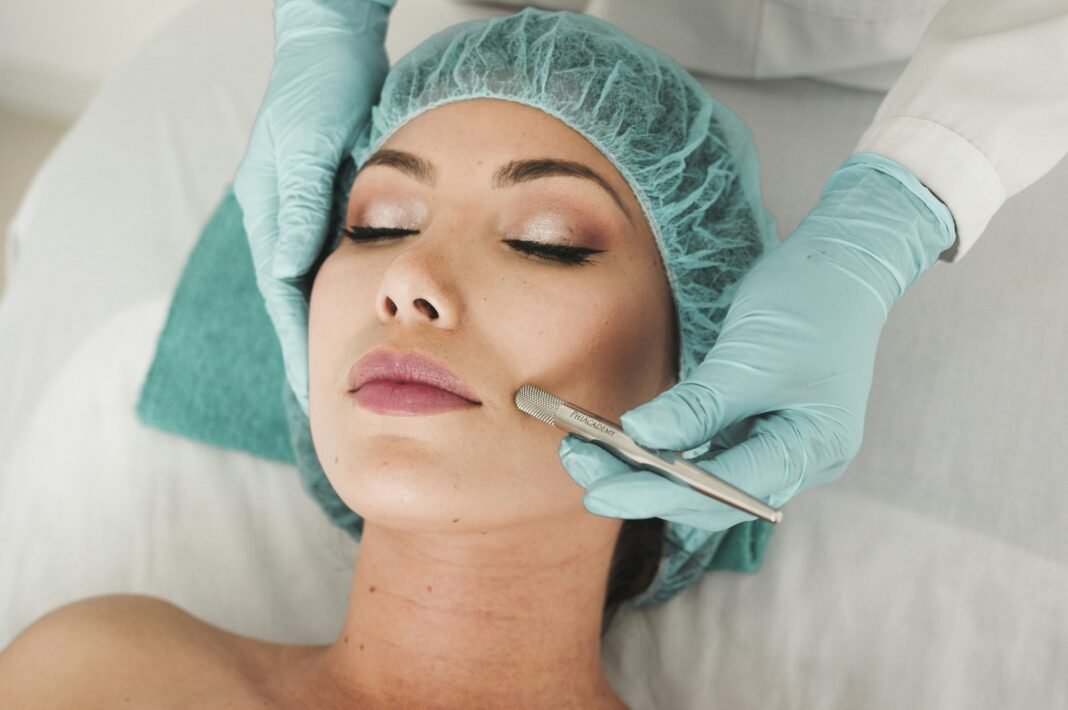
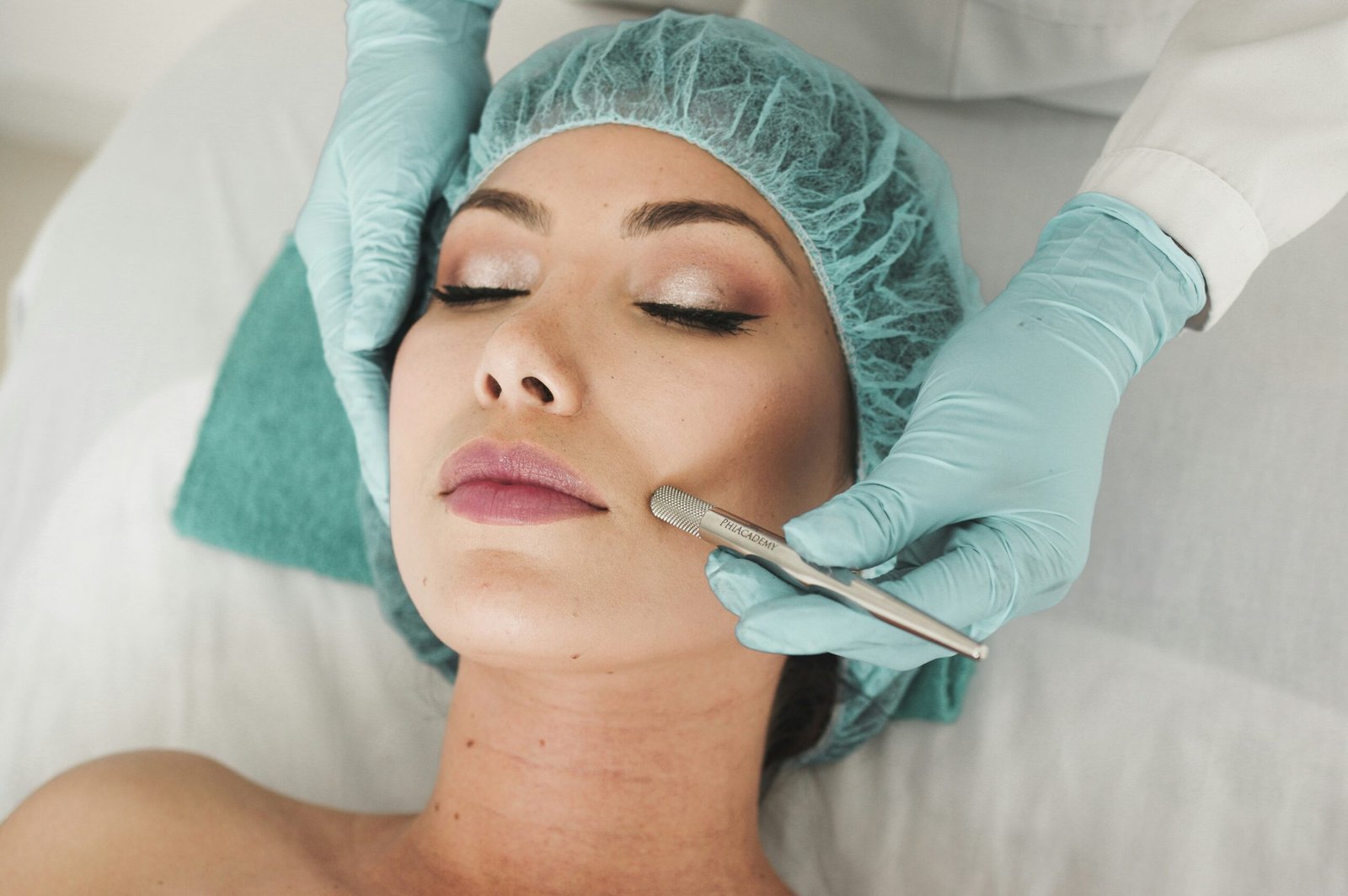
On the day of the treatment, patients are usually advised to arrive with clean skin, free from makeup and lotions, to enhance the effectiveness of the procedure. The session itself typically lasts between 30 to 90 minutes, depending on the area being treated and the specific techniques employed. During the procedure, a handheld device is used to deliver controlled radiofrequency energy into the deeper layers of the skin. Clients may experience a sensation similar to a warm massage as the treatment progresses. Most individuals tolerate the procedure well, reporting only mild discomfort, which is often likened to a warm sensation rather than pain.
After the treatment is completed, there is minimal downtime associated with radiofrequency therapy. Patients may experience slight redness and swelling in the treated area, similar to a mild sunburn, but these effects generally resolve within a few hours. The practitioner may recommend avoiding direct sun exposure and using a gentle skincare routine in the days following the session. Hydration is also emphasized, as it aids in skin recovery. It’s essential for clients to follow the aftercare instructions provided to maximize the benefits of the radiofrequency treatment and ensure optimal results over time.
Possible Side Effects and Risks
Radiofrequency treatments for skin tightening have garnered popularity due to their effectiveness in non-surgical skin rejuvenation. However, as with any medical procedure, there are potential side effects and risks that patients should consider before undergoing treatment.
Common side effects of radiofrequency treatments include temporary redness, swelling, and mild discomfort in the treated area. These symptoms are typically mild and transient, often resolving within a few hours to days post-treatment. The heating effect of the procedure can stimulate the skin’s healing response, leading to temporary irritation, which can appear similar to a sunburn. Patients may also experience some tenderness at the site of treatment, though this is usually minimal and short-lived.
In rare instances, more serious complications can arise from radiofrequency procedures. These may include burns, scarring, or changes in skin pigmentation. Such risks are often linked to the skill level of the practitioner performing the procedure and the specific technology used. It is crucial for patients to ensure that they are receiving treatment from qualified professionals who are experienced in radiofrequency technology.
Additionally, individuals with certain medical conditions—such as active infections, skin disorders, or those who are pregnant—should consult with their healthcare provider prior to undergoing treatment. It is essential for patients to disclose their complete medical history, as this may influence the risk of side effects.
Ultimately, understanding the possible side effects and risks associated with radiofrequency treatments is integral to making an informed decision. By choosing a skilled professional and discussing any concerns prior to the procedure, patients can enhance the likelihood of a safe and effective treatment experience.
Aftercare Tips for Optimal Results
Following radiofrequency treatments for skin tightening, it is essential to establish a comprehensive aftercare regimen to maximize the benefits of the procedure. The skin may appear slightly red or feel warm after the treatment; therefore, gentle care is crucial at this stage. Start by avoiding harsh skincare products that contain retinoids or acids for at least a week post-treatment. These ingredients can exacerbate irritation and hinder the healing process. Instead, opt for mild cleansers and soothing moisturizers to keep the skin hydrated and balanced.
Hydration plays a vital role in maintaining skin health after radiofrequency treatments. Drinking an adequate amount of water daily can enhance the skin’s elasticity and overall appearance. In addition, incorporating hyaluronic acid-based serums can further boost moisture levels, aiding in the recovery and ensuring the skin remains plump and rejuvenated.
While it’s important to maintain an active lifestyle, certain activities should be temporarily avoided post-treatment. Activities that may increase blood circulation, such as intense workouts, sauna sessions, or hot tubs, should be limited for at least 48 hours to decrease the risk of swelling or discomfort. Sun exposure should also be minimized, and sunscreen with a high SPF should be applied whenever outdoors, as the skin may be more sensitive following the procedure.
Furthermore, it is advisable to avoid picking at any peeling skin or active blemishes to prevent scarring or infection. Gentle exfoliation can be reintroduced after a week, promoting cellular turnover without damaging the skin. Regular follow-ups with a skincare professional can provide personalized guidance and adjustments to your aftercare routine based on your skin’s response to the treatment. Ultimately, adhering to these aftercare tips can significantly enhance the longevity and effectiveness of radiofrequency skin tightening results.
Comparing Radiofrequency Treatments to Other Skin Tightening Options
When it comes to skin tightening procedures, various options are available, each with its own set of advantages and drawbacks. Among these methods, radiofrequency treatments stand out as a popular non-invasive choice for rejuvenating the skin. In comparison to other skin tightening modalities such as laser therapy, ultrasound, and surgical interventions, understanding their pros and cons is essential for making informed skincare decisions.
Laser treatments utilize focused light energy to stimulate collagen production and improve skin elasticity. The main benefit of lasers is their precision, allowing targeted treatment of specific areas. However, they may require more downtime and can be associated with discomfort, as well as risks of hyperpigmentation, especially in individuals with darker skin types. Additionally, the effectiveness of laser treatments may diminish over time, necessitating maintenance sessions.
On the other hand, ultrasound therapy employs sound waves to penetrate deep into the dermis, promoting collagen synthesis and skin tightening. This technology is known for its ability to reach deeper layers of skin and offer a more substantial lift. Nevertheless, ultrasound treatments may be less effective on sagging skin compared to radiofrequency, which works by heating the tissue, producing more immediate tightening effects while improving skin texture over time.
Surgical options, such as facelifts, offer lasting and dramatic results but come with significant downsides, including lengthy recovery periods, visible scarring, and heightened risks associated with anesthesia. For those prioritizing minimal downtime and non-invasive solutions, radiofrequency treatments present a compelling alternative. They can be performed quickly, often without anesthesia, and typically involve little to no recovery, making them accessible for those with busy lifestyles.
In conclusion, radiofrequency treatments for skin tightening represent a viable alternative to lasers, ultrasound, and surgical options, offering distinct benefits while minimizing drawbacks. Each treatment modality embodies its unique characteristics, therefore understanding these differences empowers individuals to select the approach best suited to their needs and preferences.
Conclusion: Is Radiofrequency Right for You?
Radiofrequency (RF) treatments for skin tightening have garnered significant attention in recent years due to their non-invasive nature and effectiveness. Throughout this guide, we have explored various aspects of RF treatments, including how they function, the different types available, and the numerous benefits they offer. This advanced technology works by stimulating collagen production and promoting skin elasticity, making it an appealing option for individuals seeking to address sagging skin and signs of aging.
However, it is crucial to recognize that RF treatments may not be suitable for everyone. Factors such as skin type, age, and specific skin concerns should all be taken into account when evaluating treatment options. Additionally, potential risks and side effects must be considered. While most patients experience minimal downtime and adverse effects, some may have unique sensitivities or conditions that could affect their experience.
Before deciding whether radiofrequency treatments are right for you, it is advisable to consult with a qualified professional. A thorough consultation allows you to discuss your individual goals, receive tailored recommendations, and gain a comprehensive understanding of what to expect during the procedure. This informed approach enhances the likelihood of achieving satisfactory results and ensures that the treatment aligns with your specific needs.
Ultimately, exploring the option of radiofrequency for skin tightening can be a promising path toward rejuvenation and improved self-confidence. By making well-informed choices, informed by professional advice, you can navigate your skin tightening journey with greater assurance, knowing that you are prioritizing your health and well-being. The combination of professional guidance and personal reflection will yield the best outcomes, paving the way for a radiant, youthful appearance.