

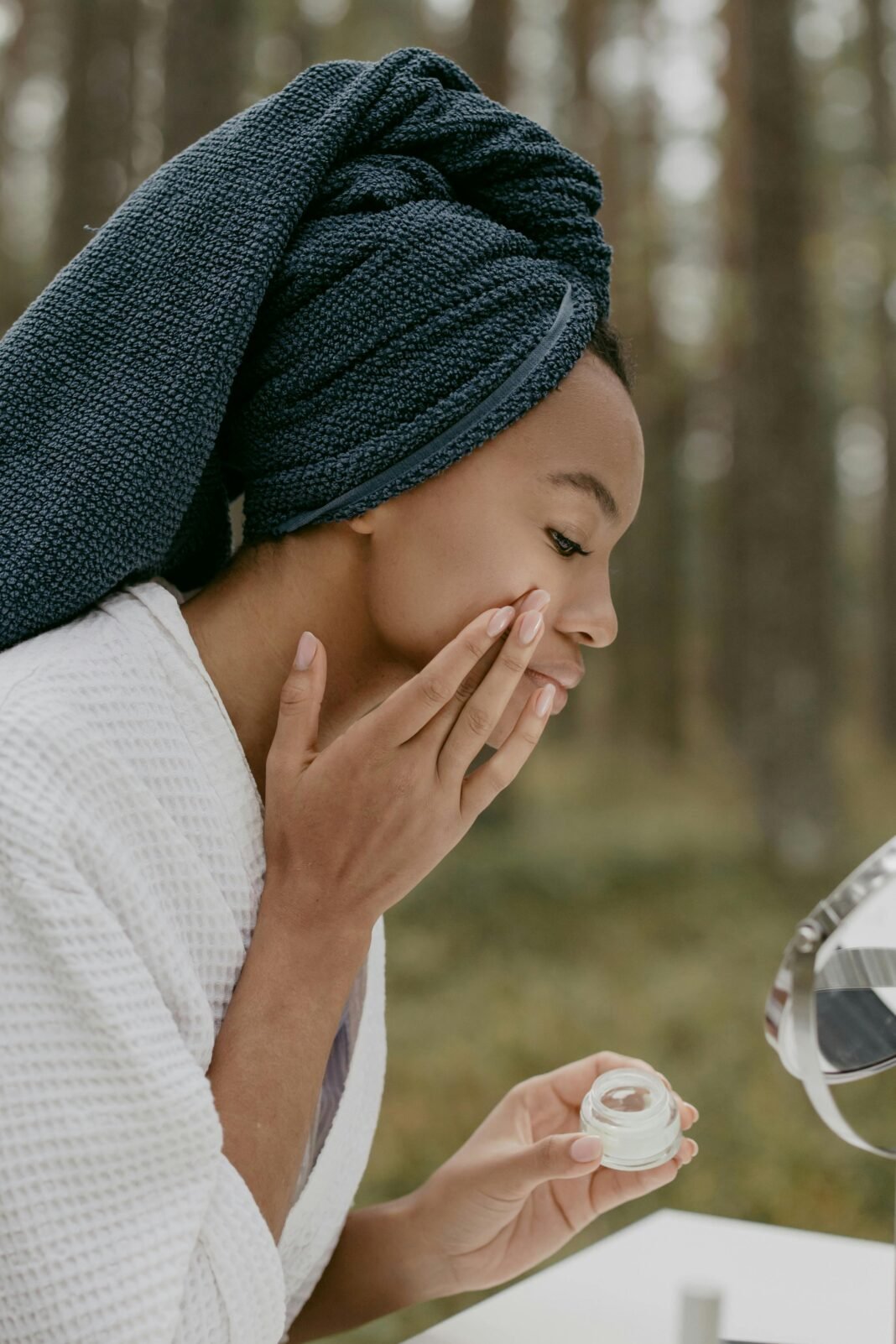
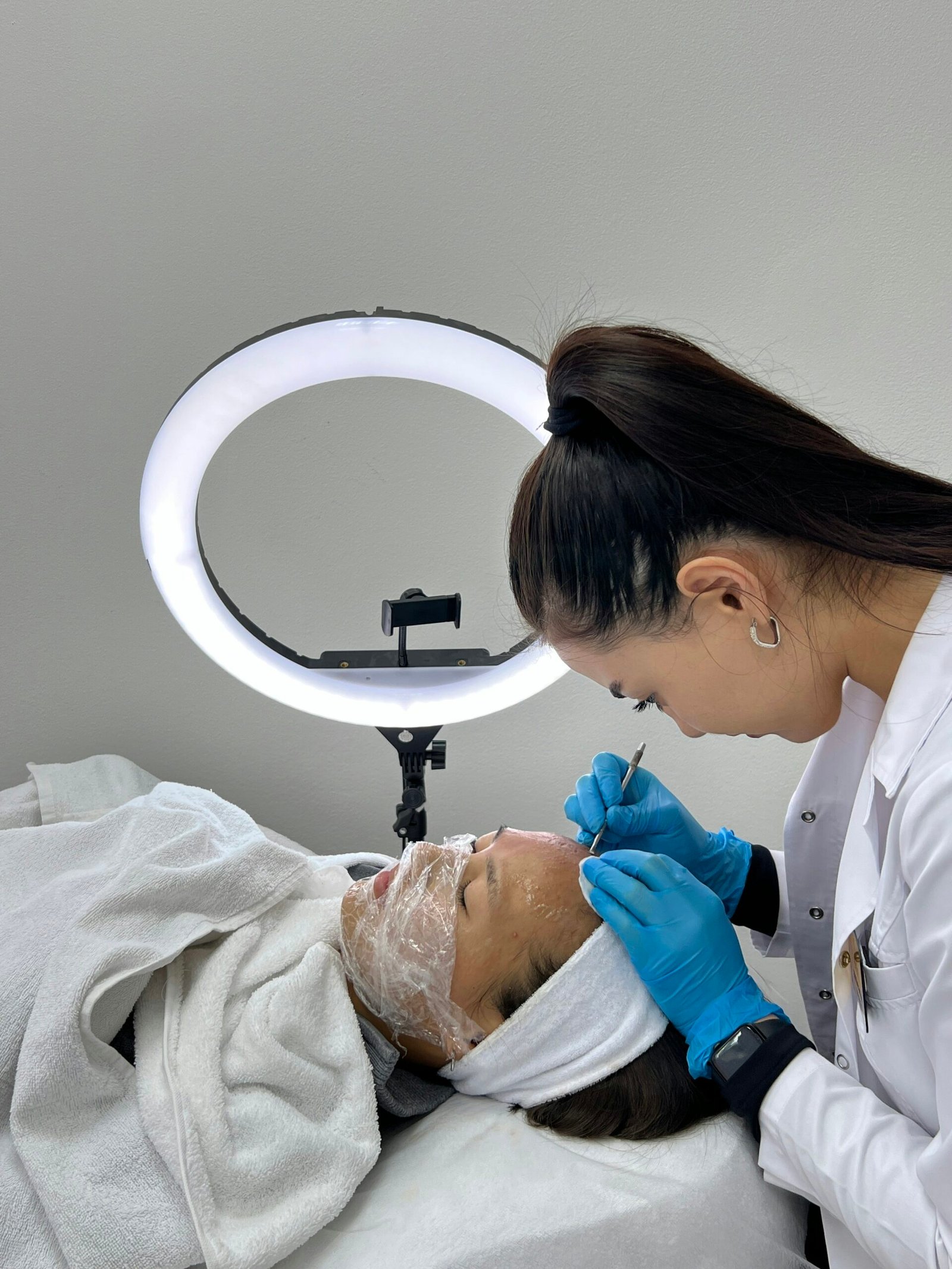
Introduction to Skin Rejuvenation
Skin rejuvenation refers to a variety of techniques and practices aimed at restoring the skin’s youthful appearance and enhancing its overall health. It is an essential aspect of skincare, particularly as individuals age and begin to notice changes in their skin’s texture, tone, and elasticity. Factors contributing to the aging of the skin include environmental influences, lifestyle choices, and the natural aging process itself. Understanding these elements is crucial in order to effectively address the needs of the skin.
Environmental impacts play a significant role in skin aging. Exposure to sun damage, pollution, and harsh weather conditions can lead to premature aging signs such as fine lines, wrinkles, and uneven skin tone. Furthermore, stress and lack of sleep can exacerbate these issues, resulting in a dull complexion and loss of vitality. Lifestyle choices, including diet and hydration levels, contribute significantly to skin health. A balanced diet rich in antioxidants and adequate water intake can help maintain the skin’s elasticity and firmness.
As individuals age, the natural processes of the body result in decreased collagen production and slower cell turnover rates, which further affects the skin’s appearance. The visible effects of aging often manifest as sagging, dryness, and hyperpigmentation, creating a desire for rejuvenation. At-home techniques offer an accessible and cost-effective means of addressing these concerns and reviving the skin’s natural beauty without the need for invasive procedures.
In exploring skin rejuvenation, it is important to recognize the multitude of at-home methods available that can promote significant improvements. Whether through the use of topical treatments, natural remedies, or consistent skincare routines, there are various strategies that can help individuals reclaim a more youthful and radiant appearance.
Understanding Your Skin Type
Identifying your skin type is an essential first step in developing an effective skincare routine. The primary skin types include oily, dry, combination, and sensitive. Each category has distinctive characteristics and requires tailored approaches for rejuvenation. Recognizing your specific skin type will enable you to choose the most suitable products and techniques for optimal results.
Oily skin is typically characterized by excess sebum production, resulting in a shiny appearance and enlarged pores. This type often experiences frequent breakouts due to clogged pores. To determine if you have oily skin, observe your skin’s shine after cleansing; if it remains slick within a few hours, you are likely dealing with an oily type. For rejuvenation, consider oil-free moisturizers and exfoliating treatments that remove dead skin cells without promoting additional oiliness.
Dry skin, on the other hand, often feels tight or rough and may exhibit flakiness and redness. This skin type generally lacks moisture, which can lead to a dull complexion. To identify dry skin, pay attention to areas that may feel rough or peel. For effective rejuvenation, incorporate rich moisturizers and hydrating serums that infuse your skin with essential nutrients and moisture.
Combination skin embodies characteristics of both oily and dry types, often presenting an oily T-zone with dry patches on the cheeks. If you experience varied skin responses in different areas of your face, you likely have combination skin. Tailoring your routine to address both concerns with balancing products is key to achieving a healthy complexion.
Finally, sensitive skin is often reactive and may show signs of irritation, redness, or allergic reactions. It is crucial to test products on a small area before full application. Gentle products with minimal irritants are advisable for rejuvenation. Understanding your skin type is vital in choosing the right techniques for healthy, revitalized skin.
Effective Cleansing Techniques
Proper cleansing is fundamental to any skincare routine, serving as the cornerstone for achieving healthy and revitalized skin. It creates a clean canvas, free from impurities, allowing skin to absorb rejuvenating products more effectively. Regardless of skin type—oily, dry, combination, or sensitive—a tailored approach to cleansing is paramount for optimal results.
For oily skin types, gel or foaming cleansers containing salicylic acid or tea tree oil can effectively remove excess oil and unclog pores. These ingredients not only cleanse but also minimize the appearance of breakouts, making them ideal for those prone to acne. On the other hand, individuals with dry skin should opt for cream-based cleansers infused with hydrating ingredients like glycerin or hyaluronic acid. These products cleanse without stripping the skin of its natural moisture, maintaining a healthy barrier and preventing dryness.
Sensitive skin requires special attention; gentle, non-foaming cleansers devoid of synthetic fragrances or harsh chemicals are preferred. Look for cleansers with calming ingredients, such as aloe vera or chamomile, to soothe the skin while effectively removing impurities.
Incorporating exfoliation into your cleansing routine can significantly enhance the results. Exfoliants, whether physical (scrubs) or chemical (AHAs and BHAs), help remove dead skin cells, revealing a brighter and smoother complexion. However, it is crucial to limit exfoliation to 1-2 times a week to avoid irritation.
Additionally, natural remedies such as honey and yogurt can serve as effective cleansers. Honey has antibacterial properties, while yogurt’s lactic acid gently exfoliates, making both suitable for various skin types. By selecting the appropriate cleansing techniques and products, individuals can create a personalized regimen that lays a solid foundation for revitalizing the skin.
Natural Exfoliation Methods
Exfoliation is an essential step in any skincare regimen, as it promotes cell turnover and reveals brighter, healthier skin. By removing dead skin cells from the surface, exfoliation can help prevent clogged pores, reduce blemishes, and enhance the overall texture of the skin. In this section, we will explore both physical and chemical exfoliation techniques that can be easily performed at home, including several DIY scrubs and recommendations for chemical exfoliants.
Physical exfoliation involves the use of granular substances or tools to scrub the skin, providing immediate results. A simple DIY scrub can be created using common kitchen ingredients such as sugar, coffee grounds, or oatmeal. For example, a mixture of brown sugar and olive oil not only exfoliates the skin but also moisturizes it, thanks to the nourishing properties of olive oil. It is important to apply the scrub gently, using circular motions, and to limit usage to 1-2 times per week to avoid skin irritation.
Chemical exfoliation utilizes acidic compounds to dissolve dead skin cells and improve skin texture. Common at-home chemical exfoliants include alpha hydroxy acids (AHAs) and beta hydroxy acids (BHAs). Lactic acid, derived from milk, acts as an effective AHA, promoting hydration and cell turnover, while salicylic acid, a BHA, targets acne-prone skin by penetrating and unclogging pores. It is critical to follow the product instructions closely, start with a lower concentration, and patch test to gauge skin sensitivity.
Regardless of the chosen method, it’s vital to take precautions. Always follow up exfoliation with a moisturizer and sunscreen, as freshly exfoliated skin can be more susceptible to sun damage. The frequency of exfoliation should be tailored to individual skin types; those with sensitive skin may require less frequent exfoliation than those with oilier skin. Understanding these methods can significantly contribute to revitalizing your skin.
Hydration Techniques for Radiant Skin
Hydration plays a crucial role in achieving and maintaining skin rejuvenation. Both topical and internal hydration are essential in order to promote a clear, glowing complexion. Topically, the application of moisturizers, creams, and serums containing hydrating ingredients can significantly enhance the skin’s moisture levels. Ingredients such as hyaluronic acid are particularly effective due to their ability to attract and retain water within the skin, thereby ensuring optimal hydration. Regular use of such products can lead to visibly plumper and smoother skin.
Understanding individual skin types is vital when selecting the right hydration products. For dry skin, thick creams or ointments may be beneficial, while those with oily skin might prefer lightweight gels or serums that provide moisture without clogging pores. Combination skin can often require a customized approach, utilizing different hydration products on various areas of the face. The right choice can help balance moisture levels while preventing skin issues such as excessive dryness or oiliness.
In addition to topical treatments, internal hydration is equally important. Drinking an adequate amount of water daily helps to flush out toxins and replenish moisture levels from within. This practice not only supports skin elasticity and overall appearance but also contributes to the health of other organs. Alongside water intake, incorporating hydrating foods such as cucumbers, oranges, and leafy greens into one’s diet can provide additional moisture and nutrients beneficial to the skin.
Incorporating these hydration techniques into a daily routine can significantly improve skin health and appearance. Focusing on both internal and external hydration methods fosters a comprehensive approach to skin rejuvenation, ensuring that the skin remains healthy, radiant, and vibrant. Regularly evaluating and adjusting hydration practices according to individual skin needs will enhance the effectiveness of any regimen aimed at achieving youthful-looking skin.
The Role of Nutrition in Skin Health
Nutrition plays a critical role in maintaining healthy skin, influencing not only its appearance but also its overall vitality. A well-balanced diet, rich in essential nutrients, can significantly contribute to skin rejuvenation and a youthful complexion. Key components of such a diet include antioxidants, healthy fats, vitamins, and minerals, which collectively help to combat oxidative stress, promote skin elasticity, and support cellular repair.
Antioxidants are particularly vital as they help protect the skin from free radical damage caused by environmental stressors such as UV radiation and pollution. Foods high in antioxidants, such as berries, dark leafy greens, nuts, and seeds, should be integral to your diet. Incorporating these foods can enhance skin luminosity and reduce signs of aging. Healthy fats, found in avocados, olive oil, and fatty fish like salmon, also contribute to skin hydration and elasticity, promoting a supple appearance.
Moreover, vitamins play a significant role in skin health. Vitamin C, for instance, is crucial for collagen synthesis and can be found in citrus fruits, strawberries, and bell peppers. Similarly, Vitamin E serves as an important antioxidant that protects skin lipids. Minerals like zinc and selenium, found in whole grains, shellfish, and legumes, also support skin structure and function.
Conversely, certain foods may negatively impact skin health. High-sugar and high-glycemic-index foods can exacerbate acne and lead to premature skin aging. Processed foods and those rich in unhealthy fats should be consumed sparingly, as they can trigger inflammation, disrupting the skin’s natural balance.
Incorporating a variety of nutrient-dense foods while being mindful of those that may cause harm can dramatically improve skin health. A balanced diet not only enhances the skin’s appearance but also nourishes it from within, laying a foundation for long-lasting rejuvenation and vitality.
DIY Face Masks for Rejuvenation
When it comes to revitalizing your skin, homemade face masks provide a convenient and effective solution. Utilizing common kitchen ingredients, these masks offer various benefits tailored to rejuvenate your skin. Here, we will explore several recipes and their individual advantages for skin health.
One popular option is the honey and yogurt mask, which combines the moisturizing qualities of honey with the gentle exfoliating properties of yogurt. To create this mask, mix two tablespoons of plain yogurt with one tablespoon of honey. Apply it to cleansed skin and leave it on for 15-20 minutes before rinsing with lukewarm water. This mask provides hydration while promoting a healthy glow, thanks to the lactic acid in yogurt that helps to remove dead skin cells.
Another effective rejuvenating mask is the avocado and oatmeal mask. Avocados are rich in essential fatty acids and vitamins, while oatmeal is known for its soothing properties. To make this mask, mash half an avocado and mix it with two tablespoons of finely ground oatmeal. Apply it to your face and let it sit for 20-25 minutes before washing it off with warm water. This combination nourishes and hydrates the skin, making it softer and more supple.
For those seeking a brightening effect, a lemon and turmeric mask is an excellent choice. Lemon contains natural acids that help brighten the complexion, while turmeric is renowned for its anti-inflammatory and soothing properties. Combine one tablespoon of lemon juice with half a teaspoon of turmeric powder, and apply it for 10-15 minutes, taking care to minimize sunlight exposure afterward. This mask helps even out skin tone but should be used no more than once a week due to the citrus’s potency.
Integrating these homemade face masks into your skincare routine can enhance your skin’s vitality and overall health. It is advisable to use these masks 1-2 times a week to allow your skin to reap their benefits without overwhelming it. Always perform a patch test to ensure there are no adverse reactions to any ingredients before application. Embrace the art of DIY skincare to achieve rejuvenated skin with minimal effort and cost.
Lifestyle Changes for Youthful Skin
Maintaining vibrant and youthful skin requires a holistic approach that encompasses various lifestyle factors. Key elements such as adequate sleep, regular exercise, and effective stress management significantly contribute to the skin’s health and rejuvenation. Prioritizing these lifestyle changes can result in noticeable improvements in skin quality and overall appearance.
Firstly, sleep plays a crucial role in skin restoration. During sleep, the body undergoes crucial repair processes, including the regeneration of skin cells and the production of collagen, which maintains skin elasticity. Aim for seven to nine hours of quality sleep each night. To enhance your sleep quality, establish a nightly routine that may include limiting screen time before bed, creating a dark and cool sleep environment, and engaging in relaxation techniques such as reading or meditation.
In addition to sleep, regular physical activity is essential for promoting youthful skin. Exercise helps to increase blood circulation, delivering essential nutrients and oxygen to skin cells. It also facilitates the removal of toxins through perspiration. Engaging in moderate exercise for at least 150 minutes per week can boost skin health significantly. Popular activities such as jogging, cycling, or group classes can make exercising enjoyable and sustainable.
Furthermore, managing stress is vital for skin rejuvenation. Chronic stress can lead to an increase in cortisol levels, which may result in skin issues such as acne or premature aging. Integrating stress management techniques, such as mindfulness meditation, yoga, or deep-breathing exercises, can foster a more balanced mental state and positively impact the skin. Maintaining a supportive social network can also be beneficial, as social interactions can help alleviate feelings of stress.
By incorporating these lifestyle changes—adequate sleep, regular exercise, and effective stress management—individuals can promote skin rejuvenation, leading to healthier and more youthful-looking skin in the long term.
Conclusion: Embracing Your Journey to Rejuvenation
As we conclude our exploration of at-home techniques for skin rejuvenation, it is essential to recognize that achieving healthy, vibrant skin is a personal journey. Throughout this blog post, we have discussed various methods that can effectively enhance your skincare routine, emphasizing the significance of consistency and individualized approaches. Skincare is not a one-size-fits-all regimen; instead, it requires a thoughtful consideration of personal skin concerns and preferences. Take the time to experiment with different techniques, whether it be natural masks, exfoliating routines, or hydration strategies.
The road to rejuvenation is marked by trial and error, so allowing yourself the flexibility to adjust your skincare practices is crucial. For instance, the incorporation of facial oils or serums may yield fantastic results for some, while others may find better outcomes with lighter moisturizers or gel-based products. By paying attention to how your skin responds, you will learn which techniques are most effective for your unique needs, leading to a rejuvenated and revitalized complexion.
Furthermore, adopting a positive mindset towards self-care plays a vital role in your skincare journey. Embrace the process, celebrate small victories, and recognize the value of nourishing not just your skin but also your overall well-being. When investing time in self-care, remember that rejuvenation encompasses both physical and emotional health. The integration of these at-home techniques into your routine can promote a sense of empowerment over your skin health, fundamentally transforming your approach to self-care.
Ultimately, skin rejuvenation is about more than just aesthetics; it is a holistic practice that contributes to self-esteem and overall vitality. Commit to your journey of discovering the most effective at-home techniques, and allow your skin to reflect the care and intention you invest in it.