


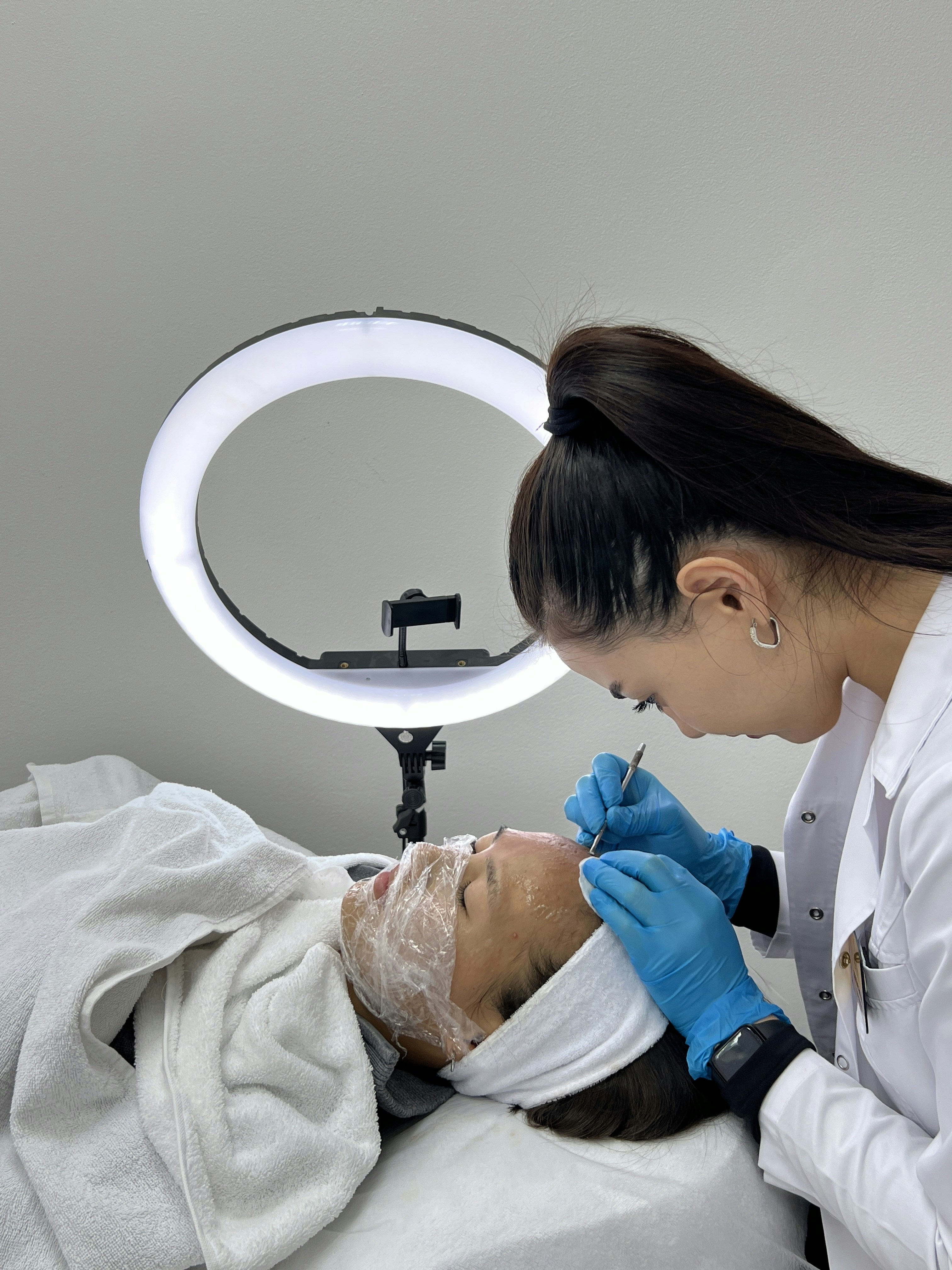
Introduction to Facial Fillers
Facial fillers, often referred to as dermal fillers, are injectable substances designed to enhance facial contours, restore volume, and reduce the appearance of wrinkles. They have gained immense popularity in recent years for their ability to provide immediate cosmetic improvements with minimal downtime. These fillers can be administered in a clinical setting, typically by trained medical professionals such as dermatologists or plastic surgeons.
There are various types of facial fillers available on the market, categorized mainly into two groups: temporary and permanent fillers. Temporary fillers, such as hyaluronic acid and calcium hydroxylapatite, offer a more subtle enhancement and require repeat treatments every few months to maintain desired results. In contrast, permanent fillers offer longer-lasting effects but carry higher risks, making them a choice suitable for more experienced patients or specific applications.
Hyaluronic acid fillers are among the most common options, drawing moisture to the treated area, which enhances volume and improves skin texture. Other types, like poly-L-lactic acid, stimulate the body’s natural collagen production, leading to longer-term benefits. Each type of filler comes with distinct properties and intended uses, allowing practitioners to tailor treatments to individual patient needs.
The application of facial fillers has transformed the landscape of cosmetic procedures, making aesthetic enhancements accessible without the need for surgical intervention. As interest in non-invasive options grows, it is essential to understand both the potential benefits and risks associated with these products. In the following sections, we will delve deeper into the advantages, concerns, and expert opinions surrounding the use of facial fillers in contemporary cosmetic practice.
Types of Facial Fillers
Facial fillers have gained significant popularity in the realm of aesthetic medicine for their ability to enhance volume and restore youthful contours to the face. Among the various types of facial fillers available, hyaluronic acid, collagen-based fillers, and fat grafting are the most commonly used. Each of these options presents unique characteristics, longevity, and suitability for addressing diverse facial concerns.
Hyaluronic acid (HA) fillers are perhaps the most well-known type. HA is a naturally occurring substance in the body, particularly within the skin, where it helps retain moisture and provide volume. Due to its biocompatibility, HA fillers tend to have a low risk of allergic reactions. These fillers can last anywhere from six months to two years, depending on the specific product used and the treatment area. They are particularly effective for smoothing fine lines, plumping lips, and augmenting cheek volume.
Collagen-based fillers, on the other hand, utilize collagen, a protein vital for skin elasticity and firmness. While not as prevalent today due to the emergence of HA products, collagen fillers still hold a place in cosmetic treatments. Their longevity tends to be shorter, typically ranging from three to six months. Patients with specific needs, such as deeper wrinkles or scars, may find these fillers particularly appealing.
Fat grafting represents a more invasive approach, involving the harvesting of adipose tissue from another part of the body, which is then injected into the face. This method not only provides volume but also promotes a natural integration with existing tissues. The longevity of fat grafting can be considerable, often lasting several years. However, this technique requires a longer recovery time and potential complications related to surgery. Each type of facial filler has its own set of advantages and considerations, making it essential for individuals to consult with qualified professionals to determine the best option for their unique needs.
Benefits of Using Fillers
Facial fillers offer a range of benefits that make them an attractive option for individuals seeking to enhance their appearance without resorting to surgery. One of the most significant advantages is the immediate results that fillers provide. Patients can often see a marked difference in their facial features right after the procedure, which is a compelling incentive for those looking for quick enhancements. Whether it involves smoothing out wrinkles or adding volume to specific areas like the cheeks or lips, the transformative effects of fillers can significantly boost self-esteem and confidence.
Another distinct benefit of facial fillers is their less invasive nature compared to traditional surgical procedures. Surgical options can require lengthy recovery periods and carry higher risks associated with anesthesia and infection. In contrast, fillers are typically administered in a brief office visit, allowing patients to return to their daily activities almost immediately. This convenience appeals to individuals with busy lives who seek effective cosmetic solutions but cannot afford extended downtimes.
The versatility of fillers also plays a crucial role in their appeal. They can be used to enhance facial contours, providing a sculpted look that establishes balance and harmony in one’s features. This ability to customize treatment ensures that each patient can achieve their desired aesthetic goals tailored specifically to their unique facial structure. Many individuals report satisfaction not only with the results but also with the process itself, highlighting how non-invasive procedures can lead to rewarding and satisfying experiences.
Expert opinions on the efficacy and safety of fillers further reinforce their popularity. Dermatologists and cosmetic specialists often advocate for fillers as a practical solution for those wishing to address signs of aging or to achieve a youthful allure. The combination of immediate results, minimal downtime, and customization underscores why fillers have become a preferred choice for many individuals seeking facial enhancements.
Potential Risks and Side Effects
Facial fillers have gained popularity for their ability to enhance aesthetic appeal, but potential risks and side effects are inherent in their use. Understanding these risks is crucial for anyone considering this cosmetic procedure. Common reactions following filler injection include swelling, bruising, and redness at the injection site. Such symptoms usually resolve within a few days and are generally mild. However, individuals may experience varying degrees of reaction based on their skin sensitivity and the type of filler used.
More severe complications, although rare, can occur. These may include allergic reactions, resulting in prolonged swelling and discomfort, as well as the formation of lumps that may necessitate further treatment. Infections at the injection site are another concern, emphasizing the need for sterile techniques during the procedure. Notably, there is also a risk of vascular occlusion, a serious condition where injected filler blocks blood vessels, potentially leading to tissue necrosis or even vision impairment if the filler enters the vascular system. This underscores the significance of selecting qualified, experienced professionals who adhere to safety protocols.
It is further advisable for individuals to disclose their medical history and any medications they are currently taking, as certain health conditions and medications may increase the likelihood of complications. For example, blood thinners can exacerbate bruising. As such, the consultation process should involve a thorough discussion of risks and a realistic assessment of expected outcomes.
Ultimately, while facial fillers can offer impressive aesthetic results, recognizing the potential risks and side effects is vital in making an informed decision. Engaging with a qualified practitioner can help mitigate risks and enhance the overall experience of using facial fillers.
Choosing the Right Practitioner
When considering filler injections, the importance of selecting a qualified and experienced practitioner cannot be overstated. The nature of these cosmetic procedures means that outcomes can significantly vary based on the practitioner’s skill, knowledge, and approach. Therefore, it is critical to conduct thorough research before undergoing treatment.
First and foremost, check the credentials of any practitioner you are considering. Look for professionals who are certified and have specialized training in aesthetics or dermatology. Confirm that they are licensed to perform cosmetic injections in your region. Many practitioners will display their qualifications on their practice’s website or within their clinic. If this information isn’t readily available, don’t hesitate to ask for documentation during your consultation.
In addition to credentials, searching for client reviews and testimonials can provide valuable insight into the practitioner’s reputation and the quality of their work. Websites such as RealSelf or Yelp can offer peer feedback, showcasing the experiences of other clients. Look for patterns in the reviews—both positive and negative—to gauge the practitioner’s consistency in achieving satisfactory results.
A thorough consultation before the procedure is essential. This meeting provides an opportunity to discuss your aesthetic goals, expectations, and any concerns you may have. A competent practitioner will take the time to understand your desires and provide detailed explanations of the procedure, possible side effects, and post-treatment care. They should be open to answering all of your questions, allowing you to make an informed decision.
Ultimately, the relationship between you and the practitioner should be built on trust and communication. Taking the time to choose the right individual for your filler injections will not only enhance your confidence but also increase the likelihood of achieving your desired results safely and effectively.
Aftercare and Maintenance
After receiving fillers, adhering to specific aftercare guidelines is crucial to ensure optimal results and minimize potential complications. Patients are encouraged to pay attention to how they care for their skin post-treatment, as proper maintenance can significantly enhance the longevity of the results.
Among the primary dos following filler injections is to hydrate the skin adequately. Drinking plenty of water helps maintain skin elasticity and overall health, which can support the filler’s appearance. Additionally, it is advisable to avoid strenuous exercise and excessive sun exposure for at least 24 to 48 hours following the treatment. Engaging in intense physical activities can increase swelling and bruising, while sun exposure can lead to irritation or discoloration at the injection sites.
On the other hand, there are key don’ts that patients should be mindful of. Avoid massaging or manipulating the treated areas for at least a week, as this can cause the filler to migrate away from the intended area. Furthermore, refrain from consuming alcohol and taking blood-thinning medications, such as aspirin or ibuprofen, in the initial days post-treatment. These substances can exacerbate bruising and prolong recovery time.
Managing discomfort is also a crucial aspect of aftercare. Some patients may experience mild swelling or tenderness at the injection sites, which can be alleviated with cold compresses. Over-the-counter pain relief may be utilized, but it is essential to consult with a medical professional before taking any medications.
Follow-up appointments play a pivotal role in the aftercare process. These visits allow healthcare providers to evaluate the results, address any concerns, and provide guidance for touch-ups if necessary. Regular maintenance sessions help ensure that the desired aesthetic is achieved and sustained over time, reinforcing the importance of ongoing care in the effectiveness of fillers.
Myths and Misconceptions About Fillers
Facial fillers have become increasingly popular in recent years, yet several myths and misconceptions still circulate about their use, safety, and effects. One common misconception is that fillers provide permanent results. In reality, most dermal fillers are temporary and typically last from six months to two years, depending on the type of filler used and the individual’s physiological factors. This transience allows for modifications over time and ensures that the results can be adjusted as desired.
Another prevalent myth is that facial fillers are unsafe. While any medical procedure carries some level of risk, the vast majority of fillers on the market today are considered safe when administered by qualified professionals. The Food and Drug Administration (FDA) has approved several types of fillers to treat volume loss and enhance facial contours, underscoring their safety profile. However, it is crucial to have these procedures performed by certified dermatologists or plastic surgeons who can evaluate individual needs and mitigate potential complications.
People often fear that using fillers will leave them looking unnatural or overly augmented. This belief arises from seeing instances where individuals have received excessive filler, leading to an exaggerated appearance. However, when applied judiciously, fillers can create subtle and aesthetically pleasing enhancements. Skilled practitioners prioritize a natural look and will tailor treatments to complement facial structure rather than alter it excessively. Additionally, the rise of micro-injections allows for more precise control over the amount of filler used, further minimizing the risk of an unnatural appearance.
In summary, understanding the truths behind facial fillers is imperative for anyone considering this option for facial rejuvenation. Dispelling myths about permanence, safety, and aesthetic outcomes can help individuals make informed choices about their cosmetic treatments.
Real-Life Experiences and Case Studies
Filler treatments have gained immense popularity in recent years, with many individuals seeking these procedures for various reasons. To provide a balanced perspective, it is beneficial to explore real-life experiences and case studies from individuals who have undergone such treatments. These narratives can help illuminate the motivations behind choosing fillers, the treatment processes involved, the results achieved, and the overall satisfaction levels among patients.
One case study involves a 35-year-old woman who opted for lip fillers to enhance her lip volume, which she felt had diminished over the years. Her motivation stemmed from a desire to restore youthful fullness to her appearance. During her consultations, she learned about the different types of fillers available and the application techniques used by practitioners. After undergoing the procedure, she reported minimal discomfort and a quick recovery, allowing her to return to her daily routine promptly. The results, which provided her with enhanced lip contouring, left her feeling more confident and satisfied.
Another example includes a 50-year-old man who sought dermal fillers to address nasolabial folds and sagging skin. His reason for pursuing this treatment was not vanity, but rather a response to societal pressures in a competitive work environment. The treatment process was carefully explained to him, including the use of hyaluronic acid-based fillers known for their effectiveness in providing volume and structure. Following the treatment, he experienced temporary swelling but was pleasantly surprised by the natural look of the enhancements. His experience highlighted the emotional impact of fillers, noting an increase in self-esteem and improved interactions in professional settings.
Through these real-life examples, it becomes evident that motivations for filler treatments can vary widely, from aesthetic enhancement to improved self-confidence. Individual satisfaction hinges on the alignment of expectations and outcomes, underscoring the importance of thorough consultations prior to undergoing any procedure.
Conclusion: Making Informed Decisions
As the popularity of facial fillers continues to rise, it is imperative for individuals considering these cosmetic enhancements to remain well-informed. Understanding the various types of fillers, their potential effects, longevity, and risks is crucial for making educated choices. Each individual’s anatomy, skin type, and aesthetic goals play a significant role in determining the suitability of specific fillers. Therefore, personalized consultations with qualified professionals are essential.
Before proceeding with facial fillers, individuals must weigh the pros and cons. While fillers can enhance facial features, diminish wrinkles, and restore volume, the risks—including allergic reactions, dissatisfaction with results, or complications from improper administration—should not be overlooked. The importance of selecting an experienced practitioner cannot be overstated; their expertise can help minimize risks and ensure optimal outcomes. Additionally, discussing realistic expectations with a professional can aid in avoiding disappointment post-treatment.
Furthermore, staying informed about advancements in fillers and emerging technologies in cosmetic dermatology can empower individuals to make better decisions. It is important to seek information from reputable sources and to be wary of trends that may not be supported by evidence-based research. Engaging in open discussions with colleagues, friends, or within support groups can also provide insight and shared experiences that might illuminate the decision-making process.
Ultimately, deciding to undergo filler treatment is a personal choice that warrants careful consideration. By prioritizing education and professional guidance, individuals can navigate the complexities of filler options effectively, leading to choices that align with their desired outcomes while maintaining safety and satisfaction throughout the process.