


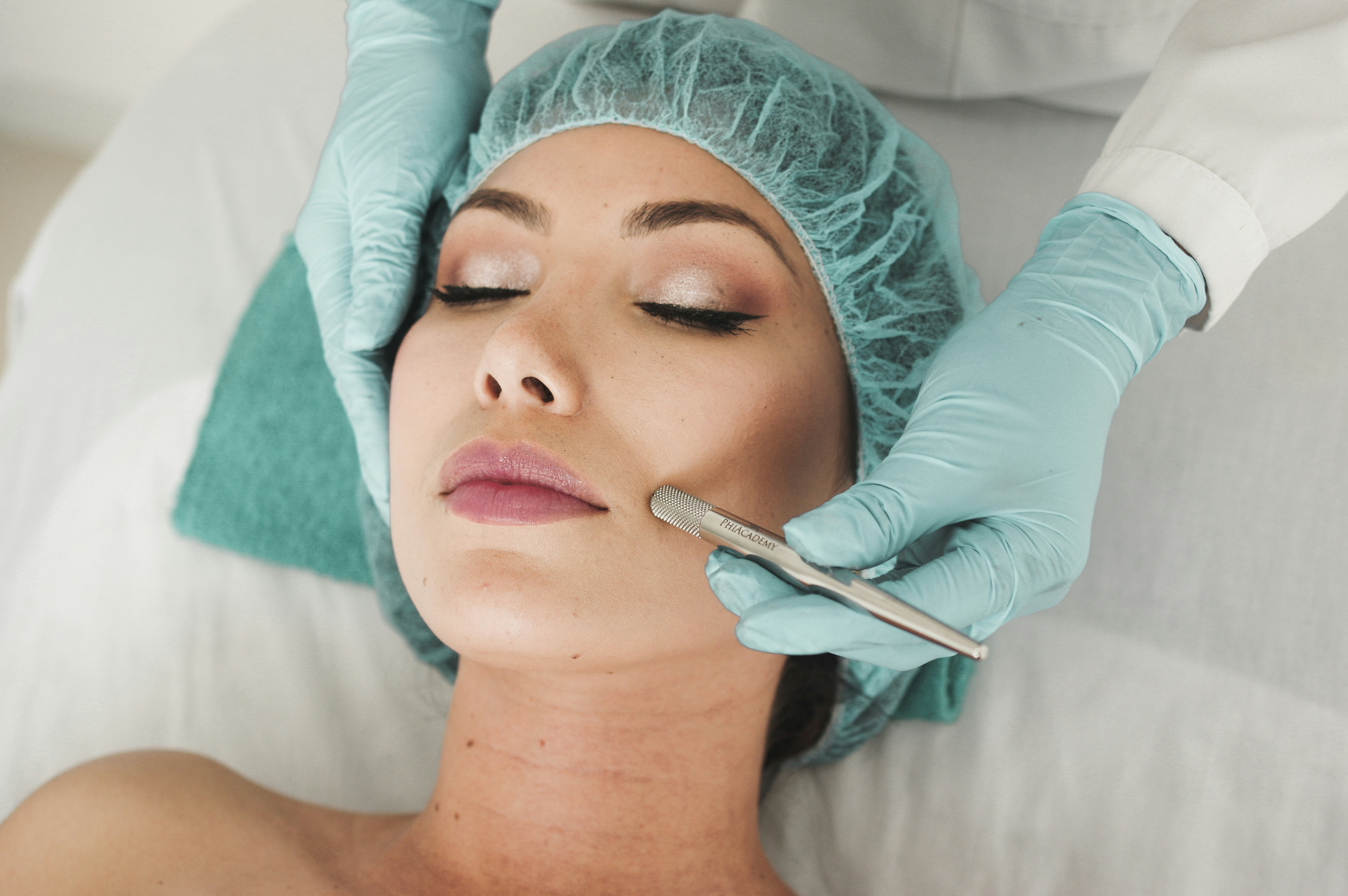
Introduction to Laser Skin Resurfacing
Laser skin resurfacing is an advanced cosmetic procedure designed to enhance the texture and appearance of the skin. By utilizing highly focused beams of light, this treatment aims to alleviate various skin concerns such as wrinkles, fine lines, acne scarring, and age spots. As a minimally invasive procedure, laser skin resurfacing has been gaining tremendous popularity in the realm of cosmetic dermatology, appealing to a broad demographic seeking effective solutions for skin rejuvenation.
The fundamental concept behind laser skin resurfacing involves the precise targeting of specific skin layers. The laser removes the outer layer of damaged skin while simultaneously stimulating the underlying dermis to promote collagen production. This dual action results in a smoother, firmer complexion and encourages the growth of new, healthy skin cells. Various types of lasers, such as ablative and non-ablative lasers, are employed depending on individual skin types and desired outcomes. Ablative lasers, for example, are more invasive and involve a longer recovery period, while non-ablative lasers are less aggressive and require minimal downtime.
Ultimately, laser skin resurfacing serves as an effective measure for individuals looking to enhance their skin’s quality and combat the visible signs of aging, providing a rejuvenated and refreshed complexion. This introduction sets the stage for a deeper exploration of the procedure, its benefits, and critical considerations for potential candidates.
Understanding Different Types of Laser Resurfacing
Laser skin resurfacing is a popular cosmetic procedure that utilizes targeted laser energy to improve skin texture and appearance. There are primarily two categories of laser resurfacing: ablative and non-ablative lasers. Each type has its unique characteristics, advantages, and disadvantages that can influence a patient’s choice based on individual skin concerns and desired outcomes.
Ablative lasers, as the name suggests, work by removing the outer layers of damaged skin. This technique is effective for treating a variety of issues, such as deep wrinkles, scars, and severe sun damage. Common types of ablative lasers include carbon dioxide (CO2) and erbium lasers. One of the main advantages of ablative laser resurfacing is the dramatic improvement that can be achieved in a single session. However, this comes with a longer recovery time, as the skin may take several weeks to heal completely. Patients may also experience redness, swelling, and sensitivity following the procedure.
In contrast, non-ablative lasers target the deeper layers of skin without damaging the surface. This category includes technologies like fractional lasers and pulsed dye lasers. Non-ablative resurfacing is particularly beneficial for individuals seeking milder improvements in skin laxity and pigmentation with minimal downtime. The primary advantage is that the recovery period is significantly shorter, allowing patients to return to their daily activities more quickly. However, results from non-ablative treatments may take more sessions to achieve comparable improvements, resulting in a longer overall treatment timeframe.
Ultimately, the choice between ablative and non-ablative laser resurfacing will depend on a patient’s skin type, concerns, and goals. Consulting with a qualified dermatologist or cosmetic surgeon is essential for determining the best approach for individual needs, ensuring optimal results and safety during the procedure.
Benefits of Laser Skin Resurfacing
Laser skin resurfacing provides a multitude of benefits, making it a popular choice for individuals seeking to improve their skin’s appearance. One of the most significant advantages of this procedure is the enhancement of skin tone. By targeting uneven pigmentation and discoloration, laser treatments help to create a more uniform complexion. Individuals often report a renewed clarity in their skin, which contributes to a more youthful and vibrant appearance.
Furthermore, this aesthetic procedure is effective in reducing fine lines and wrinkles. The laser stimulates collagen production, which is critical for maintaining skin elasticity and firmness. As a result, patients typically experience smoother skin, with a visible reduction in age-related signs. Consequently, this improved texture can enhance overall facial aesthetics, promoting a natural and refreshed look.
Another notable benefit of laser skin resurfacing is the diminishment of scars, especially those caused by acne or surgical procedures. The targeted nature of laser treatment allows for precise removal of damaged skin, facilitating the growth of new, healthier skin cells. Over time, patients witness a remarkable improvement in scar visibility, leading to greater skin confidence.
Additionally, laser resurfacing is highly effective in treating sun damage, such as age spots and rough skin texture. By utilizing focused light energy, the treatment encourages the shedding of damaged outer layers, revealing the healthier skin underneath. This not only treats existing issues but also helps in preventing future damage, thereby fostering long-term skin health.
Ultimately, the benefits of laser skin resurfacing extend beyond aesthetic improvements. With a brighter, smoother complexion, many individuals experience a boost in self-esteem and confidence, empowering them to present their best selves to the world.
What to Expect Before the Procedure
Preparing for laser skin resurfacing is a vital step to ensure the best possible outcome. A thorough pre-procedure consultation with a qualified dermatologist or cosmetic professional is essential. During this consultation, the specialist will assess your skin type, discuss your medical history, and identify any concerns you may have regarding the procedure. Understanding your unique skin condition aids in tailoring the treatment plan specifically to your needs.
Before the procedure, the practitioner may conduct a comprehensive skin assessment. This evaluation allows them to determine the most suitable laser technology for your complexion and dermatological issues. Different skin types react uniquely to laser treatments, and it is crucial to choose the right approach to minimize risks and enhance results. The skin assessment will also help set realistic expectations regarding the outcomes of the resurfacing process based on your skin’s particular characteristics.
In addition to consultations and assessments, there are several pre-treatment instructions to consider. Your dermatologist may advise you to avoid sun exposure, certain medications, and skincare products that could cause irritation. This guidance typically includes refraining from using retinoids, alpha hydroxy acids, or products containing harsh ingredients at least a week prior to the procedure. Maintaining a well-hydrated skin regime leading up to the treatment can also optimize your skin’s readiness for resurfacing.
Furthermore, having a clear understanding of what to expect post-treatment is crucial. It is normal to experience redness and swelling after the procedure, and these effects are generally temporary. Knowing the healing process, including typical timelines for recovery, will help you prepare better for the days following the treatment. Ultimately, thorough preparation contributes significantly to achieving optimal results from laser skin resurfacing.
The Procedure: Step-by-Step
Laser skin resurfacing is a complex procedure that requires careful preparation and execution. Understanding each step can significantly ease any apprehensions a patient may have. Initially, a consultation with a qualified dermatologist or cosmetic surgeon is essential. During this consultation, the practitioner evaluates the skin condition, discusses the patient’s goals, and determines the appropriate type of laser for the treatment.
On the day of the procedure, the first step involves cleansing the skin thoroughly. This is crucial to eliminate any makeup, oils, or impurities that may hinder the laser application. After cleansing, a topical anesthetic is often applied to minimize discomfort. In some cases, especially for deeper treatments, sedation may be employed for enhanced comfort.
Once the skin is adequately prepared and anesthetized, the practitioner will begin the laser resurfacing. The duration of the procedure can vary, typically lasting between 30 minutes to two hours, depending on the area being treated and the specific laser technique used. During the treatment, patients may feel a warming sensation or slight stinging, akin to the feeling of a rubber band snapping against the skin. These sensations are generally well-tolerated and indicate the procedure’s effectiveness.
As the laser is applied, it precisely removes damaged skin layers while promoting collagen production, which aids in rejuvenating the skin’s appearance. Post-treatment care is crucial. Patients will receive aftercare instructions detailing how to manage discomfort, protect the skin, and optimize healing. This may include the use of specific ointments and avoiding sun exposure. With proper following of these recommendations, patients can look forward to a smoother and more youthful complexion in the weeks following the procedure.
Post-Procedure Care and Recovery
After undergoing laser skin resurfacing, proper post-procedure care is essential for achieving optimal results and minimizing complications. Immediately following the treatment, patients may experience some common side effects such as redness, swelling, and a sensation akin to sunburn. These effects typically diminish within a few days, but it is important to follow your dermatologist’s instructions carefully during this period.
For the initial recovery phase, which can last one to two weeks, it is recommended to keep the treated area clean and moisturized. A gentle cleanser should be used, avoiding products with strong fragrances or irritants to prevent further inflammation. Additionally, applying a recommended aftercare product, such as a healing ointment or a specialized post-laser moisturizer, can enhance skin recovery and improve comfort. Patients should also protect their skin from sun exposure, as ultraviolet rays can hinder healing; wearing a broad-spectrum sunscreen with high SPF is critical.
During the healing process, it is common for patients to experience peeling or flaking skin. This is a natural part of the recovery, and touching or picking at the skin is strongly discouraged, as it can lead to scarring or infections. Keeping the area hydrated and allowing the skin to shed naturally will promote the best results.
It is essential to observe any unusual symptoms during recovery. If persistent redness, swelling, or irritation occurs, or if there are signs of infection such as pus or increased pain, contacting a healthcare professional is crucial. Regular follow-ups with your dermatologist can ensure any concerns are addressed promptly. By adhering to these post-procedure care guidelines, patients can support their skin’s healing process and maintain the benefits of laser skin resurfacing.
Potential Risks and Side Effects
Laser skin resurfacing is a widely embraced cosmetic procedure, offering a range of benefits, including the improvement of skin texture and the reduction of wrinkles. However, it is essential to recognize that no medical intervention is without risks. Understanding the potential side effects and complications associated with laser skin resurfacing can empower individuals to make informed decisions regarding their skincare regimen.
One of the most common side effects following laser resurfacing is skin irritation. Patients may experience redness, swelling, and a sensation similar to sunburn in the treated area. Typically, these symptoms subside within a few days; however, it is crucial for patients to follow post-treatment care instructions diligently to mitigate discomfort and promote healing.
Discoloration of the skin is another potential risk. This can manifest as hyperpigmentation or hypopigmentation, resulting in patches that are darker or lighter than the surrounding skin. Individuals with darker skin tones may be at a heightened risk for such changes. To reduce this risk, pre-procedure consultations with a qualified dermatologist are vital, as they can tailor treatment plans to minimize complications.
In more rare cases, patients may experience adverse reactions such as scarring or infections. These outcomes are generally associated with improper post-care or treatment by an inexperienced practitioner. Hence, it is crucial for individuals considering laser resurfacing to select a qualified professional with a proven track record.
Ultimately, being aware of these potential risks and side effects allows individuals to weigh them against the desired results of laser skin resurfacing. Prioritizing safety and understanding one’s own skin type and condition is essential in making an informed choice regarding this popular cosmetic procedure.
Cost and Insurance Considerations
Laser skin resurfacing treatments can vary significantly in cost, primarily due to several factors such as the type of laser used, the extent of the treatment area, and the geographic location of the provider. On average, patients can expect to pay anywhere from $1,000 to $3,000 per session. However, advanced techniques or larger treatment areas may increase this price. It is important for patients to note that multiple sessions may be required to achieve the desired results, further impacting the overall financial commitment.
Various factors influence the pricing of laser skin resurfacing. Firstly, the practitioner’s experience and credentials can lead to differences in pricing; specialists in dermatology or plastic surgery may charge a premium for their expertise. The type of laser utilized also plays a role, with ablative lasers typically costing more than non-ablative options, which may require less recovery time. Additionally, the facility’s location can influence treatment costs, as urban centers generally have higher overhead expenses compared to rural clinics.
Regarding insurance coverage, laser skin resurfacing is often classified as an elective procedure, meaning it may not be covered by most health insurance plans. Patients seeking treatment for medical conditions such as acne scars or sun damage may have more success obtaining some level of reimbursement, but this typically requires thorough documentation and justification from a healthcare provider. To navigate these financial considerations, patients may explore financing options such as payment plans or medical credit cards offered by some clinics, allowing them to spread the cost over a period.
Budgeting wisely for laser skin resurfacing involves researching potential costs, consulting with professionals, and understanding any financing that may be available. Patients should aim to get detailed quotes to avoid unexpected expenses and ensure transparency in the pricing structure. Ultimately, proper financial planning will facilitate a more manageable investment in achieving desired skin rejuvenation results.
Choosing the Right Provider
When considering laser skin resurfacing, selecting a qualified provider is essential for achieving the desired outcome. The first step in this journey involves conducting thorough research on potential dermatologists or plastic surgeons. One of the primary factors to evaluate is the provider’s certification and specialization. Look for professionals who are board-certified in dermatology or plastic surgery, as this signifies extensive training and expertise in procedures like laser treatments.
Experience is another crucial aspect to consider. Inquire about how long the provider has been performing laser skin resurfacing and the number of procedures conducted annually. A seasoned practitioner will likely have a comprehensive understanding of various skin types and the specific laser technologies available, ensuring safer and more effective results. Additionally, it is beneficial to assess the types of laser devices the provider utilizes, as different lasers cater to distinct skin concerns.
Patient reviews and testimonials provide valuable insight into past client experiences. Online platforms can offer an array of feedback, revealing both positive outcomes and potential complications that other patients have faced. Pay particular attention to reviews discussing the provider’s communication skills, the clarity of post-procedure instructions, and the overall atmosphere of the clinic. A provider’s ability to foster a comfortable and supportive environment can significantly enhance the experience and promote successful healing.
Moreover, consider scheduling a consultation with prospective providers. This meeting allows you to discuss your specific skin concerns, ask questions about the procedure, and assess the provider’s responsiveness and willingness to address your needs. By taking the time to network through these steps, individuals can confidently choose a qualified and skilled provider for laser skin resurfacing, nurturing a path toward achieving their aesthetic goals.