

Understanding Your Skin Type
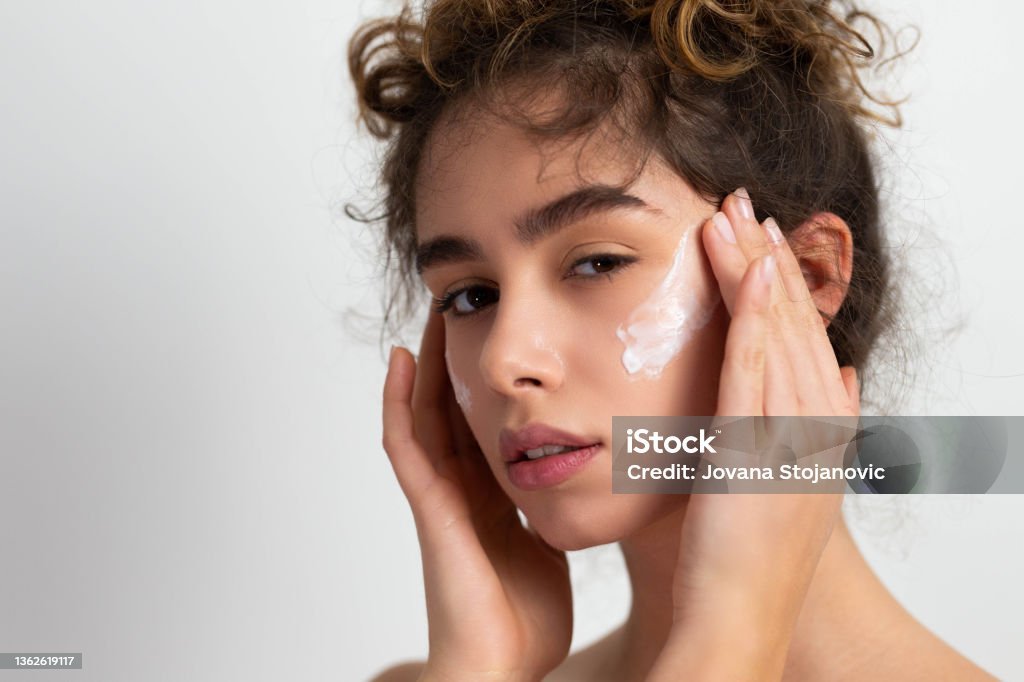
Identifying your skin type is a crucial step in developing an effective skincare routine, particularly when it comes to layering products. There are four primary skin types: oily, dry, combination, and sensitive, each with unique characteristics that dictate how they respond to various skincare ingredients. Understanding these differences is essential for customizing your regimen to achieve the best results.
Oily skin is often characterized by excess sebum production, leading to a shiny appearance and a tendency to develop acne. Individuals with oily skin may benefit from lightweight, oil-free products that contain ingredients such as salicylic acid or niacinamide. These components can help unclog pores and regulate oil production without exacerbating the skin’s condition.
On the other hand, dry skin is marked by a lack of moisture and can feel tight or rough. Those with dry skin should seek products that provide hydration and nourishment. Ingredients such as hyaluronic acid, glycerin, and ceramides are ideal for this skin type, as they can help to restore moisture levels and strengthen the skin barrier.
Combination skin exhibits traits of both oily and dry skin regions, usually experiencing an oily T-zone while maintaining dryness in other areas. For this skin type, a balanced approach is key. Using different products tailored to the specific needs of each area can optimize results, ensuring that the skin remains hydrated without overloading the oilier portions with heavy formulations.
Lastly, sensitive skin is often prone to irritation and reacts negatively to a variety of ingredients. For individuals with this skin type, it is paramount to choose gentle, hypoallergenic products containing soothing ingredients such as aloe vera or chamomile. This consideration helps to minimize adverse reactions while ensuring the skin remains nourished and protected.
Ultimately, understanding your skin type enables you to layer skincare products correctly, ensuring that each product complements your skin’s needs. By customizing your routine based on this understanding, you increase the likelihood of achieving healthier, more radiant skin.
The Science of Skincare Product Absorption
Understanding how the skin absorbs skincare products is crucial for optimizing their effectiveness. The skin, being the largest organ of the body, consists of multiple layers, with the outermost layer known as the stratum corneum acting as a barrier. This barrier’s primary function is to block external irritants while retaining moisture. However, it also poses a challenge for the absorption of various skincare formulations.
One of the key factors influencing absorption is the molecular size of the active ingredients contained within the products. Smaller molecules can penetrate more deeply into the skin, accessing lower layers for better efficacy. For instance, hyaluronic acid with a lower molecular weight is often more readily absorbed than its larger counterparts, leading to enhanced hydration benefits. On the other hand, larger molecules may only affect the outer layers, providing surface hydration but less profound results.
Another important aspect involves the formulation of the products. Ingredients that are combined with penetration enhancers or are included in lipid-based formulations often exhibit improved absorption rates. Utilizing such combinations allows the active ingredients to bypass the skin barrier more effectively. Additionally, the pH level of the skincare product can also play a role, as it influences the ionization of the molecules, thus affecting absorption.
Layering skin products in the correct order is critical for maximizing absorption. Typically, skincare routines should start with water-based serums, as they are lighter and penetrate better. Following this, heavier products, such as oils and creams, should be applied to seal in moisture and nutrients. This systematic approach not only enhances the absorption of each product but also ensures that the skin receives maximum benefits from the active ingredients. By understanding these principles, individuals can create an effective skincare regimen tailored to their specific needs.
The Correct Order of Application: A Step-by-Step Guide
Understanding the correct order of skincare product application is vital for achieving optimal results in your skincare routine. By layering products from the lightest to the heaviest, you allow each component to penetrate the skin effectively. The following step-by-step guide details the recommended order for applying skincare products.
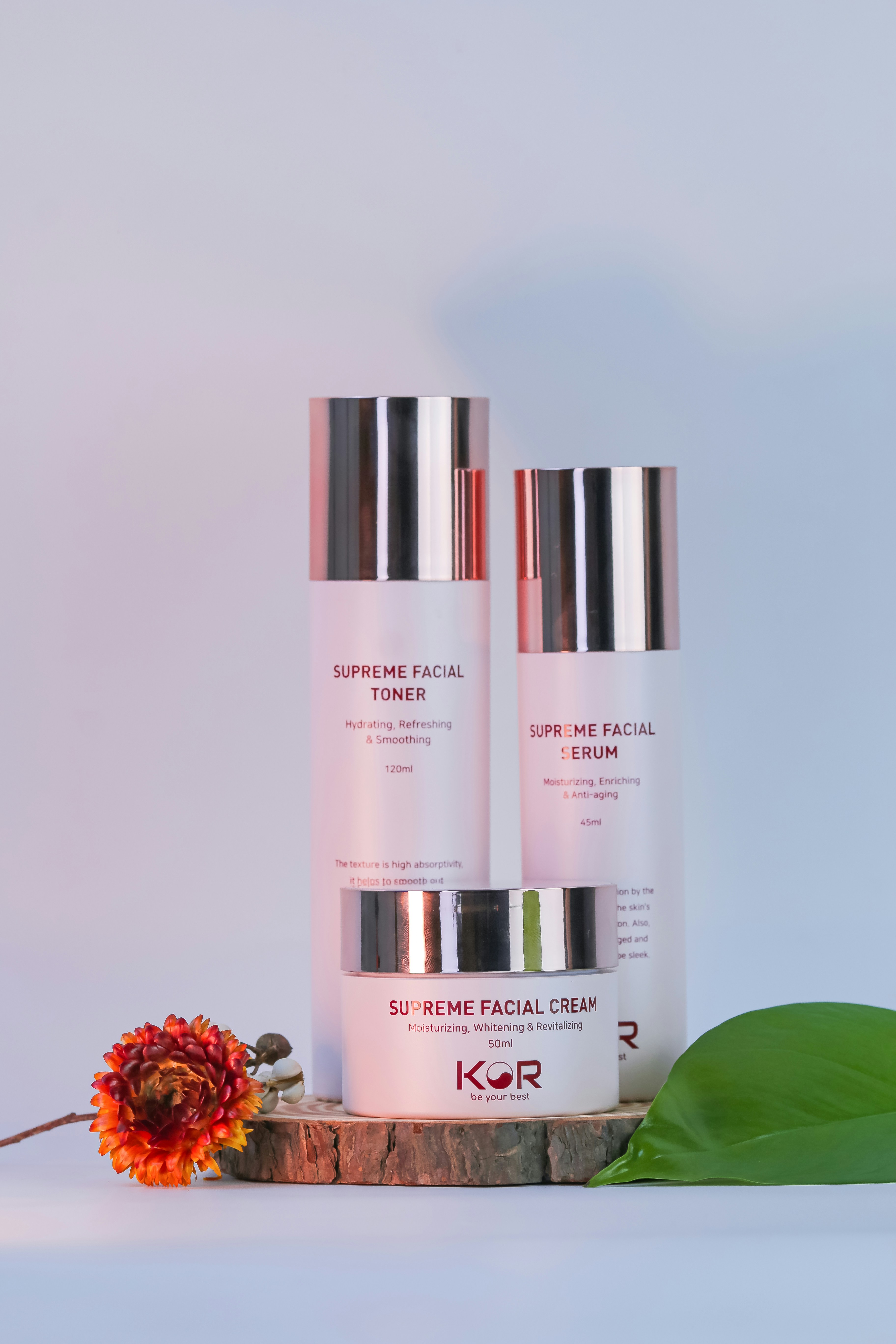
The first step is cleansing. A gentle cleanser eliminates dirt, excess oil, and makeup, creating a clean canvas for subsequent products. Following cleansing, toner should be applied. Toners help to balance the skin’s pH and prepare it for better absorption of subsequent treatments. They can also provide additional hydration or address specific skin concerns.
Next in line is the application of serums. These concentrated formulas are designed to target specific skin issues, such as aging, pigmentation, or acne. Application should be done while the skin is still slightly damp from the toner, enhancing absorption. After the serum, the next product to apply is the moisturizer. Moisturizers help to hydrate the skin and lock in the benefits of the previous products, forming a barrier that prevents moisture loss.
Finally, the last step in your skincare regimen is sunscreen. It is essential to protect your skin from harmful UV rays and prevent premature signs of aging. Applying sunscreen as the final layer ensures that it acts as a protective shield over the layers below. It is crucial to apply it generously for adequate protection, and if you are using makeup, consider a setting spray or powder with SPF for additional coverage.
Adhering to this order—cleansing, toning, applying serums, moisturizing, and finally, sunscreen—enables your skin to fully absorb the benefits of each product. Understanding this systematic approach to application can significantly improve your skincare routine, ensuring your skin remains healthy, hydrated, and protected.
Key Ingredients and Their Functions
Understanding the key ingredients in skincare products is crucial for achieving optimal results. Different ingredients serve specific purposes, addressing various skin concerns. Among the most popular are hyaluronic acid, retinol, vitamin C, niacinamide, and salicylic acid, each playing a vital role in maintaining skin health.
Hyaluronic acid is renowned for its incredible hydrating properties. This naturally occurring substance can hold up to 1,000 times its weight in water, making it an excellent moisturizer. It helps maintain skin plumpness and elasticity while reducing the appearance of fine lines and wrinkles. Integrating hyaluronic acid into your skincare routine can drastically improve the skin’s moisture levels, especially when layered with other hydrating agents.
Retinol, a derivative of vitamin A, is a powerhouse ingredient known for its ability to promote cell turnover and enhance skin texture. This potent ingredient can diminish signs of aging, such as wrinkles and sagging skin, while also addressing hyperpigmentation concerns. However, retinol can be irritating to some skin types, thus it is advisable to introduce it gradually into your regimen and layer it appropriately.
Vitamin C is another essential ingredient, acclaimed for its antioxidant properties. It helps brighten the complexion, reduce dark spots, and protect the skin from environmental damage. When layering vitamin C, it is generally effective to apply it before moisturizers or oils to maximize absorption.
Niacinamide, or vitamin B3, is suited for a range of skin types as it helps to strengthen the skin barrier, improves uneven skin tone, and reduces redness. It works harmoniously with other ingredients, making it a versatile addition to any skincare routine. Finally, salicylic acid caters specifically to those battling acne, effectively penetrating pores to clear breakouts and prevent future blemishes.
When selecting skincare products, understanding these key ingredients and their functions will empower you to create a tailored regimen that effectively addresses your unique skin concerns.
Common Mistakes in Layering Skincare Products
Layering skincare products effectively is essential for maximizing their benefits; however, many individuals encounter frequent pitfalls that can hinder their skincare routine. One prevalent mistake is the application of incompatible ingredients. For example, combining exfoliating acids, like AHAs or BHAs, with retinol can lead to irritation and compromise the integrity of both products. It is crucial to understand how different ingredients interact, as certain combinations may neutralize or exacerbate effects, rendering them less effective or potentially harmful.
Another common error is applying products in the incorrect order. A successful skincare regimen typically requires following a specific sequence, beginning with the thinnest formulations, such as serums, and gradually moving towards thicker creams. For instance, using a heavy moisturizer before applying a serum can create a barrier, preventing the serum from penetrating the skin effectively. To avoid this mistake, always remember that layering should start with lightweight products to allow for optimal absorption of more concentrated treatments.
Additionally, some users implement too many products at once, overwhelmed by the abundance of choices in the market. While the desire for a comprehensive routine is understandable, using multiple products can lead to congestion, irritation, and an inability to determine which product is delivering results or adverse effects. A minimalist approach, starting with a few well-suited products, can be beneficial in assessing how each product interacts with the skin before gradually incorporating additional items.
In order to enhance the effectiveness of the skincare routine, it is important to first identify these common mistakes and understand how to avoid them. By educating oneself on the compatibility of ingredients and adhering to the correct application order, individuals can pave the way for a successful and beneficial layering of skincare products.
Skincare Tips for Different Skin Concerns
When addressing specific skin concerns, the way products are layered can significantly affect their efficacy. Each skin type or concern, whether it’s acne, aging signs, hyperpigmentation, or dryness, requires a tailored approach to achieve optimal results. Understanding your skin’s unique needs is essential in developing an effective skincare routine.
For acne-prone skin, start with a gentle cleanser that contains salicylic acid or benzoyl peroxide to reduce breakouts. Following cleansing, apply a lightweight, oil-free moisturizer that hydrates without clogging pores. Incorporating non-comedogenic treatments, such as retinoids or chemical exfoliants with glycolic acid, can enhance skin turnover and help prevent future breakouts. Ideally, layer these products in the order of thinnest to thickest, finishing with a mild sunscreen during the day.
When targeting the visible signs of aging, it is beneficial to prioritize hydration and firmness. Begin with a hydrating toner, followed by a serum loaded with antioxidants like vitamin C, which can brighten and protect the skin. A richer moisturizer, containing peptides or hyaluronic acid, should then be applied to lock in moisture. Finally, a broad-spectrum sunscreen is crucial daily to safeguard against further skin aging caused by UV exposure.
Hyperpigmentation is often best addressed through a combination of exfoliation and targeted treatments. After cleansing, incorporate serums that contain ingredients like niacinamide or licorice extract, known for their skin-brightening properties. Layer these beneath a skin-replenishing moisturizer, and always remember to finish with a sunscreen to prevent UV-induced pigmentation.
Finally, for dry skin, a rich cream or oil should be a staple. Start with a hydrating serum that contains hyaluronic acid or ceramides, followed by a thick moisturizer. The key is to seal in moisture effectively—using occlusives, particularly overnight, can significantly benefit dry, compromised skin.
By customizing your layering technique according to specific skin concerns, you can enhance the effectiveness of your skincare regimen and achieve a more radiant complexion.
Seasonal Changes and Layering Adjustments
Seasonal changes greatly influence the needs of your skin, necessitating adjustments in your skincare routine and the way you layer your products. Understanding how different weather conditions affect your skin shall aid in maintaining its health throughout the year. For instance, during the colder months, reduced humidity can lead to dry and dehydrated skin. To combat this, one may consider incorporating thicker moisturizers or oils into their regimen, applied after a hydrating serum, to lock in moisture effectively.
Conversely, in summer, increased temperatures and humidity can result in excess oil production and a propensity for breakouts. During these months, lighter formulations such as gel-based moisturizers are preferable, as they hydrate without overwhelming the skin. A good layering technique here would be to start with a lightweight serum followed by a mattifying oil-free moisturizer to help control shine while maintaining hydration.
Transition periods, such as spring and autumn, might require a more tailored approach as humidity levels fluctuate. In spring, as the air becomes milder, one may need to revise their routine to reintroduce lighter products that provide hydration without heaviness. During autumn, it is advisable to increase the use of hydrating ingredients, such as hyaluronic acid, to prepare your skin for the impending colder months.
Ultimately, being mindful of your skin’s specific needs as seasons change allows you to adjust your product layering effectively. Recognizing signs of discomfort, such as increased dryness or oiliness, is crucial for adapting your routine swiftly. This proactive approach will ensure that your skin remains in optimal condition, regardless of external conditions.
DIY Layering: Crafting Your Custom Skincare Routine
Personalizing a skincare regimen has become increasingly popular, allowing individuals to cater to their unique skin needs using products from different brands or by creating custom DIY skincare solutions. When venturing into the art of DIY layering, it is crucial to understand how to safely combine various products to ensure both compatibility and effectiveness. This approach provides flexibility, enabling users to harness the strengths of multiple formulations for optimal skin results.
To begin crafting a personalized skincare routine, start by identifying your skin type—whether oily, dry, combination, or sensitive. Selecting products that address your specific concerns is essential. For example, if dehydration is an issue, incorporating hydrating ingredients like hyaluronic acid or aloe vera gel will be beneficial. Furthermore, consider the active ingredients within the products being used. Certain ingredients, such as retinol or vitamin C, can enhance skin texture and brightness but may require careful layering to avoid irritation.
It is advisable to layer products from the thinnest to thickest consistency for best results. Begin with lightweight serums or essences, followed by creams, and finally, thicker oils or balms. This sequence promotes optimal absorption and prevents product pilling. When mixing products, perform a patch test to check for adverse reactions, particularly when introducing new formulations. Compatibility is key; for instance, combining acids with retinol may heighten sensitivity and irritation, necessitating a strategic approach.
Customizing your regimen can also include DIY options such as face masks or exfoliants made from natural ingredients, like honey or oatmeal. These can complement store-bought products effectively. Ultimately, by understanding ingredient interactions and carefully selecting your layering strategy, you can create a skincare routine that is uniquely yours, tailored to meet your skin’s specific needs. This thoughtful approach fosters not only better skin health but also a rewarding self-care experience.
The Importance of Consistency in Your Skincare Routine
Establishing a consistent skincare routine is fundamental to achieving and maintaining healthy skin. Consistency ensures that the skin receives regular nourishment and hydration, which is vital for long-term skin health. Whether using cleansers, moisturizers, or specialized treatments, applying these products periodically allows the skin to adapt and respond positively. Each product works synergistically toward optimal skin condition, but this synergy is contingent upon maintaining a regular schedule.
It is essential to allow each product adequate time to take effect before making any adjustments to your skincare regimen. Skin cells typically undergo a renewal cycle that can last between 28 to 30 days. Therefore, premature changes to your routine, based on fleeting results, can be counterproductive. Regular application of products, particularly treatments aimed at specific concerns such as acne or hyperpigmentation, provides the necessary environment for the products to exert their beneficial effects. Being patient and persistent is paramount.
Furthermore, it is important to listen to your skin and adjust the routine accordingly. Factors such as weather changes, hormonal fluctuations, or lifestyle adjustments can prompt changes in skin behavior. For instance, you may notice increased dryness during winter months, indicating a need for a heavier moisturizer or an addition of a hydrating serum. Conversely, summertime may necessitate the use of lighter products. Observing how your skin responds to various products will help you tailor your skincare routine effectively, ensuring that it meets the evolving needs of your skin.
In conclusion, a skincare regimen characterized by consistency and adaptability is crucial for achieving optimal skin health. By adhering to a structured routine, allowing products time to work, and modifying your approach based on skin feedback, you can foster an environment conducive to healthy, vibrant skin over the long term.