

Introduction to Contouring
Contouring is a makeup technique that has gained significant popularity in recent years, particularly through the influence of social media and celebrity culture. At its core, contouring involves using makeup products such as creams, powders, or sticks to enhance or reshape facial features. The primary purpose of contouring is to create shadows and highlights on the face, thereby altering its dimension and creating the illusion of a more sculpted appearance. This technique can define cheekbones, slim the nose, and even elongate the jawline, making it a valuable skill for anyone looking to elevate their makeup application.
The origins of contouring can be traced back to theatrical makeup, where performers utilized shadows and highlights to emphasize their features under stage lights. The trend was later embraced by Hollywood makeup artists in the mid-20th century, who used similar techniques to accentuate the faces of actresses like Marilyn Monroe and Elizabeth Taylor. However, it wasn’t until the rise of reality television and the advent of social media platforms, such as Instagram, that contouring truly took off, with influencers and celebrities sharing their artistic techniques widely. Iconic figures, such as Kim Kardashian, played a pivotal role in popularizing this method, leading many individuals to explore contouring as part of their daily makeup regime.
As you embark on your journey to mastering contouring, it is essential to understand that it requires practice, precision, and an awareness of your unique facial structure. With the right tools and techniques, contouring can enhance not only your features but also your confidence. Throughout this guide, you will learn how to select the appropriate products, the various application techniques, and tips for achieving a flawless contour that complements your distinct beauty.
Understanding Face Shapes
In the world of makeup, especially contouring, understanding the different face shapes is essential to achieve a flattering and natural look. There are several primary face shapes, including oval, round, square, and heart. Each shape has unique characteristics that dictate the best contouring methods to enhance one’s natural features.
The oval face shape is often considered the ideal due to its balanced proportions. Individuals with this face shape can contour lightly to maintain their natural symmetry, emphasizing features such as cheekbones and jawline while applying less focus on correcting any asymmetry.
In contrast, round faces tend to have softer features with a wider cheek area. For this shape, contouring typically involves applying darker shades along the sides of the forehead and under the cheeks to create the illusion of elongation. This technique can help define the face while minimizing fullness.
The square face shape is characterized by a strong jawline and a broad forehead. When contouring a square face, individuals can use techniques that soften the jawline and add dimension to the forehead, often using lighter colors on the temples and darker shades on the jawline.
Heart-shaped faces have wider foreheads and narrower jaws. For contouring this shape, it is effective to emphasize the chin and use contour to visually narrow the forehead. Highlighting the cheekbones can also draw attention to the upper part of the face, providing balance.
To accurately determine one’s face shape, one can pull back the hair and look in a mirror, observing where the forehead, cheekbones, and jawline fit within common categories. Understanding these nuances allows individuals to tailor their contouring techniques effectively, ensuring that their application complements their unique facial structure.
Essential Tools and Products for Contouring
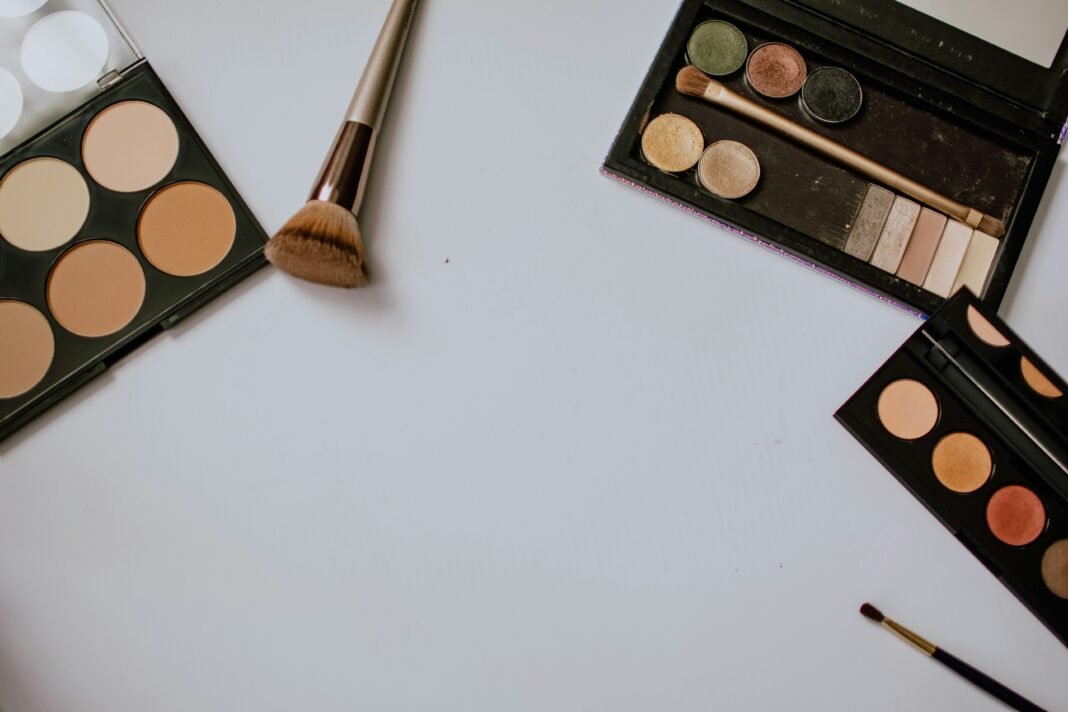
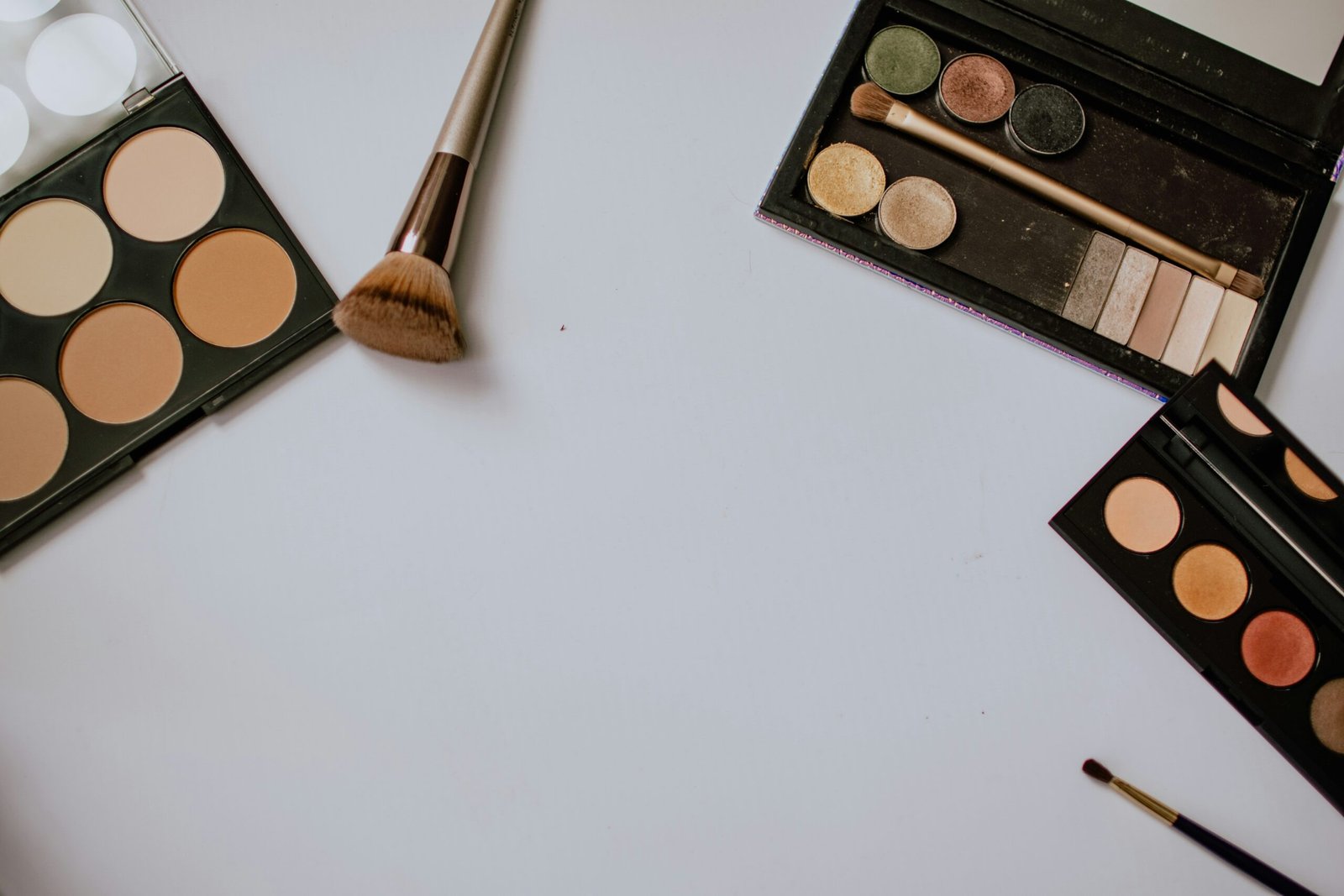
Contouring has become an essential part of makeup routines, enhancing facial features and providing structure through the artful play of light and shadow. To achieve flawless contouring, it is imperative to equip oneself with the right tools and products. First and foremost, contour sticks and powders serve as the foundational products for this technique. Contour sticks are favored for their creamy consistency, offering seamless application and blendability. On the other hand, powders provide a matte finish that works beautifully for those with oily skin or those looking for a more buildable contour.
When selecting contour products, choosing the correct shades is crucial. For a natural appearance, opt for shades that mimic the natural shadows of the face. Generally, this means selecting contour shades that are a few shades darker than your skin tone, while highlight shades should be one to two shades lighter. Popular brands such as Fenty Beauty, Anastasia Beverly Hills, and NYX offer a range of options that cater to various skin tones and undertones, ensuring that everyone can find the right match for their complexion.
In addition to products, the right tools are essential for achieving a professional finish. Contouring brushes, with their angled bristles, are designed specifically for precise application of contour and highlight products. Buffing brushes and foundation brushes work well to blend these products seamlessly into the skin. Furthermore, beauty blenders, known for their sponge-like texture, are excellent for achieving a flawless, airbrushed finish when applying liquid or cream contours.
Ultimately, using a combination of quality products and appropriate tools will not only enhance the contouring experience but also secure a polished and natural look. By investing in these essential tools and choosing the right shades, anyone can master the art of contouring effectively.
Preparation: Skincare and Base
Before embarking on the art of contouring, it is crucial to establish a solid foundation through meticulous skincare routines. Healthy skin not only enhances the final appearance but also facilitates seamless blending of makeup products. A well-prepared canvas minimizes imperfections, promoting an overall polished look. Begin this process with a cleanser suited to your skin type, ensuring that all impurities and excess oils are removed. Follow up with a toner to balance the skin’s pH levels and prepare it for subsequent products.
Moisturization is an integral step in the skincare regimen, as it helps to hydrate and nourish the skin. Products containing hyaluronic acid or glycerin can be particularly effective, providing a dewy finish that complements the desired contouring outcome. After allowing the moisturizer to absorb, the application of a primer becomes essential. A quality primer not only creates a smooth texture for foundation application but also enhances makeup longevity. Silicone-based primers can blur fine lines and imperfections, while hydrating primers work best for dry skin types.
When selecting a foundation, it is important to consider the formula that aligns with your skin type and desired finish. Liquid foundations provide versatility and buildable coverage, essential for effective contouring. For those with oily skin, a matte foundation can help control shine throughout the day. The shade chosen should match your skin tone closely, as this base will serve as the canvas for the contouring process. Proper application techniques, such as using a damp beauty sponge or a foundation brush, can significantly influence how well the foundation adheres to the skin. By ensuring an excellent skincare routine and using suitable products, one sets the stage for flawless contouring and a radiant complexion that lasts.
Step-by-Step Contouring Process
Achieving a flawless contour demands careful planning and execution. The first step in the contouring process involves assessing your face shape, as this guides you in selecting the correct areas to highlight and contour. Utilize a soft pencil or makeup brush to outline the areas that require contouring, such as the sides of the nose, the jawline, and the hollows of the cheeks. For highlighting, draw lines on the forehead, the bridge of the nose, the tops of the cheeks, and the chin to bring those features forward.
The next stage entails selecting the appropriate contouring products. Creams, powders, or sticks can be used depending on the finish you desire. Cream products create a more natural, dewy look, whereas powders offer a matte finish. When choosing shades, opt for a contour that is two shades darker than your skin tone, and for highlighting, select a shade two shades lighter. This contrast is key in achieving the dimensional look sought in flawless contouring.
After marking your face and selecting products, it’s time to apply the contour and highlighter. Use a makeup brush or sponge to apply contour to the designated areas with light strokes. The blending technique is crucial; a stippling motion helps blend the contours effectively into the foundation, creating a seamless appearance. For highlights, use the same approach, applying with a damp sponge or a fan brush for an ethereal glow.
Layering is important as well. Apply the products gradually, building up color as needed. It is easier to add more product than to remove excess. Continue blending until you achieve a well-blended, natural-looking finish. Mirror evaluation during the process is critical to ensure balance and symmetry. Following these steps, you can achieve a structured yet natural contour that enhances your features beautifully.
Blending Techniques for a Flawless Finish
Achieving a seamless contour is vital for an aesthetically pleasing makeup look. The application techniques used during the blending process can significantly influence the overall outcome. Among the most common methods are stippling, buffing, and the use of sponges or brushes. Each technique serves a distinct purpose and can be tailored to suit individual preferences.
Stippling involves light, quick tapping motions with a makeup sponge or a stippling brush. This technique helps to diffuse the product into the skin without disturbing the underlying foundation. It is particularly effective for those who prefer a soft, natural finish that avoids the appearance of harsh lines. To apply this technique, lightly dip your sponge or brush into the contour product, and gently dab it onto the desired areas of the face. This method allows for better control of product placement and helps achieve a beautifully blended look.
Buffing, on the other hand, is characterized by circular motions with a dense brush. This method allows for fuller coverage and a more polished finish. It is ideal for those who desire a sculpted appearance. To utilize this technique, start at the edges of your contour and work your way inward, using small circular motions to blend until the contour appears seamless. This technique not only ensures depth but also adds luminosity to the face.
Lastly, using sponges or brushes is a vital component of blending. Choosing the right tool can dramatically impact the contour’s texture and visibility. Sponges provide a more natural look due to their ability to soak up excess product, while brushes can provide more coverage and intensity. Whichever tool you choose, ensure that you use it gently to avoid pulling at the skin, which may lead to uneven blending or harsh lines. With the right blending techniques, your contour can appear effortlessly flawless, enhancing your natural beauty.
Common Contouring Mistakes to Avoid
Contouring can elevate your makeup game, but it is crucial to avoid common pitfalls to achieve a polished look. One prevalent mistake is selecting the wrong shade. Contour products should be a few shades darker than your natural skin tone to create depth without appearing harsh. Choosing a shade that is too dark or cool-toned can lead to an unnatural appearance. To correct this, opt for a contour that complements your skin’s undertone, making sure it is subtle enough to enhance rather than overpower your features.
Another frequent error is applying too much product. It’s easy to get carried away when contouring, leading to a “mask-like” effect. The key is to start with a small amount of product and build it up gradually. This approach not only prevents over-application but also allows for better control, making it easier to blend. Utilizing a stippling brush or a makeup sponge can further aid in applying the product evenly, ensuring a seamless finish.
Neglecting to blend properly is perhaps the most critical mistake made during contouring. Harsh lines can create an unflattering contrast on the face, ruining the overall effect. To avoid this, spend adequate time blending the contour with your foundation or concealer. Use circular motions and a clean brush or sponge to diffuse any edges. Additionally, consider the lighting when blending; natural light can help you see any uneven areas or harsh lines that need adjustment.
By being mindful of these common contouring mistakes, you can enhance your makeup skills and achieve a more flawless finish. Learning to select the right shade, controlling the amount of product used, and ensuring effective blending will contribute significantly to your contouring success.
Finishing Touches: Highlighting and Setting
After achieving the desired contour, it is important to focus on the final details to ensure a polished and lasting makeup look. Highlighting, an essential step in the contouring process, draws attention to specific areas of the face, creating the illusion of dimension and radiance. Choosing the right highlighter can significantly enhance your contour. Opt for a shade that complements your skin tone; this may range from champagne tones for fair skin to golden or bronze hues for deeper complexions. Apply the highlighter to the high points of your face—such as the cheekbones, bridge of the nose, brow bones, and the cupid’s bow. Use a fan brush for precision or a damp beauty sponge for a seamless finish.
Another vital aspect of completing your contouring look is setting your makeup. Setting powders can help lock your makeup in place and prevent unwanted shine. Translucent powders are often preferred as they work on all skin tones and do not alter the shade of your foundation or contour. Lightly dust the powder over areas that are prone to creasing or oiliness, particularly around the T-zone. For those who prefer a dewy finish, setting sprays can be an excellent alternative. A fine mist of setting spray not only helps to set the makeup but also adds a touch of hydration to the skin, ensuring your contours maintain their defined appearance throughout the day.
Ensuring the longevity of your makeup look is crucial. Therefore, consider using a combination of both setting powder and setting spray for a flawless, enduring finish. It is advisable to carry a compact powder for touch-ups during the day, especially if you anticipate warm weather or extended wear. With these finishing touches of highlighting and setting, your contour will effectively enhance your features while maintaining its integrity over time.
Contouring for Different Occasions
Contouring is a versatile makeup technique that varies significantly depending on the occasion. Understanding the nuances involved in adjusting contouring techniques can help one achieve the desired look, whether for daily wear or special events. For everyday makeup, the approach to contouring should lean towards a more natural appearance. Using a lightweight, cream-based contour product apply a subtle definition to the cheekbones and jawline. This soft approach ensures that the makeup enhances one’s features while maintaining a fresh and effortless look. Blending is crucial here, as it allows for seamless integration of the contour with the foundation, resulting in an understated elegance suitable for casual settings.
Conversely, when preparing for a more glamorous event, the contouring technique calls for heightened intensity and precision. For evening makeup or special occasions, one might opt for powder or cream contour products that offer greater pigmentation. This allows for sharper cheekbones and a more sculpted jawline, which are more impactful under bright lighting conditions commonly found at events. It is also advisable to add an illuminated touch to the high points of the face; this creates a balanced look that stands out in photographs while maintaining an air of sophistication. Additionally, the choice of contour products can be influenced by the specific event, where a more dramatic look could be employed for parties and galas.
Ultimately, the key to successful contouring lies in tailoring techniques and product selections to fit the occasion. By understanding these variations, one can confidently transition from a subtle daytime visage to a bold, refined presence suitable for any upscale function. Such adaptability in contouring not only enhances one’s overall appearance but also reflects a thoughtful approach to makeup application, ensuring you look your best regardless of the setting.