

Introduction to Natural Skincare
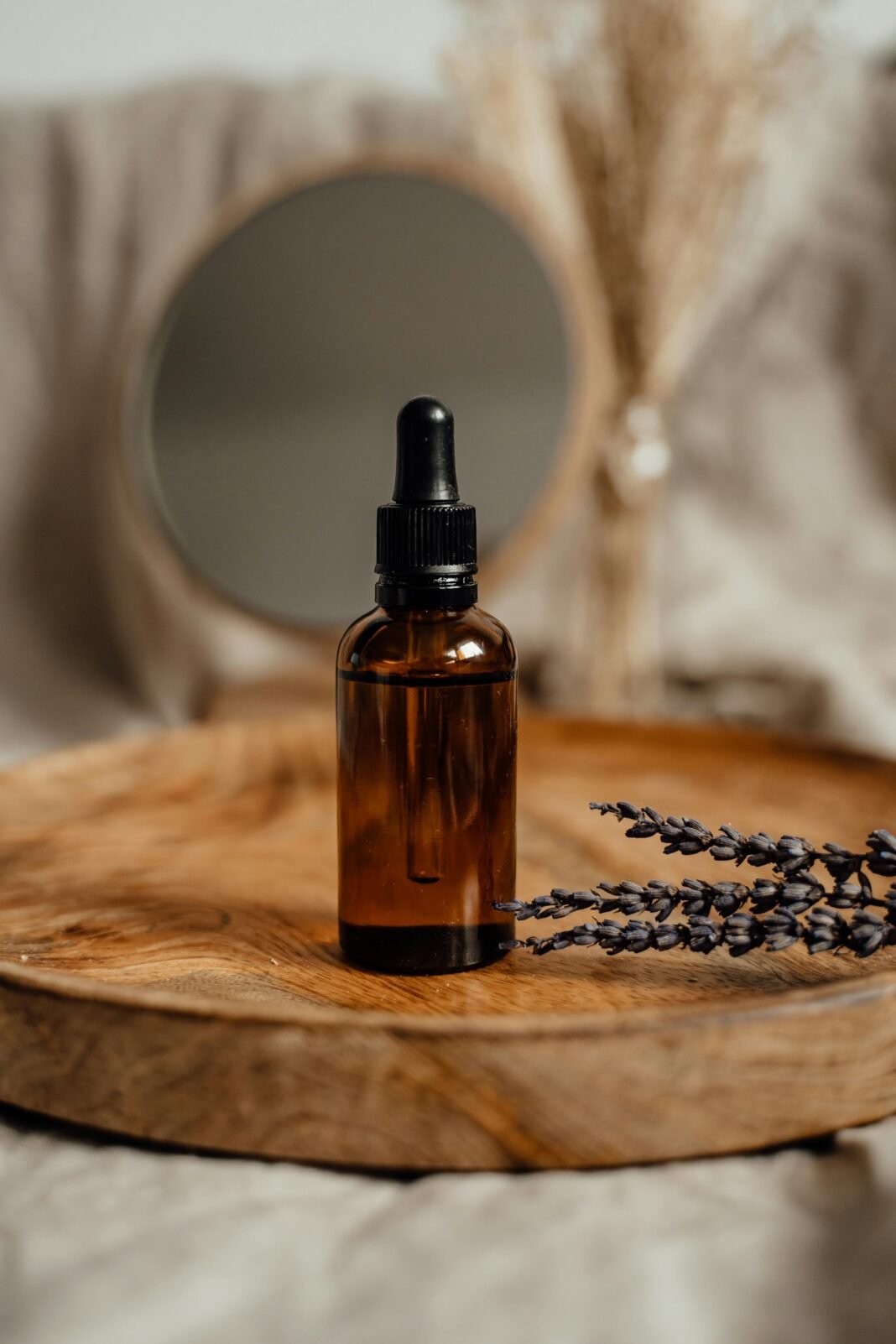
In recent years, there has been a significant shift towards natural skincare, marking a departure from conventional beauty products laden with synthetic chemicals. This trend reflects a broader awareness about the detrimental effects of certain ingredients on both the skin and the environment. Consumers today are increasingly seeking products that are formulated with natural ingredients, as they are perceived to be safer and more effective in promoting skin health.
The importance of using natural ingredients cannot be overstated. Natural skincare products typically contain minimal harmful chemicals, which can irritate the skin or lead to adverse reactions. By choosing formulations rich in botanical extracts, essential oils, and other organic materials, individuals can enjoy a gentler approach to skincare that nourishes rather than disrupts the skin’s delicate balance. Additionally, many natural ingredients possess therapeutic properties that can enhance skin vitality, offering benefits such as improved hydration, reduced inflammation, and enhanced healing.
Furthermore, embracing natural skincare aligns with an increasing environmental consciousness among consumers. Many individuals are opting for products that are sustainably sourced and free from harmful pollutants, contributing to a healthier planet. This mindful approach encourages brands to adopt eco-friendly practices, such as using recyclable packaging and implementing sustainable farming techniques for ingredient sourcing. By supporting natural skincare, consumers not only invest in their own skin health but also in the well-being of the environment.
As the beauty industry continues to evolve, the trend toward natural ingredients is likely to gain momentum. With ongoing research supporting the efficacy of these components and heightened consumer demand for transparency in product formulation, natural skincare is positioned to remain at the forefront of the industry’s evolution. This shift toward using natural ingredients signifies a promising future for both personal care and environmental well-being, presenting an exciting avenue for those seeking beautiful skin through holistic means.
Aloe Vera: The Skin Miracle
Aloe vera, often referred to as a skin miracle, has garnered considerable attention in the realm of skincare due to its multitude of benefits. Renowned for its soothing properties, aloe vera gel is commonly applied to the skin to alleviate irritation and redness. This natural ingredient contains a variety of vitamins and minerals essential for skin health, making it an ideal remedy for conditions such as sunburn and minor skin injuries. Notably, its anti-inflammatory effects help reduce inflammation, promoting a calm and balanced complexion.
One of the most significant advantages of aloe vera is its remarkable ability to hydrate the skin. Thanks to its high water content, this succulent provides a dose of moisture without leaving a greasy residue. This makes it an excellent choice for all skin types, including oily and combination skin, as it hydrates while allowing the skin to breathe. Additionally, the polysaccharides present in aloe vera enhance skin elasticity, making it a favored ingredient in anti-aging products. By supporting the production of collagen, aloe vera helps to reduce the appearance of fine lines and wrinkles over time.
Incorporating aloe vera into your daily skincare routine is simple and effective. For maximum benefits, one can use pure aloe vera gel directly extracted from the plant. This can be applied as a soothing face mask, a moisturizer after cleansing, or even as a spot treatment for acne-prone areas. Commercial products, such as lotions and creams infused with aloe, are also widely available and can be beneficial for effortless integration. Regular use of aloe vera not only helps maintain healthy skin but also addresses specific skin concerns, making it a versatile and indispensable element in achieving beautiful skin.
Coconut Oil: The Hydrating Wonder
Coconut oil has emerged as a versatile and highly effective natural ingredient celebrated for its exceptional moisturizing properties, making it a staple in many skincare routines. This oil, derived from the flesh of mature coconuts, is rich in fatty acids, especially lauric acid, which is known for its ability to penetrate the skin deeply. This penetration allows coconut oil to provide lasting hydration, preventing dryness and flakiness.
One of the standout features of coconut oil is its effectiveness as a makeup remover. Unlike many commercial products that can strip the skin of its natural oils, coconut oil gently dissolves makeup, including stubborn waterproof formulas. Its natural composition eliminates the need for harsh chemicals, ensuring that the skin remains nourished while effectively removing impurities. For those seeking a more natural approach to skincare, utilizing coconut oil as a makeup remover can significantly enhance the overall health of the skin.
Coconut oil’s hydrating properties also make it an ideal ingredient to incorporate into various DIY skincare recipes. For instance, blending coconut oil with sugar creates a natural exfoliating scrub, effectively sloughing off dead skin cells while simultaneously moisturizing the underlying tissue. Additionally, coconut oil can be mixed with essential oils to formulate personalized moisturizers, body butters, or even lip balms that cater to individual skin needs. This adaptability not only showcases its effectiveness but also promotes a sustainable approach to skincare by enabling individuals to create products tailored to their preferences.
Embracing coconut oil in one’s skincare regimen can lead to noticeable improvements in skin texture and hydration levels. Its multifunctional benefits and natural composition make it an essential ingredient for anyone pursuing a beautiful, radiant complexion.
Honey: Nature’s Antiseptic
Honey has been revered for centuries, not only for its delightful taste but also for its remarkable skin benefits. This natural ingredient is celebrated for its potent antibacterial properties, making it an ideal ally in the fight against acne. The presence of hydrogen peroxide in honey helps combat the growth of bacteria on the skin, which is a key contributor to breakouts. Applying honey directly to affected areas can help reduce inflammation, soothe irritation, and promote healing, ultimately leading to clearer skin.
In addition to its antibacterial effects, honey functions as a natural anti-inflammatory agent. This quality is particularly beneficial for individuals with sensitive skin types, as it can alleviate redness and swelling. The soothing effect of honey can be attributed to its ability to nourish the skin while simultaneously protecting it from environmental aggressors. Incorporating honey into one’s skincare regimen can significantly improve the overall texture and appearance of the skin, providing a healthy glow.
Another remarkable feature of honey is its capacity to provide hydration. When applied topically, honey acts as a humectant, drawing moisture from the environment and sealing it in the skin. This makes honey an excellent moisturizer, particularly for those with dry or dehydrated skin. Additionally, its natural sugars support the skin’s barrier function, ensuring that moisture is retained effectively. For those seeking a gentle exfoliant, honey can also be mixed with ground oats or sugar to create a mild scrub, removing dead skin cells and revealing a refreshed complexion.
To incorporate honey into your skincare routine, consider using a simple honey mask once a week. Combine raw honey with other natural ingredients, such as yogurt or lemon juice, for an enhanced treatment. The versatility of honey makes it an indispensable component in achieving and maintaining beautiful, healthy skin.
Tea Tree Oil: The Acne Fighter
Tea tree oil, derived from the leaves of the Melaleuca alternifolia plant, is renowned for its potent antimicrobial and anti-inflammatory properties, making it a formidable ally in the fight against acne. The efficacy of tea tree oil lies in its ability to combat acne-causing bacteria, specifically Propionibacterium acnes, which contributes to the formation of blemishes. When applied topically, it penetrates the skin and helps to unclog pores, reducing the likelihood of acne breakouts.
Incorporating tea tree oil into a skincare regime can be highly beneficial. One effective method is using diluted tea tree oil as a spot treatment. It is important to dilute tea tree oil with a carrier oil, such as jojoba or coconut oil, to prevent skin irritation. A typical dilution ratio is one part tea tree oil to nine parts carrier oil. This mixture can be applied directly onto blemishes with a cotton swab, allowing for targeted treatment without affecting surrounding skin.
Tea tree oil is available in various forms, including pure essential oil, topical creams, and cleansers. Individuals may choose a formulation that best fits their skincare routine. Since it is a powerful ingredient, it is advisable to start with a patch test on a small area of skin to assess any sensitivity or allergic reactions. In addition, those with sensitive skin should use tea tree oil sparingly and consult with a dermatologist or skincare professional before incorporating it into their routine.
While tea tree oil can be an excellent natural remedy for acne, it is essential to use it responsibly. Excessive application may lead to skin irritation or dryness. Therefore, moderation and mindful integration are key for achieving optimized results. By understanding how to use tea tree oil effectively and safely, individuals can harness its natural benefits to promote clearer, healthier skin.
Green Tea: The Antioxidant Powerhouse
Green tea, derived from the leaves of the Camellia sinensis plant, has emerged as a celebrated ingredient in skincare due to its remarkable antioxidant properties. Rich in epigallocatechin gallate (EGCG), green tea provides potent protection against free radical damage, which can accelerate aging and deteriorate skin quality. The presence of these antioxidants captures attention because they effectively combat oxidative stress, which is a major contributor to skin issues such as fine lines, wrinkles, and uneven skin tone.
The anti-aging benefits of green tea extend beyond mere prevention. Regular application of products containing green tea extract can enhance skin elasticity, thereby diminishing the visible signs of aging. By neutralizing harmful radicals, green tea aids in maintaining collagen production, a crucial protein for skin firmness and suppleness. As a result, skin appears more youthful and resilient over time.
Moreover, green tea is known for its anti-inflammatory properties, which can help soothe irritated skin and redness, making it an excellent ingredient for those suffering from conditions like acne and rosacea. Research indicates that the richness of green tea in catechins can assist in reducing sebum production, further making it a beneficial component for oily and acne-prone skin types.
Incorporating green tea into a skincare routine can be achieved through various means. It is available in numerous forms, including creams, serums, and facial masks. Additionally, DIY options abound, such as creating homemade green tea infusions or incorporating powdered matcha into face masks. Not only does this allow for customized skincare solutions, but it also grants the user the opportunity to enjoy the freshness and potential benefits that freshly brewed green tea can provide.
Overall, the integration of green tea into skincare routines offers a multi-faceted approach to achieving beautiful skin, underscoring its value as an antioxidant powerhouse in the realm of natural ingredients.
Shea Butter: The Moisture Retainer
Shea butter is a natural ingredient known for its exceptional moisturizing properties, making it a staple in skincare regimens around the world. Derived from the nuts of the shea tree, indigenous to West Africa, this creamy substance is rich in vitamins A, E, and F. These vitamins contribute to its ability to nourish and protect the skin, providing essential fatty acids that enhance moisture retention and promote elasticity.
One of the standout benefits of shea butter is its versatility. It can be employed on various parts of the body, including the face, hands, and feet. When applied to the face, shea butter acts as an emollient, locking in moisture and creating a protective barrier against environmental stressors. For individuals struggling with skin conditions such as eczema, psoriasis, or severely dry skin, shea butter’s anti-inflammatory properties can offer relief and support healing. Additionally, it is known to help reduce the appearance of stretch marks by improving skin elasticity, making it an excellent choice for pregnant women and those experiencing weight fluctuations.
To effectively incorporate shea butter into a skincare routine, it is essential to apply it to damp skin, as this method helps to seal in moisture more effectively. For best results, users should slightly warm the butter in their hands before application to enhance absorption. For targeted treatment of dry areas, such as the elbows or knees, a thicker layer can be used. Furthermore, combining shea butter with other natural ingredients, such as oils or essential oils, can boost its hydrating effects and offer additional benefits. With consistent use, individuals may notice their skin becoming significantly softer, more supple, and overall healthier.
Jojoba Oil: The Skin Regulator
Jojoba oil, derived from the seeds of the Simmondsia chinensis plant, has gained significant popularity in the realm of skincare due to its remarkable similarity to human sebum, the natural oil produced by the skin. This unique similarity allows jojoba oil to function as an effective moisturizer, providing hydration without clogging pores. By mimicking the skin’s natural oils, jojoba oil offers a balanced approach to skincare, making it suitable for a wide range of skin types, including both oily and dry skin.
One of the key benefits of using jojoba oil lies in its ability to regulate oil production. When applied, it helps to signal the skin to produce less sebum, thus benefiting those with oily skin by reducing shine and preventing breakouts. Conversely, for individuals with dry skin, jojoba oil acts as a nourishing agent that ensures ample hydration, leading to a smoother and more supple appearance. This balancing effect mitigates the extremes found in various skin types, illustrating jojoba oil’s versatility as a skin regulator.
Proper application techniques can further enhance the beneficial effects of jojoba oil. It can be used as a standalone moisturizer or blended with other natural ingredients to create personalized skincare formulations. A few drops applied after cleansing can lock in moisture, while its lightweight texture allows for easy absorption without leaving a greasy residue. For those incorporating it into their beauty routines, it can also serve as an effective makeup remover or soothing treatment for minor irritations.
Jojoba oil’s exceptional properties contribute not only to moisture retention but also to overall skin health. Rich in vitamins and antioxidants, it helps to protect the skin from environmental stressors while supporting its healing processes. Regularly incorporating jojoba oil into a skincare regimen can lead to a more balanced, healthier complexion, making it an essential ingredient for those seeking beautiful skin.
Conclusion: Embracing Natural Skincare
In an age where skincare products are brimming with synthetic additives, the shift towards natural ingredients presents a compelling case for both beauty and health. The integration of natural components into your daily skincare regimen signifies a move towards a more holistic approach, which not only enhances the skin’s appearance but also supports overall wellness. Ingredients such as aloe vera, coconut oil, and chamomile, known for their beneficial properties, can provide nourishment and rejuvenation while being gentle on the skin.
Adopting natural skincare can lead to numerous advantages, including reduced irritation and minimization of harmful toxins. Natural ingredients, rich in vitamins, antioxidants, and essential fatty acids, help to repair damaged skin, combat signs of aging, and maintain hydration. Moreover, the use of plant-based components contributes to a sustainable lifestyle, promoting environmental responsibility as they are often less harmful to the planet than their synthetic counterparts.
Readers are encouraged to explore the vast array of natural ingredients available, discovering personalized approaches that suit their skin types and preferences. Experimenting with different combinations, such as using honey for its antibacterial properties or avocado for hydration, could unveil unique and effective routines. Incorporating these elements not only allows for dynamic experimentation but also fosters a deeper connection to one’s wellness journey.
Ultimately, embracing natural skincare is more than just a trend; it is a lifestyle choice that prioritizes health, beauty, and sustainability. By making informed decisions and opting for nature-based products, individuals can achieve beautiful skin while nurturing their overall health and the environment. Cultivating this mindful approach holds the potential to transform both skin and well-being, emphasizing the crucial interplay between nature and self-care.