

Introduction to Microneedling
Microneedling, also known as collagen induction therapy, is a minimally invasive cosmetic procedure designed to enhance the skin’s appearance and texture. It involves the use of a device equipped with fine needles that create micro-injuries in the skin. This controlled injury stimulates the body’s natural healing process, promoting collagen and elastin production, which are essential for skin health and youthfulness.
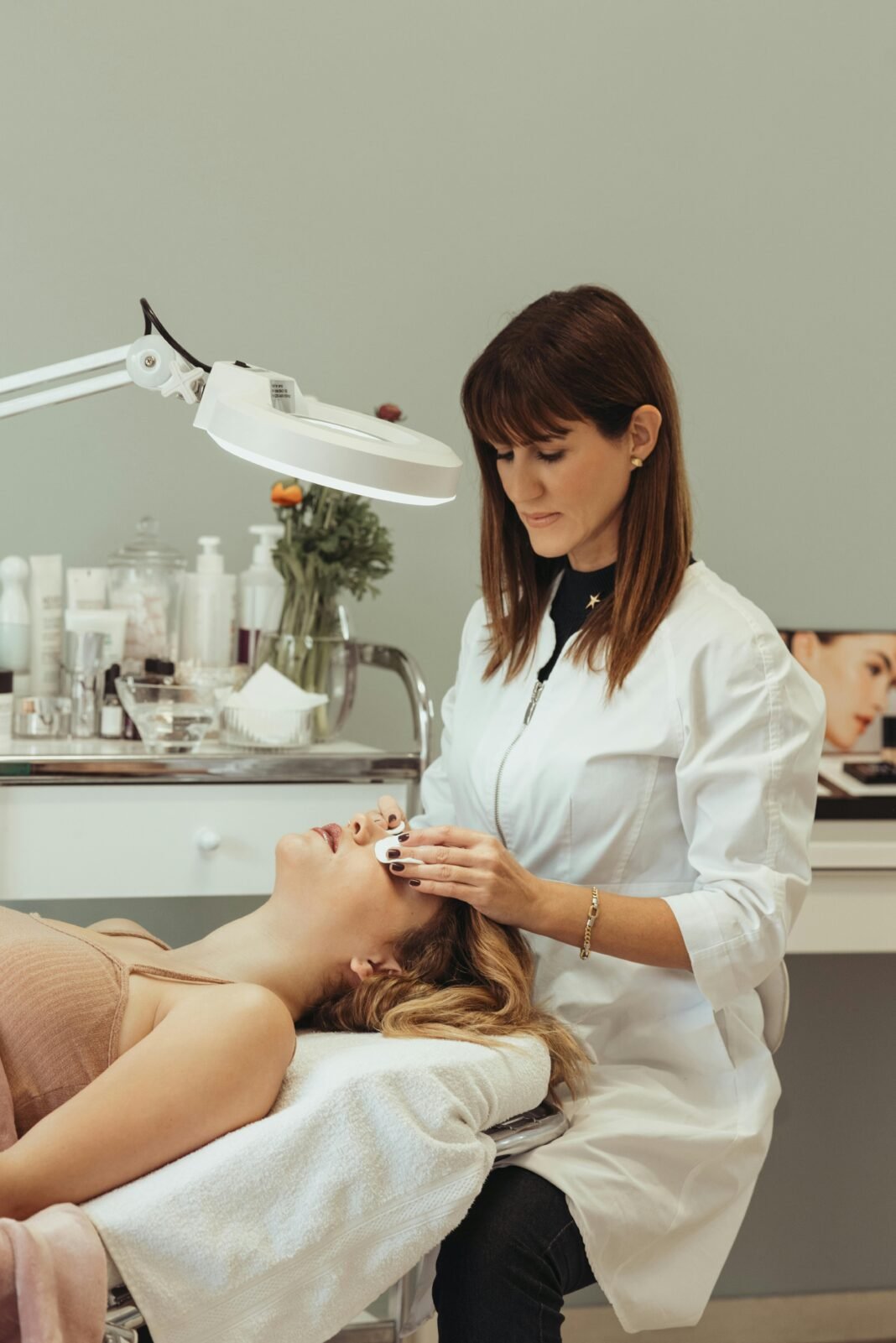
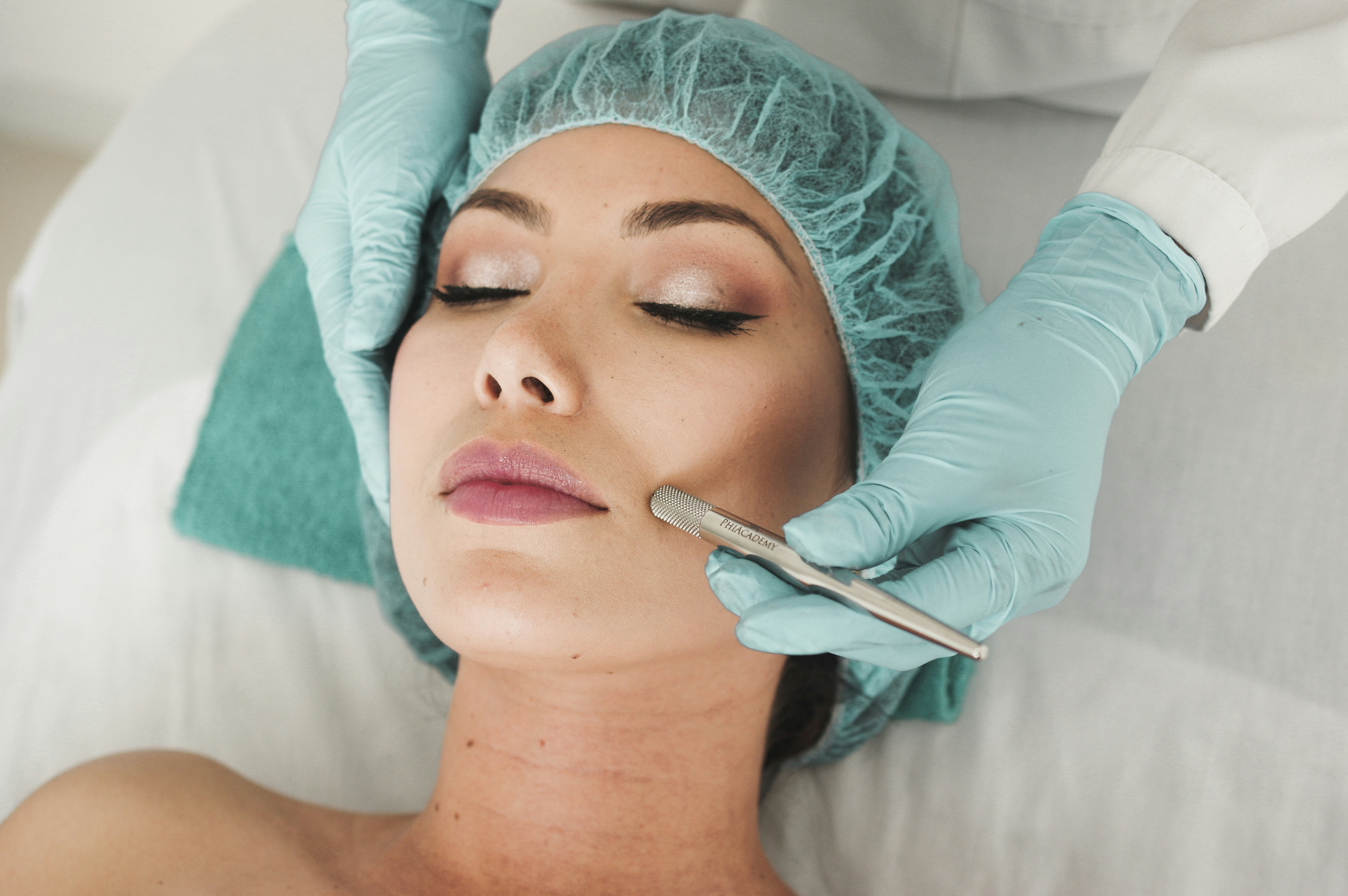
The procedure generally begins with the application of a topical anesthetic to minimize discomfort during treatment. The practitioner then uses a microneedling pen or roller to create thousands of microscopic punctures in the targeted areas of the skin. These targeted areas can include the face, neck, and other parts of the body where skin concerns, such as wrinkles, scars, and stretch marks, are prevalent. The treatment can be customized based on the patient’s specific skin needs and desired outcomes, making it suitable for various skin types and conditions.
The versatility of microneedling extends to its application in treating a range of skin issues, including acne scars, enlarged pores, and signs of aging. Furthermore, microneedling is often paired with topical serums or growth factors to enhance the results. As these micro-channels heal, the nourishment from the applied products penetrates deeply into the skin, maximizing their effectiveness.
Overall, microneedling serves as a powerful tool in the realm of aesthetic treatments. Understanding the procedure’s mechanism, the tools employed, and its typical treatment areas is crucial for anyone considering this innovative skin rejuvenation option. This foundational knowledge paves the way for evaluating its potential benefits and risks more comprehensively.
The Science Behind Microneedling
Microneedling, often referred to as collagen induction therapy, operates on the premise that controlled micro-injuries to the skin can initiate the body’s natural healing processes. This technique involves the use of fine needles to create tiny punctures in the epidermis and dermis layers of the skin, which triggers a cascade of biological responses aimed at repairing the affected area. When the skin experiences these micro-injuries, it naturally responds by stimulating the production of collagen and elastin, two vital proteins that contribute significantly to skin elasticity and structure.
Collagen production is particularly crucial, as this protein diminishes with age and external factors, leading to signs of aging such as fine lines, wrinkles, and sagging skin. By inducing a controlled trauma through microneedling, practitioners encourage the skin to enter a healing phase where fibroblasts, the cells responsible for collagen synthesis, become more active. Research shows that following a microneedling procedure, collagen remodeling can occur, leading to visibly smoother and firmer skin over time.
Furthermore, microneedling enhances the permeability of the skin, allowing for better absorption of topical serums and treatments. This is particularly beneficial when combined with growth factors, hyaluronic acid, and other rejuvenating compounds that can further promote skin health. As the skin heals, it undergoes a process of regeneration, resulting in more youthful and radiant skin. The integration of microneedling into skincare routines can, therefore, yield significant results over time, supported by the biological mechanisms that underpin its effectiveness. Understanding these scientific principles helps elucidate why microneedling has gained popularity as a non-invasive solution for various skin concerns.
Key Benefits of Microneedling
Microneedling, a minimally invasive procedure, offers several promising benefits for individuals seeking to enhance their skin’s appearance and overall quality. One of the primary advantages of microneedling is its ability to improve skin texture. By creating controlled micro-injuries in the skin, the procedure stimulates the body’s natural healing process, leading to increased collagen production. Collagen is a crucial protein that contributes to skin elasticity and integrity, thereby resulting in a smoother and more refined skin texture.
Moreover, microneedling is effective in reducing fine lines and wrinkles. As the skin ages, the production of collagen and elastin diminishes, leading to visible signs of aging. This procedure promotes a rejuvenating effect by encouraging the body to produce new collagen, which can diminish the appearance of fine lines, offering a more youthful look. Research has shown that patients often notice significant improvements in skin elasticity and a reduction in the depth of wrinkles following treatment.
Another notable benefit of microneedling is its capacity to minimize scars, particularly acne scars. The treatment encourages cellular turnover and helps break down the fibrous tissue associated with scarring, allowing for smoother skin. Studies have indicated that individuals undergoing microneedling for scar reduction often report marked improvements in the texture and visibility of their scars over time.
Additionally, microneedling enhances overall skin tone. The procedure can help in the reduction of hyperpigmentation and uneven skin tone by promoting a more uniform distribution of melanin. By revitalizing the skin and promoting healing, microneedling aids in achieving a brighter and more radiant complexion.
In summary, the key benefits of microneedling encompass improvements in skin texture, reductions in fine lines and scars, and enhancements in overall skin tone. These factors contribute to its growing popularity as an effective treatment for various skin concerns.
Microneedling for Different Skin Concerns
Microneedling, also known as collagen induction therapy, has emerged as a popular treatment across various skincare concerns, catering to a diverse range of skin issues. This minimally invasive procedure employs fine needles to create micro-injuries in the skin, stimulating the body’s natural healing processes. Among its many applications, microneedling has shown efficacy in addressing acne scars, which are often difficult to treat through conventional methods. The treatment promotes collagen production, helping to diminish the appearance of scars and restore skin texture.
In addition to acne scars, microneedling is beneficial for reducing stretch marks, which can occur during significant fluctuations in weight or pregnancy. By encouraging skin regeneration and elasticity, microneedling can improve the appearance of these marks over time. Furthermore, individuals with enlarged pores have also reported positive results from this procedure, as microneedling enhances skin tightness and minimizes the visibility of pores, leading to a more refined complexion.
Another significant skin issue that microneedling effectively addresses is the signs of aging. As we age, the skin naturally loses collagen and elasticity, leading to wrinkles and sagging. Microneedling can rejuvenate the skin by encouraging the production of new collagen, improving overall skin texture and firmness. Importantly, this treatment is adaptable to different skin types and conditions. For individuals with sensitive skin or specific concerns, practitioners can adjust needle depth and technique to cater to individual needs, ensuring a tailored approach for each patient.
Overall, microneedling’s versatility in treating various skin concerns makes it a valuable addition to modern aesthetic treatments, providing noticeable improvements in the skin’s appearance and texture for many individuals.
Potential Risks and Side Effects
Microneedling, while generally regarded as a safe and effective cosmetic procedure, carries certain risks and potential side effects that should be acknowledged and understood. The primary goal of this treatment is to stimulate collagen production and improve skin texture, but complications can arise if not performed correctly or if aftercare guidelines are not followed.
Common side effects include temporary redness and swelling at the treated sites, resembling mild sunburn. This reaction typically subsides within a few hours to a couple of days, making it a relatively minor concern for most individuals. Patients may also experience slight bruising or pinpoint bleeding immediately after the procedure due to the micro-injuries inflicted by the needles. However, these symptoms are generally transient and should resolve quickly.
More serious complications, though rare, can occur, particularly when the microneedling is conducted by an unqualified practitioner. Potential risks include infection, scarring, or hyperpigmentation, particularly in individuals with darker skin tones. Allergic reactions to topical anesthetics or serums used during the treatment may also emerge. Such adverse outcomes can be exacerbated if proper sterilization techniques are not employed, underscoring the importance of choosing a certified and experienced dermatologist or aesthetician to carry out the procedure.
Before undergoing microneedling, it is crucial to consult with a qualified practitioner who can evaluate your skin type and medical history to minimize inherent risks. Adequate pre- and post-treatment care, combined with professional expertise, can help ensure a safer experience while maximizing the treatment’s benefits. Awareness of these potential risks and side effects is essential for anyone considering microneedling, helping them make informed decisions regarding their skin health and cosmetic goals.
Who Should Consider Microneedling
Microneedling, also known as collagen induction therapy, is a cosmetic procedure that offers various benefits for the skin, making it an appealing option for many individuals. However, not everyone is an ideal candidate for this treatment. Understanding who might benefit the most and identifying possible contraindications is crucial for making an informed decision.
Individuals experiencing issues such as acne scars, fine lines, wrinkles, enlarged pores, or uneven skin texture may find significant improvements through microneedling. Furthermore, those seeking to enhance the overall appearance and health of their skin can also experience positive outcomes. Microneedling works by stimulating collagen production, which helps in rejuvenating the skin and can lead to a more youthful appearance.
On the other hand, certain conditions may render individuals unsuitable for microneedling. For instance, individuals with active skin infections, eczema, or severe psoriasis should avoid this treatment, as it can exacerbate these conditions. Similarly, those with a history of keloid formation or severe allergies to metals may also experience complications. Additionally, individuals using blood-thinning medications or having health conditions such as diabetes or autoimmune disorders should consult their healthcare provider prior to considering microneedling to discuss possible risks and contraindications.
Pregnant or nursing women are typically advised to postpone this treatment due to the lack of research on its effects during these critical stages. Before undergoing microneedling, it is essential for prospective patients to have a thorough consultation with a qualified practitioner. This discussion should cover their skin type, health history, and specific aesthetic goals to ensure a safe and effective treatment process. By evaluating these factors carefully, individuals can determine their suitability for microneedling, leading to optimal results.
Preparing for a Microneedling Session
Preparing for a microneedling session is crucial in ensuring optimal results and minimizing potential risks associated with this procedure. Prior to the appointment, it is highly recommended to consult with your practitioner to discuss any pre-existing skin conditions or concerns, as well as your overall skincare routine. Providing comprehensive information will allow the practitioner to tailor the treatment to your specific needs.
In the weeks leading up to the session, it is advisable to avoid certain activities and products. For instance, refrain from using retinoids, glycolic acids, and any other exfoliating agents for at least five days prior to treatment. These products can result in increased skin sensitivity, potentially complicating the microneedling process. Moreover, sun exposure should be limited; wearing a high-SPF sunscreen and avoiding excessive tanning will help protect the skin, making it more suitable for the procedure.
Staying hydrated is another key aspect of preparation. Drinking sufficient water in the days prior can enhance skin’s hydration levels, thus promoting better healing post-procedure. Additionally, it is beneficial to maintain a healthy diet rich in vitamins and minerals that support skin health.
On the day of the appointment, arrive with clean skin, free of makeup, lotions, and other products. This helps the practitioner work more effectively and reduces the risk of complications. It is also important to inform the practitioner about any medications or supplements taken, particularly blood thinners, as these may affect the treatment. Lastly, consider having realistic expectations regarding the results; microneedling often requires multiple sessions for optimal outcomes, and informed discussions with your practitioner will ensure the best treatment experience.
Post-Treatment Care and Recovery
Post-treatment care following a microneedling session is crucial for maximizing results and ensuring the health of the skin. After the procedure, the skin may exhibit redness, sensitivity, and slight swelling, which is a natural response to the micro-injuries caused by the needles. To promote healing and maintain the benefits of microneedling, specific aftercare protocols should be followed.
One of the most vital aspects of post-treatment care is maintaining proper hydration of the skin. A gentle, hydrating moisturizer should be applied to soothe the skin and aid its recovery. Products containing hyaluronic acid are particularly beneficial as they draw moisture into the skin. It is essential to keep the skin moisturized regularly, especially in the first few days following the procedure.
In addition to moisturizing, avoiding direct sun exposure is critical in the recovery phase. Sunlight can irritate the skin and lead to pigmentation issues, particularly in the days immediately following microneedling. It is advisable to wear a broad-spectrum sunscreen with an SPF of at least 30 when going outside, even on cloudy days. Furthermore, protective clothing and hats can provide additional coverage, minimizing sun-related risks.
It is also important to avoid using harsh skincare products, such as exfoliants or retinoids, for at least a week after the procedure. These can aggravate the skin and hinder the healing process. Instead, opt for gentle, non-irritating formulas that promote healing. Additionally, refrain from strenuous exercise or activities that cause excessive sweating for a few days, as this can exacerbate inflammation.
Following these guidelines will facilitate a smoother recovery process and ensure that the skin receives the full benefits of microneedling, resulting in improved texture, tone, and overall complexion.
Conclusion: Weighing Benefits Against Risks
Microneedling has emerged as a popular cosmetic treatment, celebrated for its ability to rejuvenate the skin, improve texture, and stimulate collagen production. This non-invasive procedure has garnered attention due to its potential benefits, including the reduction of fine lines, acne scars, and overall skin laxity. Many individuals seek microneedling as a solution for their skin concerns, drawn by success stories and the promise of a more youthful appearance. However, it is crucial to recognize that, like any medical treatment, microneedling also comes with risks that must be thoroughly evaluated.
When weighing the benefits against the risks of microneedling, potential candidates should consider their individual skin type, medical history, and specific skin goals. Common side effects include post-treatment redness, swelling, and possible irritation, which could vary in intensity from person to person. Additionally, factors such as improper technique or unsterilized equipment can lead to adverse outcomes such as infections or scarring. Therefore, ensuring that the procedure is performed by a qualified professional in a controlled environment is of utmost importance.
Ultimately, the decision to proceed with microneedling should be informed by careful consideration of both its advantages and the associated risks. Individuals should engage in thoughtful discussions with dermatologists or skin care professionals to better understand how this treatment aligns with their personal health and skincare objectives. By weighing these factors judiciously, readers can make a well-informed choice regarding microneedling, helping them achieve their desired skin improvements while minimizing potential drawbacks.