


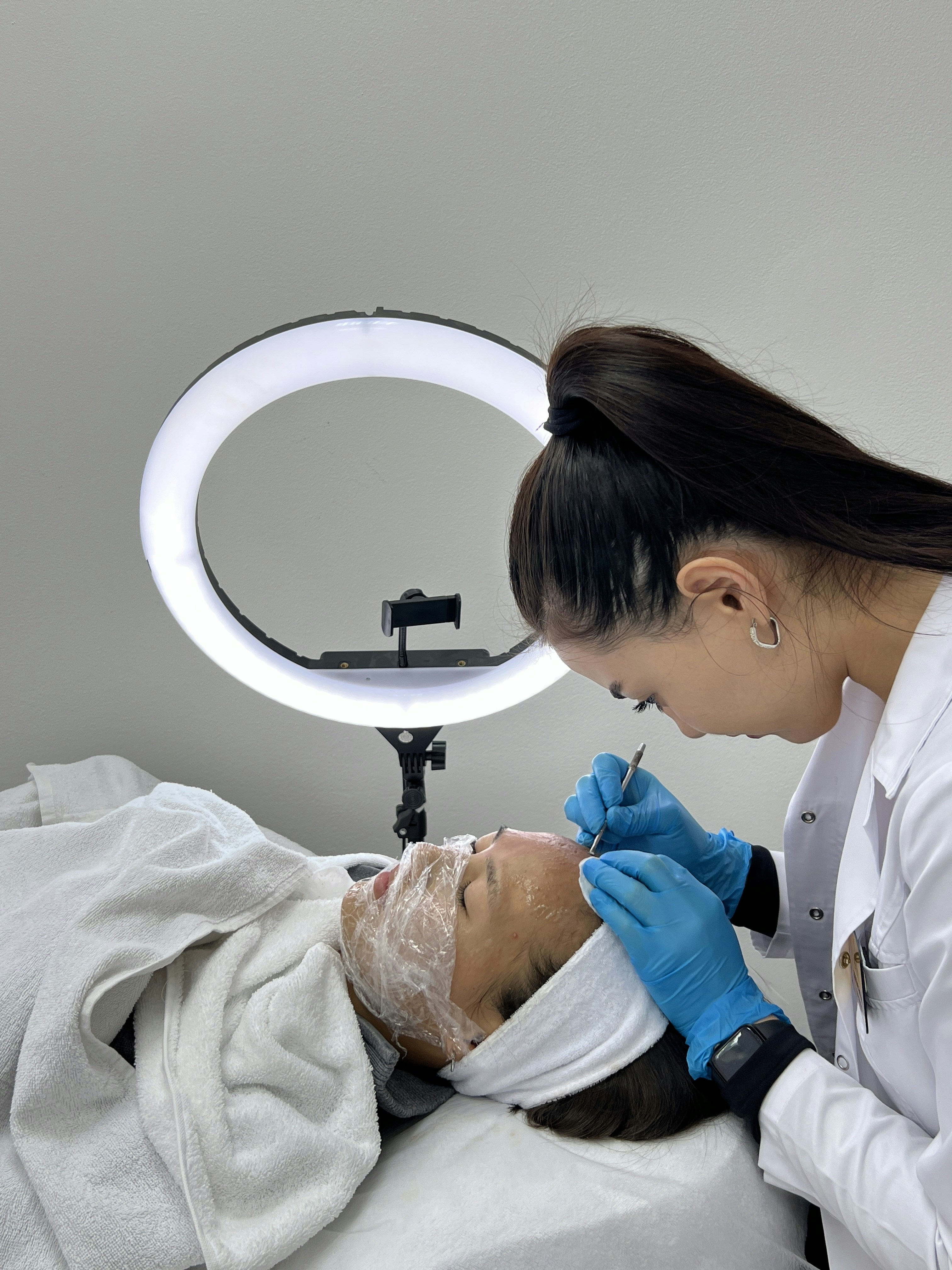
Introduction to Skin Resurfacing Treatments
Skin resurfacing treatments have gained significant traction in the field of cosmetic dermatology, offering solutions for various skin imperfections and promoting a more youthful appearance. These procedures aim to remove the outermost layer of skin, encouraging the growth of new, healthier skin. Individuals seeking improvement in skin texture, tone, and firmness often turn to these treatments to address common concerns, such as acne scars, fine lines, sun damage, and uneven pigmentation.
Among the numerous techniques available, microdermabrasion and dermabrasion stand out as two popular options. Microdermabrasion involves a non-invasive method that uses tiny exfoliating crystals to gently buff away dead skin cells from the skin’s surface. This technique typically requires minimal downtime and is suitable for individuals with mild skin issues. It works effectively to improve the overall texture and appearance of the skin, making it a prominent choice for those seeking gradual rejuvenation.
On the other hand, dermabrasion is a more intensive procedure that involves a tool to exfoliate the skin more deeply. It is often performed under local anesthesia and is recommended for individuals with more severe skin concerns, such as deep scars or wrinkles. Dermabrasion removes several layers of skin, making it a more aggressive treatment. As a result, the recovery period tends to be longer, but the results can be more significant for individuals struggling with pronounced skin irregularities.
Ultimately, both microdermabrasion and dermabrasion serve the critical purpose of enhancing skin appearance and texture. By removing damaged layers and stimulating new skin growth, these resurfacing techniques offer participants the opportunity to achieve a refreshed, revitalized look. Understanding the differences between these approaches is essential for individuals considering which option aligns best with their skincare goals.
What is Microdermabrasion?
Microdermabrasion is a minimally invasive cosmetic procedure that aims to improve skin texture and appearance by gently exfoliating the outermost layers of the skin. This technique involves the use of specialized equipment, which can be either a diamond-tipped wand or a device that sprays fine crystals onto the skin. The choice of equipment largely determines the approach and effectiveness of the treatment, with both methods offering distinct advantages.
During a microdermabrasion session, the device simultaneously exfoliates the skin and vacuums away the dead skin cells, promoting renewed skin growth. The procedure is well-regarded for its ability to address various skin concerns, including fine lines, minor acne scars, and uneven skin tone. Due to its non-invasive nature, patients do not experience the significant downtime associated with more invasive procedures, such as dermabrasion.
Microdermabrasion is exceptionally versatile, making it suitable for a wide range of skin types and tones. Patients often report a smooth and radiant complexion immediately following the treatment. Furthermore, since microdermabrasion does not require anesthesia and involves minimal discomfort, it has become a popular choice for individuals seeking cosmetic enhancement without the risks associated with surgical procedures.
The key difference between microdermabrasion and dermabrasion lies in the depth of treatment. While microdermabrasion focuses on the outer layer of skin, dermabrasion penetrates deeper into the dermis and is typically performed under anesthesia. This distinction highlights microdermabrasion’s appeal for those looking for a gentler yet effective solution to skin rejuvenation. By promoting effective skin turnover and improved collagen production, microdermabrasion presents a safe and efficient treatment option for maintaining skin health and vitality.
What is Dermabrasion?
Dermabrasion is a surgical procedure designed to exfoliate the outer layers of the skin using specialized tools. Unlike microdermabrasion, which is a more superficial treatment, dermabrasion penetrates deeper into the epidermis, leading to more significant skin resurfacing. The techniques employed in dermabrasion often involve motorized brushes or diamond-tipped wheels, both of which effectively slough away damaged skin. These tools are engineered to remove the upper layers of skin cells, promoting the growth of newer skin beneath.
One of the defining characteristics of dermabrasion is its intensity. This procedure is usually performed under local anesthesia, and in some cases, sedation may be utilized to enhance patient comfort. The depth of the skin removal can be tailored according to individual needs, making it suitable for addressing more severe skin issues such as acne scarring, deep wrinkles, or uneven skin texture. As a result, it is often regarded as a more aggressive method compared to microdermabrasion, which primarily addresses surface-level concerns.
Patients undergoing dermabrasion can expect a recovery period during which the skin may appear red and swollen as it heals. Post-procedure care is crucial, especially considering the deeper exfoliation achieved through this technique. This may involve the use of specialized ointments to aid healing and minimize the risk of infection. Overall, dermabrasion provides a robust solution for serious skin imperfections, offering transformative results for those seeking significant skin rejuvenation. Through the removal of damaged skin layers, dermabrasion reveals healthier, more vibrant skin underneath, making it an appealing option for individuals with challenging skin conditions.
Key Differences: Invading vs. Non-Invasive
Microdermabrasion and dermabrasion are two distinct skin resurfacing procedures, each with its unique characteristics, benefits, and recovery requirements. Understanding the level of invasiveness associated with these treatments is essential for anyone considering them as an option for improving skin appearance.
Microdermabrasion is a non-invasive technique that utilizes a device to gently exfoliate the outermost layer of dead skin cells. This superficial approach typically involves minimal discomfort and has little to no downtime, making it an appealing choice for individuals with mild skin concerns such as uneven texture, minor pigmentation issues, or fine lines. The gentle abrasiveness allows for safety across various skin types, ensuring candidates can often resume their daily activities almost immediately after treatment.
In contrast, dermabrasion is a more invasive procedure that involves the surgical removal of deeper layers of skin. This technique is often employed to address more severe skin issues, including deep acne scars, significant sun damage, or pronounced wrinkles. Because dermabrasion penetrates deeper into the skin, it necessitates a longer recovery time, which may include swelling, redness, and the formation of new skin. Those considering dermabrasion must be prepared for a more substantial, albeit effective, approach to skin rejuvenation and may need to schedule time off from work or social activities to accommodate for healing.
Both treatments have their ideal candidates based on the severity of skin issues. While microdermabrasion is suitable for individuals seeking a subtle enhancement, dermabrasion offers more profound results suitable for those with pronounced concerns. Ultimately, consulting a licensed professional can help determine which treatment is the most appropriate for individual needs and desired outcomes, ensuring the best possible results.
Potential Risks and Side Effects
Both microdermabrasion and dermabrasion are popular skin resurfacing procedures, but they come with distinct risks and side effects that should be carefully considered. Microdermabrasion, often regarded as a milder treatment, typically has fewer side effects. Patients may experience minor redness, slight swelling, or temporary sensitivity in the days following the procedure. Additionally, the skin may peel or flake as it rejuvenates, but these symptoms generally subside quickly. However, individuals with particularly sensitive skin may experience more noticeable reactions, and it is advisable to discuss any skin conditions with a professional prior to treatment.
In contrast, dermabrasion is a more intensive procedure that penetrates deeper layers of the skin, leading to a higher likelihood of side effects. Common issues include swelling, redness, and scabbing at the treatment site. Dermabrasion can also lead to more serious complications if not performed by a qualified professional. These complications include infection, prolonged healing time, or scarring. With deeper skin removal, there is a higher risk of changes in pigmentation, particularly in those with darker skin tones. Therefore, it is crucial for individuals to be evaluated by a skilled dermatologist who can provide insight on suitability for the procedure and necessary precautions.
Patients should also consider the recovery timeline associated with each treatment. While microdermabrasion allows for a quick return to daily activities, dermabrasion may necessitate several days of downtime to ensure proper healing. This difference highlights the importance of consulting with a qualified professional to determine which treatment aligns best with one’s skin type, aesthetic goals, and lifestyle. Understanding these potential risks and side effects is essential in making informed decisions regarding skin treatments.
Aftercare for Microdermabrasion
Post-treatment care following microdermabrasion is crucial to ensure optimal recovery and results. Since this procedure is less invasive than dermabrasion, the aftercare is relatively straightforward. Initially, it is essential to keep the treated area well-hydrated. Using a gentle, non-comedogenic moisturizer can help maintain skin moisture without clogging pores. Hydration plays a significant role in soothing any post-treatment redness or sensitivity.
Additionally, sun protection is imperative. The skin may be more susceptible to sun damage following microdermabrasion, so applying a broad-spectrum sunscreen with at least SPF 30 is recommended. This should be done even on cloudy days. A physical sunscreen containing zinc oxide or titanium dioxide is often preferred for sensitive skin. It is advisable to avoid direct sun exposure for a few weeks following the treatment to prevent pigmentation issues.
In the week following microdermabrasion, patients should also refrain from using harsh exfoliants, retinoids, or products containing alpha-hydroxy acids (AHAs) and beta-hydroxy acids (BHAs). These ingredients can irritate freshly treated skin and hinder the healing process. Instead, opt for gentle cleansers and soothing serums. Makeup can typically be applied after 24 hours, but it is advisable to use mineral-based cosmetics to reduce irritation.
Aftercare for Dermabrasion
In contrast, the aftercare for dermabrasion is more intensive due to the deeper nature of the procedure. Patients may experience swelling, redness, and even scabbing as part of the healing process. It is essential to keep the area clean and moisturized to avoid infections and facilitate proper healing. Using a sterile saline solution can help cleanse the treated skin effectively, while an appropriate antibiotic ointment may be recommended by the practitioner’s guidelines.
Just like with microdermabrasion, sun protection is critical following dermabrasion, but extra care is required. Patients should wear a high SPF sunscreen and seek shade, as the skin will be particularly vulnerable for several weeks. Protective clothing and wide-brimmed hats can also offer additional protection. Moreover, avoiding aggressive skin care routines is necessary during the recovery period.
Patients should not use products containing irritants like alcohol, fragrances, or exfoliating agents during the healing phase. Instead, they can opt for richer emollients designed for sensitive skin, which will help to soothe and repair. It is advisable to follow the practitioner’s recommendations closely to ensure successful healing and aesthetic outcomes.
Effectiveness of Microdermabrasion and Dermabrasion
When considering the effectiveness of microdermabrasion and dermabrasion, it is essential to examine their impact on various skin concerns, including acne scarring, hyperpigmentation, and sun damage. Both treatments have shown significant results, but their mechanisms and suitability may differ among patients.
Microdermabrasion is generally regarded as a less invasive procedure, making it a popular choice for individuals with mild skin issues. It involves the use of fine crystals or diamond-tipped devices to exfoliate the outer layer of skin, promoting cell turnover and revealing a fresher complexion. Clinical studies have demonstrated its effectiveness in treating superficial skin imperfections, such as light hyperpigmentation and slight textural irregularities. Testimonials from patients indicate that those with recent acne scarring often experience positive outcomes after a series of microdermabrasion sessions. Notably, many report an overall improvement in skin tone and texture, providing a rejuvenated appearance without extended recovery time.
On the other hand, dermabrasion is a more intensive procedure that targets deeper skin layers. It is especially beneficial for individuals with significant acne scarring, deep wrinkles, or severe sun damage. This treatment involves the mechanical sanding of the skin, allowing for more profound rejuvenation. For those with advanced skin concerns, clinical evaluations have shown dermabrasion to be highly effective. Patients often report remarkable improvements, particularly those undergoing recovery from extensive sun damage, who see a reduction in skin irregularities and a more uniform complexion. However, the recovery process may take longer than with microdermabrasion, underlining the necessity of considering individual skin types and concerns when choosing between the two options.
In conclusion, both microdermabrasion and dermabrasion hold their merits depending on the severity of the skin issue. While microdermabrasion provides a gentler approach suitable for minor blemishes, dermabrasion offers a powerful solution for more substantial skin concerns. Prospective patients should consult with a qualified dermatologist to determine the ideal treatment tailored to their specific needs.
Cost Comparison of Microdermabrasion and Dermabrasion
When considering skin resurfacing treatments, understanding the financial implications of microdermabrasion and dermabrasion is crucial. The costs associated with these procedures can vary significantly due to factors such as treatment frequency, the expertise of the practitioner, and the location of the clinic. Typical price ranges for microdermabrasion generally range from $75 to $200 per session. Most patients benefit from a series of sessions, often recommended as six to twelve treatments, depending on the specific skin concerns being addressed. This results in a total investment that can vary from approximately $450 to $2400.
In contrast, dermabrasion is a more intensive procedure usually performed by a board-certified dermatologist. The costs for dermabrasion typically range from $1000 to $4000 for a single session. The higher price tag reflects the depth of the treatment and the expertise required to perform it safely. Patients may require only one or two sessions for optimal results, as dermabrasion can provide more dramatic changes in skin texture and tone. However, additional costs might be incurred for follow-up appointments or necessary post-procedure care.
Insurance coverage also plays a pivotal role in the overall expense. While microdermabrasion is often considered a cosmetic procedure and is unlikely to qualify for insurance reimbursement, some plans may cover dermabrasion if it is deemed medically necessary, such as for treatment of acne scars or deep wrinkles. Patients should verify their insurance policy details before making a decision. In evaluating the costs, it is essential to consider not just the price per session but also the anticipated number of treatments, the potential need for follow-up care, and insurance coverage possibilities. Understanding these cost factors allows individuals to make an informed choice between microdermabrasion and dermabrasion based on their financial situation and skin care goals.
Conclusion
In light of the information presented, it is essential to recognize the significant differences between microdermabrasion and dermabrasion, two popular skin resurfacing treatments with distinct applications and outcomes. Microdermabrasion is a less invasive procedure primarily aimed at exfoliating the outermost layer of skin, making it suitable for individuals seeking a gentle approach to improve skin texture and tone. This treatment is often recommended for those with mild skin concerns, such as superficial acne scars, fine lines, and minor sun damage. Its recovery period is notably shorter, allowing for minimal downtime, making it an attractive option for many.
Conversely, dermabrasion represents a more intensive method that penetrates deeper into the skin layers, catering to those with more severe skin issues, such as deep scars, significant sun damage, or uneven skin texture. The recovery from dermabrasion is longer and may involve more noticeable side effects, including redness and swelling. Therefore, individuals considering dermabrasion should weigh the pros and cons carefully and ensure they are prepared for the recovery process.
Ultimately, the choice between microdermabrasion and dermabrasion should be guided by individual skin concerns, treatment goals, and personal preferences. It is highly advisable for individuals to consult with qualified skincare professionals who can provide personalized recommendations based on a thorough assessment of their unique skin conditions and desired outcomes. Taking the time to engage in this dialogue will help ensure that the selected treatment aligns with the individual’s needs, promoting better results and overall satisfaction.