

Understanding Chemical Peels
Chemical peels are a popular dermatological procedure designed to improve the texture and appearance of the skin. By applying a chemical solution to the skin, practitioners can remove dead or damaged skin cells, allowing for a smoother, rejuvenated surface. This cosmetic treatment is primarily aimed at addressing a variety of skin concerns such as acne, hyperpigmentation, uneven skin tone, and fine lines. The process involves the stratification of the skin layers, as different chemical solutions penetrate to varying depths.
There are three main types of chemical peels: superficial, medium, and deep. Superficial peels are the most commonly performed and generally utilize mild acids such as alpha-hydroxy acids (AHAs). These peels target the outermost layer of the skin, effectively resulting in a refreshed appearance with minimal downtime. Patients can expect redness and mild peeling, but recovery is usually quick, making this option suitable for those seeking subtle improvements.
Medium peels employ stronger acids — often trichloroacetic acid (TCA) — which penetrate deeper into the skin. This type of peel is effective for treating more pronounced skin issues, including moderate wrinkles and sun damage. While the results are more noticeable and typically last longer than those achieved with superficial peels, patients may experience more significant peeling and discomfort, requiring a longer recovery period.
Deep chemical peels, often performed with phenol, target the deeper layers of skin to achieve substantial rejuvenation. This type of treatment is reserved for severe skin conditions, such as deep-set wrinkles and scarring. Although they offer dramatic results, deep peels necessitate careful consideration, as they involve extended downtime and the potential for side effects. Regardless of the peel type, understanding the specific characteristics and effects of each is crucial for anyone considering this skincare treatment.
Benefits of Chemical Peels
Chemical peels have been recognized for their significant advantages in skincare, offering a multitude of benefits to individuals seeking a rejuvenated appearance. Primarily, one of the most noticeable benefits of chemical peels is the improvement of skin texture. The procedure facilitates the removal of dead skin cells, promoting healthier and brighter skin. As a result, many patients report a smoother and more refined complexion following treatment.
Moreover, chemical peels can effectively reduce fine lines and wrinkles. When applied, the solution penetrates the outer layer of the skin, stimulating collagen production and encouraging skin renewal. This regenerative process not only enhances the skin’s appearance but also contributes to a more youthful look, making chemical peels an attractive option for those concerned about aging skin.
Another notable benefit of these treatments is their efficacy in addressing specific skin issues. For instance, individuals suffering from hyperpigmentation or uneven skin tones often find relief through chemical peels. The acidic solutions work to lighten dark patches and even out skin discoloration, thus improving overall skin consistency. Additionally, chemical peels are known to be a viable treatment option for acne and acne scars. By exfoliating the skin and unclogging pores, they help to reduce breakouts and promote clearer skin.
Real-life testimonials further highlight the transformative impact of chemical peels. For instance, many clients report visible improvements in their skin’s radiance and texture, often expressing satisfaction with the results. Such firsthand accounts emphasize the potential of chemical peels as a solution for diverse skin concerns, promoting a refreshed and revitalized appearance. With proper assessment and a tailored approach, chemical peels can be a valuable addition to any skincare regimen, offering a pathway to healthier skin.
Who is a Good Candidate for a Chemical Peel?
Chemical peels are increasingly popular rejuvenation treatments that effectively address various skin concerns. However, they are not suitable for everyone. Identifying the ideal candidate for a chemical peel is essential to ensure safety and maximize results. Generally, candidates are assessed based on skin type, concerns, and underlying conditions.
One critical factor in determining suitability is skin tone. Individuals with lighter skin typically experience fewer complications and better outcomes. However, advancements in chemical peel formulations have made it possible for darker-skinned individuals to undergo treatment. These candidates should consult with a qualified professional who specializes in skin of color to customize the peel and minimize risks.
Skin sensitivity also plays a crucial role in candidate evaluation. Those with excessively sensitive skin or conditions like rosacea may not be ideal candidates, as chemical peels can exacerbate irritation. It is important for potential candidates to provide their skincare history and discuss any previous reactions to topical treatments.
Additionally, pre-existing skin issues, such as acne, eczema, or psoriasis, warrant careful consideration. While chemical peels can help treat acne and improve overall skin texture, patients with active skin conditions should seek medical advice to determine the appropriate timing and treatment plan. It may be recommended to stabilize any underlying issues before proceeding with a peel.
Age is another consideration; while adult individuals of any age may benefit from a chemical peel, teenagers with hormonal acne could also be good candidates, provided they are under medical supervision. Ultimately, a thorough consultation with a qualified dermatologist is necessary to assess individual circumstances and determine if a chemical peel aligns with specific skin goals.
Preparing for Your Chemical Peel
Preparing for a chemical peel is an essential step in ensuring the procedure’s success and achieving optimal results. The effectiveness of a chemical peel can be greatly influenced by the skin’s condition and the preparations taken beforehand. This guide outlines the necessary steps to take prior to undergoing this skin-care treatment.
One of the first considerations is to consult with a qualified dermatologist or skin care practitioner. A thorough consultation allows for a customized approach to the chemical peel process, ensuring that the strength and type of peel are appropriate for your skin type and desired outcomes. This professional guidance is invaluable, especially for individuals with specific skin concerns, such as acne, uneven skin tone, or signs of aging.
In addition to professional guidance, it is crucial to avoid certain medications and skin care products leading up to your chemical peel. For instance, retinoids and exfoliating agents should typically be discontinued at least a week prior to the procedure, as they can increase skin sensitivity and the risk of adverse reactions. Moreover, it is advisable to refrain from using harsh scrubs or products containing alpha hydroxy acids shortly before treatment.
Another important aspect of preparation involves protecting the skin from sun exposure. Prolonged sun exposure can compromise the skin’s integrity, making it more susceptible to complications during and after the peel. It is recommended to avoid tanning and excessive sun exposure for about two weeks before the procedure, and using broad-spectrum sunscreen is advised to minimize UV damage.
By taking these preparatory steps, patients can significantly enhance the outcome of their chemical peel and ensure a safer, more effective treatment experience.
What to Expect During the Procedure
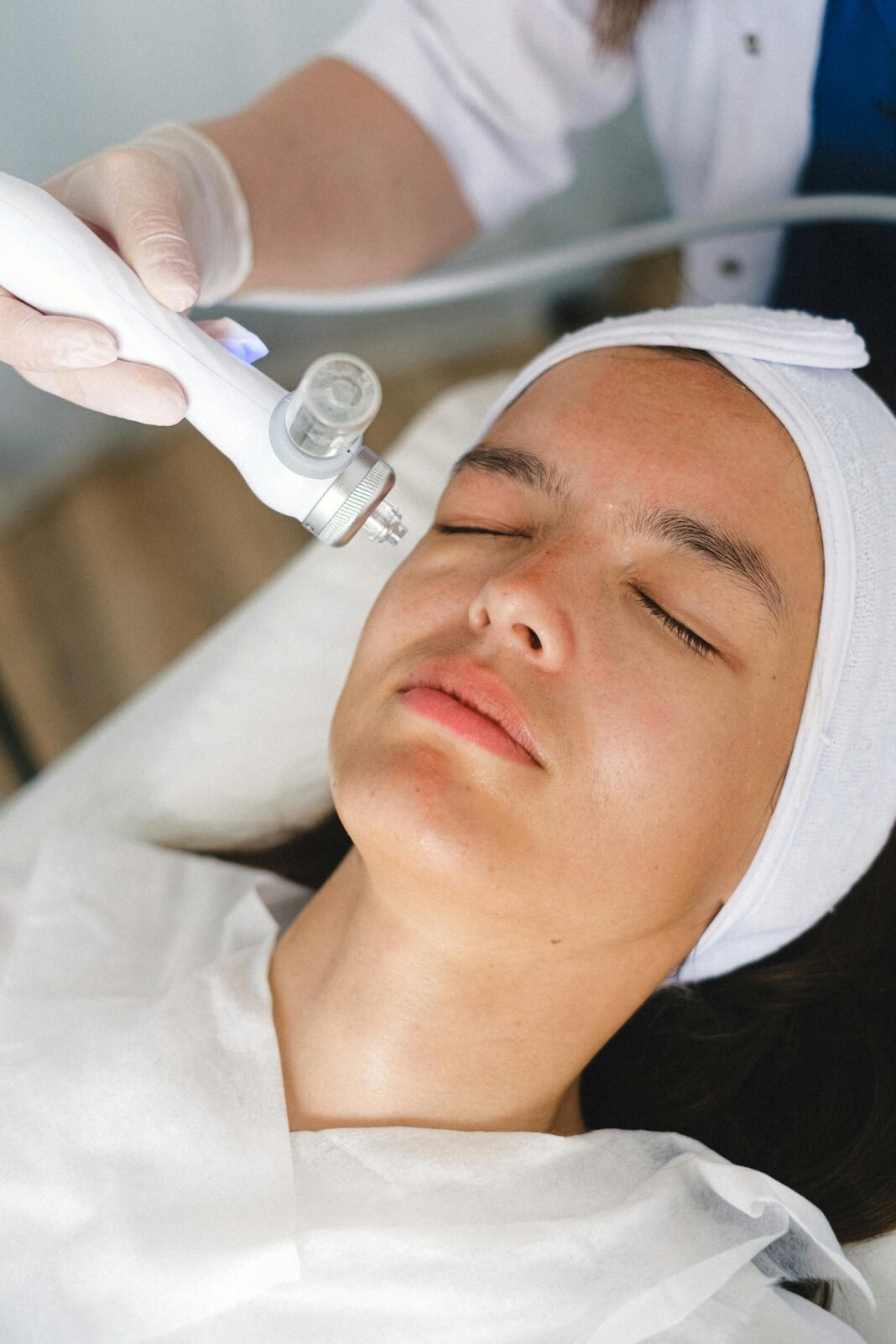
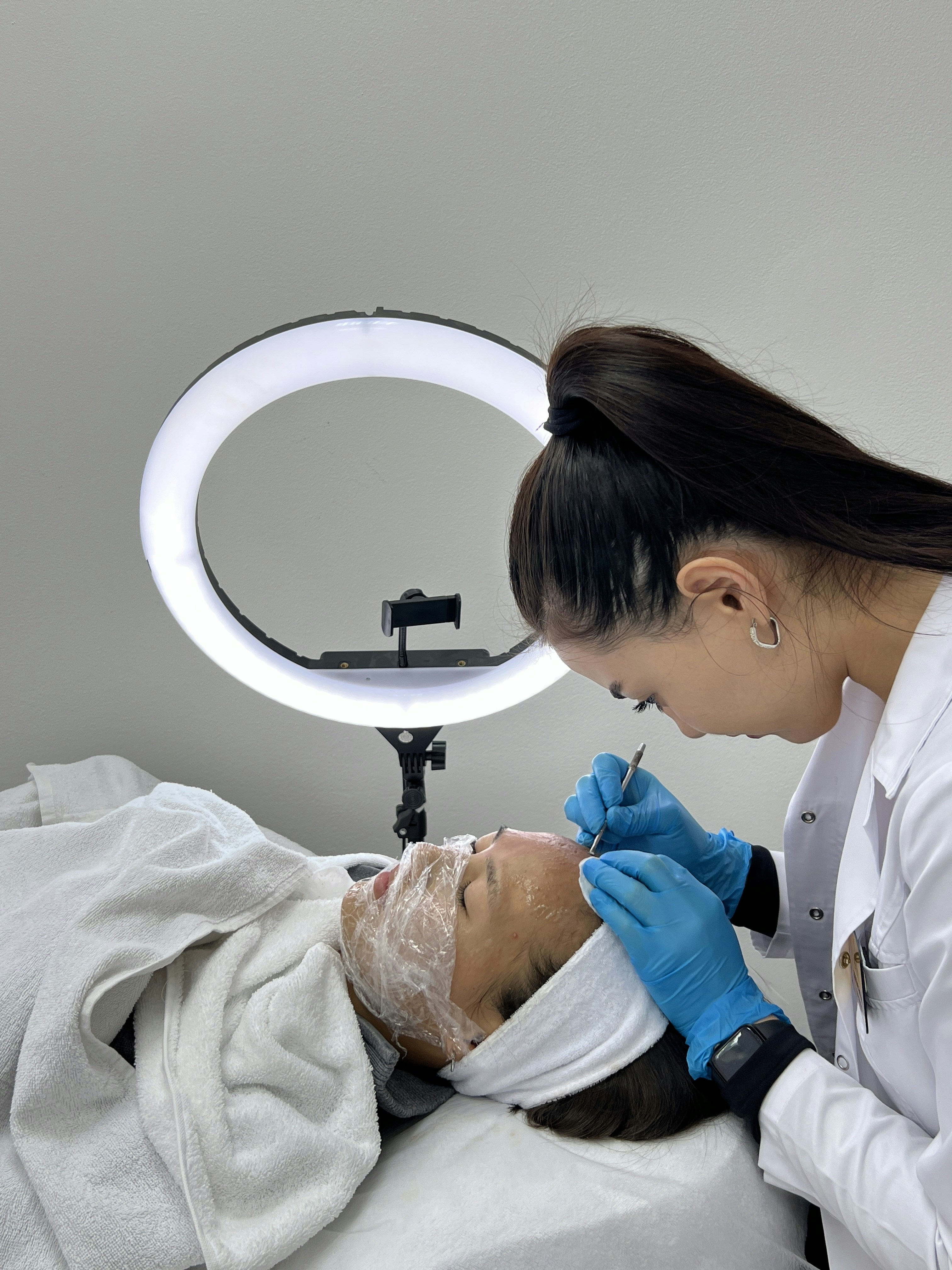
Scheduling a chemical peel typically involves visiting a licensed professional, either at a dermatologist’s office or a reputable medical spa. Upon arrival, you will be guided to a private treatment room designed specifically for aesthetic procedures. The setting is typically calm and well-organized, aiming to ensure a comfortable experience for the clients. Before the treatment begins, you will have a consultation to discuss your skin type, goals, and any concerns you may have.
The duration of a chemical peel can vary based on the type of peel and the extent of the treatment. Generally, the procedure lasts between 30 minutes to an hour. During this time, the professional will cleanse your skin thoroughly to remove any makeup and impurities. Once your skin is prepared, the chemical solution—often comprising alpha hydroxy acids (AHAs) or trichloroacetic acid (TCA)—will be applied. The strength of the solution and the specific materials used depend on your treatment goals.
After the application of the peel, clients may experience sensations such as mild stinging or a burning sensation, which typically lasts for a few minutes. The professional will monitor your reaction closely and may apply a fan or provide cooling measures to alleviate discomfort if necessary. Later stages of the peel will involve the removal of the solution, which may also be accompanied by a soothing neutralizing agent to help calm the skin after the treatment. It is essential to communicate any discomfort to the practitioner, as they can adjust the procedure accordingly.
Understanding the stages and expectations during the chemical peel process prepares clients mentally and physically, enabling a more relaxed and informed treatment experience. The progression from preparation to application and finally to soothing concludes the procedure effectively, setting the standard for post-treatment care.
Post-Peel Care and Recovery
After undergoing a chemical peel, proper post-procedure care is essential to ensure optimal healing and results. In the immediate aftermath of the treatment, patients may experience redness, swelling, and peeling, which are all normal reactions as the skin begins its recovery process. It is crucial to adhere to the aftercare regimen recommended by the skincare professional to promote healing and minimize the risk of complications.
One of the cornerstones of post-peel care is hydration. Keeping the skin moisturized is vital, as this helps to alleviate dryness and allows the skin to heal more effectively. It is advisable to apply a gentle, non-comedogenic moisturizer several times a day, focusing on areas that exhibit dryness or cracking. Additionally, patients should avoid the use of harsh or exfoliating products for a specified period, as these can exacerbate irritation and interfere with the healing process.
Sun protection is another critical component of post-peel care. After a chemical peel, the skin becomes more sensitive to UV radiation. Therefore, it is imperative to apply a broad-spectrum sunscreen with an SPF of at least 30 daily, even when the weather is overcast. This measure will help protect the newly treated skin from harmful rays and prevent pigmentation issues that could arise post-procedure.
During the recovery phase, avoiding certain activities is also necessary. Patients should refrain from strenuous exercise, saunas, and swimming pools for at least a week following the procedure, as these activities can irritate the skin and increase the risk of infection. It is essential to monitor the skin for any signs of complications, such as persistent swelling, excessive peeling, or unusual redness. If any of these symptoms occur, reaching out to a medical professional promptly is recommended to ensure proper guidance and care.
Common Side Effects and Risks
Chemical peels are widely regarded as effective cosmetic procedures for enhancing the skin’s appearance. However, it is crucial to acknowledge that, like any medical or cosmetic treatment, chemical peels may entail potential side effects. Most individuals experience mild, temporary effects, but acknowledging these possibilities is essential for informed decision-making.
One of the most common side effects following a chemical peel is redness. This reaction often resembles a sunburn and typically subsides within a few days. Alongside redness, patients may also experience peeling, which is a normal part of the skin’s rejuvenation process. The peeling can vary in intensity based on the type of peel—light, medium, or deep—and can lead to the shedding of dry, damaged skin, revealing a fresher layer underneath.
Another notable side effect that patients may encounter is skin irritation. This can manifest as itching, burning, or stinging sensations. While these feelings can be uncomfortable, they generally resolve without intervention. Occasionally, more serious complications may arise, though they are rare. These include hyperpigmentation or hypopigmentation, where the skin’s color changes unevenly, and in some severe cases, scarring can occur.
To minimize these risks, selecting a qualified and experienced professional is paramount. Credentialed dermatologists or licensed skincare specialists possess the expertise necessary to customize chemical peel treatments to individual skin types and conditions, thereby reducing the likelihood of adverse effects. Furthermore, pre- and post-treatment care is vital in ensuring optimal results and minimizing any potential complications.
How to Maintain Results After a Chemical Peel
Maintaining the results of a chemical peel requires a dedicated skincare regimen and lifestyle choices that support skin health. Following a chemical peel, the skin undergoes a renewal process that can be enhanced by appropriate aftercare. Firstly, it is vital to consistently use a gentle cleanser suitable for sensitive skin, as well as moisturizing products that do not irritate or strip the skin of its natural oils. Look for moisturizers that contain hyaluronic acid or ceramides, which can effectively lock in hydration and support the skin barrier.
Sun protection is another crucial aspect of maintaining chemical peel results. The skin can be particularly sensitive to UV rays post-peel, leading to potential damage or uneven pigmentation. It is recommended to apply a broad-spectrum sunscreen with an SPF of at least 30 daily, even on cloudy days. Reapplying sunscreen every two hours, especially during prolonged outdoor activities, is essential to prevent sunburn and preserve the benefits of the peel.
In addition to proper skincare products, lifestyle changes can further enhance the results of a chemical peel. Staying hydrated by drinking adequate amounts of water aids in skin elasticity and overall health. Incorporating a balanced diet rich in antioxidants—found in fruits, vegetables, nuts, and seeds—also supports skin recovery and vitality.
Regular follow-up treatments can complement a chemical peel’s effects. Consider scheduling maintenance peels or integrating other skin treatments, such as microdermabrasion or light therapy, at advised intervals. These procedures can extend the visible benefits achieved from the initial peel while promoting continued skin improvement.
By adopting these practices, individuals can successfully maintain and enhance the results of their chemical peel, fostering a healthier and more radiant complexion over time.
Consultation and Choosing a Professional
When considering a chemical peel, selecting the right practitioner is crucial for achieving the desired results safely. The initial consultation serves as a vital opportunity to address any concerns and gather essential information about the procedure. During this visit, patients should come prepared with a list of relevant questions to ensure a comprehensive understanding of what a chemical peel entails. Inquiring about the practitioner’s qualifications, experience, and specific training in chemical peel techniques is fundamental. Licensed dermatologists or certified estheticians with extensive backgrounds in skin treatments are typically the best choices for this procedure.
It is also beneficial to ask about the types of chemical peels offered. Different peels, such as superficial, medium, or deep, cater to various skin concerns and types. Understanding which peel is suitable for one’s skin condition should be clarified during the consultation. Additionally, discussing prior experiences with chemical peels, including results and any potential complications, is essential to gauge the practitioner’s competence and reliability.
Evaluating the practitioner should also include checking their track record. Requesting before-and-after photos from previous patients can provide insight into their work quality. Furthermore, reading reviews or testimonials online can offer additional perspective on the practitioner’s expertise and patient satisfaction levels. It is important to feel at ease during the consultation, as a trustworthy provider will listen to concerns and clearly explain the process, including the expected recovery time and possible risks involved.
Conclusively, thorough research and careful evaluation of potential practitioners play a significant role in the success of a chemical peel procedure. A qualified expert will not only ensure optimal results but also prioritize the patient’s safety and satisfaction throughout the experience.